Cryptocurrency

Thailand Finalizes Rules for Bitcoin and Ether ETFs
Thailand’s Securities and Exchange Commission has finalized 11 regulations governing the launch of Bitcoin and Ether exchange-traded funds, establishing a formal framework that takes effect on October 16, 2026. The move allows local investors to gain exposure to digital assets through regulated securities without managing individual wallets.
BitGo Faces $141M Lawsuit Over Alleged Early Token Sales
Two companies affiliated with DWF Labs have initiated legal action against crypto custodian BitGo in London’s High Court, alleging the firm breached private sale agreements by liquidating restricted tokens ahead of schedule.

Binance Restricts Services in Brazil to Meet Central Bank Rules
Starting October 27, 2026, Binance will slash eight cryptocurrency services and delist 22 tokens for Brazilian users as the exchange transitions local operations to comply with new Central Bank of Brazil mandates. The move marks a significant shift in how the platform interacts with the country’s regulated financial landscape.

Netflix Sets November Premiere for FTX Drama The Altruists
“Lying isn’t bad for a good cause,” Julia Garner’s character declares in the newly released trailer for The Altruists. The eight-episode Netflix drama, arriving November 19, chronicles the rapid rise and catastrophic collapse of Sam Bankman-Fried and Caroline Ellison, the central figures behind the $8 billion FTX scandal.

JPMorgan Sees Crypto Inflows Hit $50 Billion as Momentum Shifts
Digital assets have drawn $50 billion in capital this year, as a rebound in exchange-traded funds and surging futures activity bolster market momentum entering the fourth quarter. Analysts at JPMorgan suggest the sector is shedding its reliance on corporate balance sheets, signaling broader participation from both retail and institutional players.

Circle Shares Dip as Jobless Claims and Market Volatility Weigh
Circle stock retreated to $80.19 during Thursday's session, slipping 0.80% as U.S. jobless claims fell below expectations and broader cryptocurrency markets faced a wave of liquidations. The decline leaves the issuer of USDC struggling to clear a key resistance level of $81 amid shifting macroeconomic signals and geopolitical tensions.
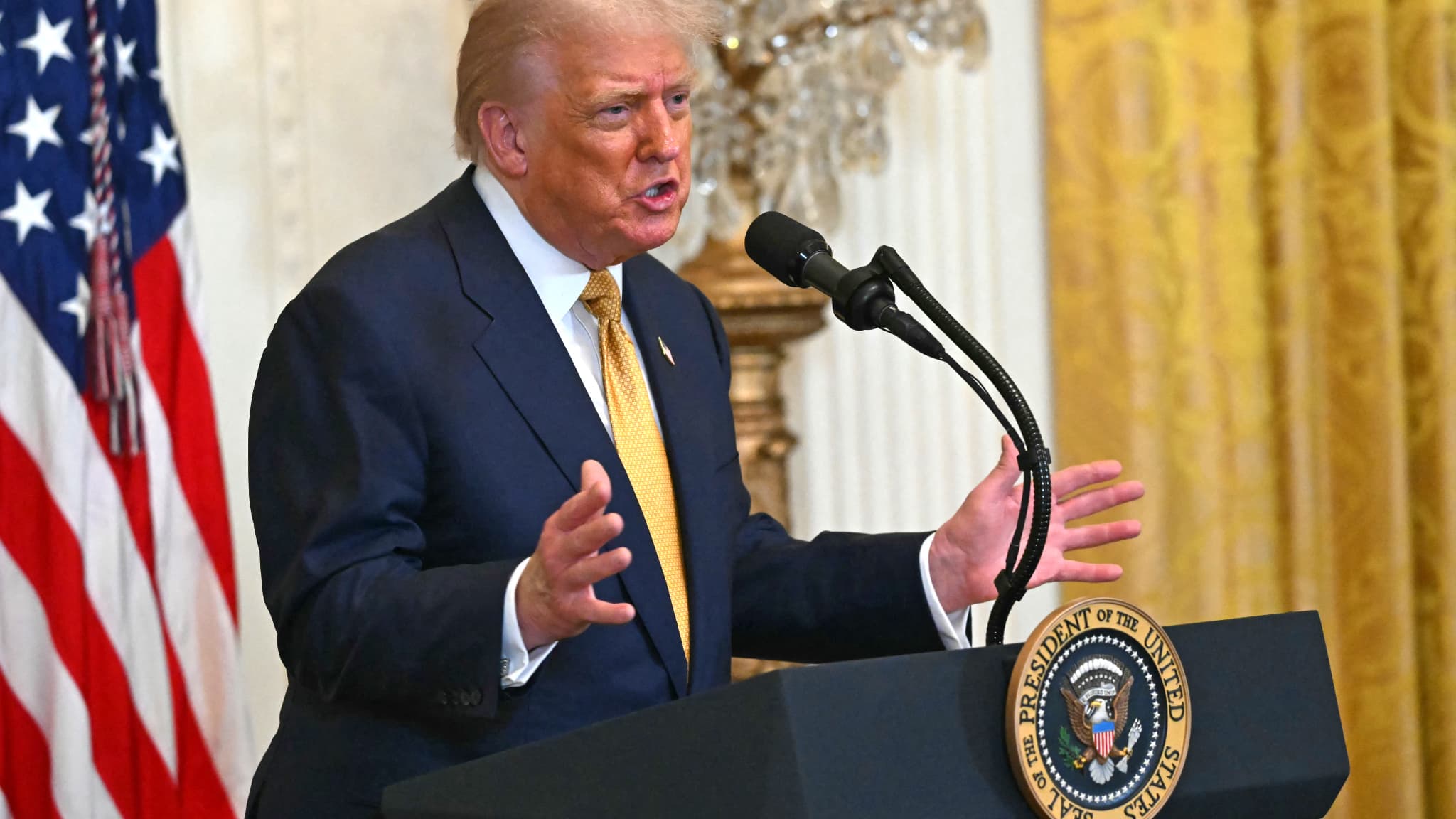
Bitcoin Surges Above $81K as Trump Rules Out Pre-Election Iran Strikes
Bitcoin reclaimed the $81,000 threshold on Tuesday after President Donald Trump publicly ruled out military strikes against Iran prior to the November 3 midterm elections. The announcement provided immediate relief to volatile markets, causing oil prices to retreat and stabilizing a crypto sector that had faced intense liquidation pressure.

Curve Finance eyes Ethereum Glamsterdam for DeFi reliability
Ethereum’s pending Glamsterdam upgrade promises to reshape decentralized finance by potentially easing blockspace congestion for complex transactions. Curve Finance, the protocol behind crvUSD, suggests that the true value of increased capacity lies in maintaining transaction speed and reliability during high-demand market volatility rather than simple gas limit hikes.

ACAMS and Chainalysis Scale Training as Crypto Fraud Losses Hit $17B
With global crypto-related scam and fraud losses surging to $17 billion in 2025, ACAMS and Chainalysis are overhauling their professional certification program. The partnership aims to bridge a critical industry knowledge gap, as 79% of surveyed anti-financial crime professionals cite digital assets as their primary area of concern.
UK Targets Crypto Exchanges Over Alleged Russia Sanctions Evasion
The United Kingdom has sanctioned three cryptocurrency exchanges and two payment platforms, accusing them of facilitating illicit financial flows for the A7 network. This Oct. 8 package of 38 designations aims to dismantle infrastructure supporting Russia’s war effort, targeting everything from shadow oil fleets to military supply chains.

EU Lawmakers Push for Stricter Crypto Oversight in Anti-Corruption Drive
With 390 votes in favor, the European Parliament has issued a nonbinding resolution urging the European Commission to tighten the net around digital assets and opaque corporate structures. The move aims to bolster the recovery of illicit proceeds before the Commission finalizes its overarching anti-corruption strategy by late 2026.

Jupiter Faces Critical Resistance Test After 50% Monthly Surge
Jupiter has climbed roughly 51% over the past month, reaching $0.37 as of October 8. The asset now encounters a formidable resistance zone between $0.38 and $0.40, a threshold that analysts suggest must be cleared to validate a breakout from a long-term accumulation structure and sustain the current rally.
Sui’s Hashi Platform Launches With $500 Million in Capital Commitments
Sui is set to launch its Hashi protocol later this month, backed by over $500 million in capital commitments from a coalition of more than 20 institutional partners. The initiative aims to integrate native Bitcoin into the Sui ecosystem, allowing holders to utilize their assets as collateral for decentralized financial applications.
U.S. Government Transfers $770 Million in Bitcoin to Coinbase Prime
Federal authorities have moved 9,261 Bitcoin, valued at approximately $770 million, to Coinbase Prime over a two-day period. The transfer, which includes assets recovered from the 2016 Bitfinex hack and previously unidentified holdings, has sparked market speculation despite federal custody protocols that do not necessarily signal an immediate liquidation of the assets.

Chainlink, Cardano, and Solana Face Downward Pressure at Key Levels
Chainlink, Cardano, and Solana have retreated from recent highs, sliding toward critical technical support levels as market sentiment shifts. Analyst Ali Charts identified specific bearish patterns across these assets, suggesting that unless buyers intervene to reclaim broken price floors, further downside volatility remains a distinct possibility for all three.
ESMA Sets January 2027 Deadline to Clear Non-Compliant Stablecoins
The European Securities and Markets Authority has issued a directive requiring EU-authorized crypto firms to wind down services tied to non-compliant stablecoins. Regulators now have a three-month window to ensure these companies purge unauthorized asset-referenced and e-money tokens from their platforms, with a final remediation deadline of January 8, 2027.

Gate Expands Crypto-Linked Visa Card Access to 40-Plus Markets
Gate is rolling out a new crypto-linked Visa card across more than 40 countries, allowing users to spend digital assets by automatically converting them into fiat at the point of sale. The move integrates the card into the newly launched Gate Money platform, which consolidates banking, stocks, and crypto assets.
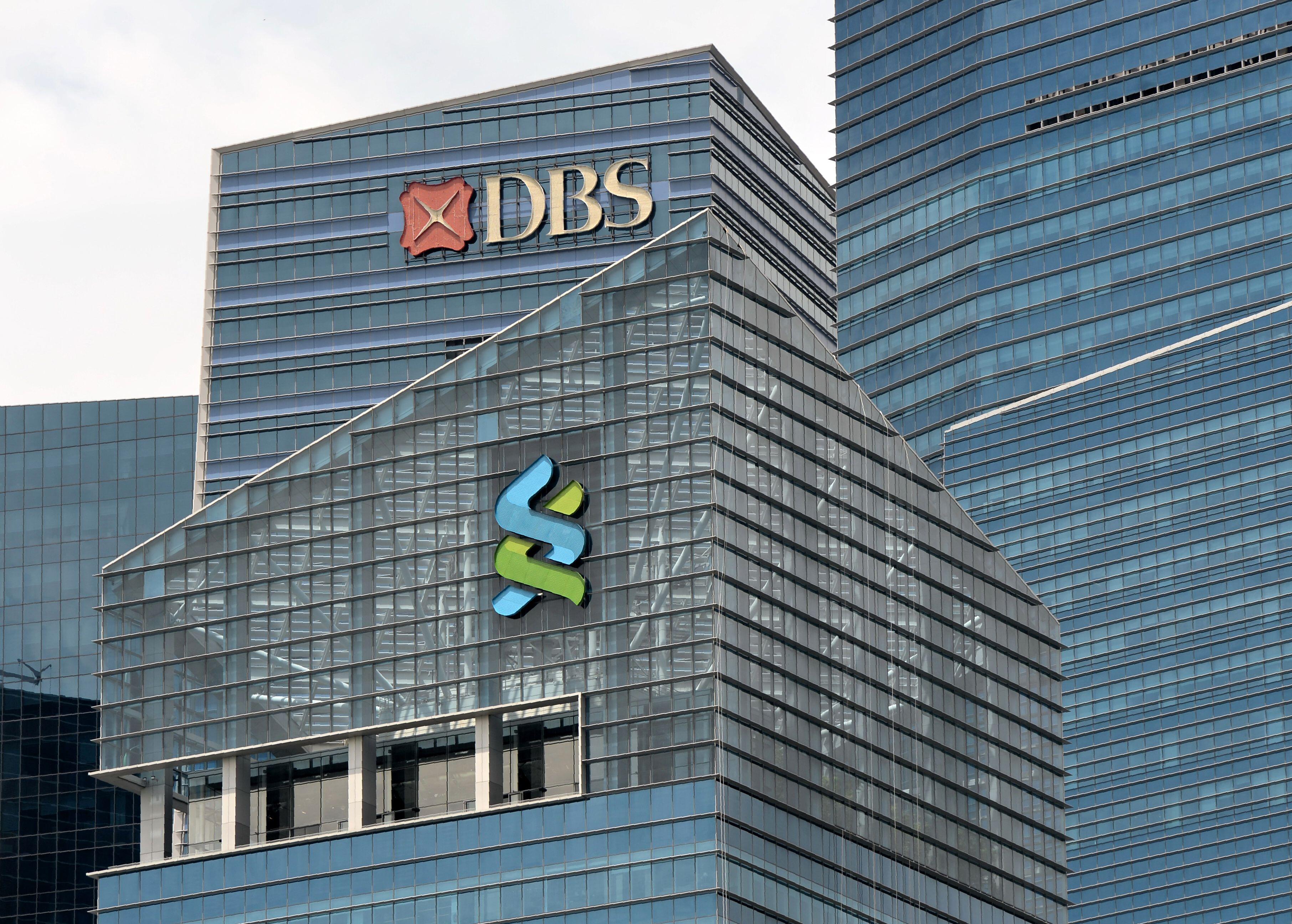
Standard Chartered Expands Institutional Crypto Custody to Singapore
Standard Chartered is positioning itself to capture growing institutional demand in Singapore by launching a digital asset custody service. The bank intends to integrate support for cryptocurrencies, stablecoins, and tokenized real-world assets directly into its existing Financing and Securities Services division, targeting corporate and accredited investors.
Ethereum Researcher Urges 'Bunker Mode' Amid AI Cryptography Fears
Ethereum Foundation researcher Justin Drake has called on the blockchain industry to initiate a controlled migration of digital assets to fresh addresses. Citing rapid advancements in AI-assisted mathematics, Drake warns that existing cryptographic standards like ECDSA could face unprecedented threats from classical computing clusters well before quantum hardware matures.

Greece Proposes 10% Crypto Gains Tax with €500 Exemption
Greece has unveiled draft legislation to impose a 10% capital gains tax on cryptocurrency profits, marking a significant step toward formalizing the digital asset landscape. The proposal, which includes an annual exemption for the first €500 in gains, is slated for parliamentary review this November.

Gwangju Bank and Toss Pilot Stablecoin QR Payments in South Korea
South Korean financial institutions are accelerating digital asset integration as Gwangju Bank and fintech firm Toss conclude a successful proof-of-concept trial for stablecoin-based QR payments. The collaboration connects mobile banking interfaces directly to merchant terminals, aiming to streamline consumer transactions ahead of impending national digital asset legislation.

Kyrgyzstan shutters $50M state-backed USDKG stablecoin project
Kyrgyzstan has ordered the liquidation of its state-owned crypto exchange and the issuer of USDKG, a gold-backed stablecoin launched just last year. The move follows a series of international pressures, including British sanctions against the issuer that cited concerns over business dealings of economic significance to the Russian government.

Ripple Prime challenges Wall Street with leveraged ETF financing
Ripple’s prime brokerage division is moving into the leveraged ETF financing market, stepping into a sector traditionally dominated by major Wall Street banks. By providing stock swap arrangements to investment funds, the firm is positioning its brokerage arm as a direct competitor to established financial institutions in the derivatives space.

Hyperliquid Labs Completes $330M HYPE Token Transfer
Hyperliquid Labs has finalized the seven-day unstaking process for 3.75 million HYPE tokens, valued at approximately $330 million, initiating a private institutional transfer. While the movement of these assets across various wallets sparked market speculation, the tokens are designated for an over-the-counter deal rather than open-market liquidation.

Franklin Templeton CEO Calls Out Tokenized Fund Rivals
At the TOKEN2049 conference in Singapore, Franklin Templeton CEO Jenny Johnson challenged the industry's approach to tokenization, labeling many rival products as mere "digital twins." She argued that firms are often keeping legacy recordkeeping systems intact while merely using blockchains as a superficial layer for their assets.

Wells Fargo eyes Kraken parent Payward for crypto liquidity
Wells Fargo is in private negotiations with Payward, the parent company of cryptocurrency exchange Kraken, to secure a liquidity source for digital asset trading. If finalized, the arrangement would allow the banking giant to offer crypto services to clients without building its own internal exchange infrastructure.
HashKey and BitGo Expand Institutional Partnership
HashKey Cloud and BitGo have broadened their strategic alliance to include institutional trading, custody, and real-world asset tokenization. Announced during TOKEN2049 in Singapore, the agreement establishes a framework for Ethereum and Solana staking, while integrating BitGo’s custody infrastructure into HashKey’s expanding regional initiatives across the Asia-Pacific market.
Polygon Adds TRON Support to Open Money Stack for USDT Payments
Polygon has integrated the TRON network into its Open Money Stack, enabling businesses to process stablecoin payments, cross-chain transfers, and fiat payouts through a unified interface. The move targets the massive liquidity on TRON, which currently holds over $94 billion in circulating USDT, representing more than half of the total supply.

Samsung Wallet to Enable USDC Transfers for 82 Million US Galaxy Devices
Starting in late October, Samsung will allow US Galaxy users to transfer USDC stablecoins directly through their mobile wallets. The service enables instant payments to crypto wallets and international bank transfers across more than 60 countries, bypassing the need for users to manage private keys or install separate applications.

Cardano Foundation Spins Out Identity Firm Veridian
After three years of internal development, the Cardano Foundation has transitioned its digital identity project, Veridian, into an independent commercial entity. The spinout aims to provide decentralized verification tools for governments and enterprises, leveraging a newly deployed token standard to manage its equity on the Cardano blockchain.