Cryptocurrency
US Treasury targets $1 billion in Iran-linked cryptocurrency
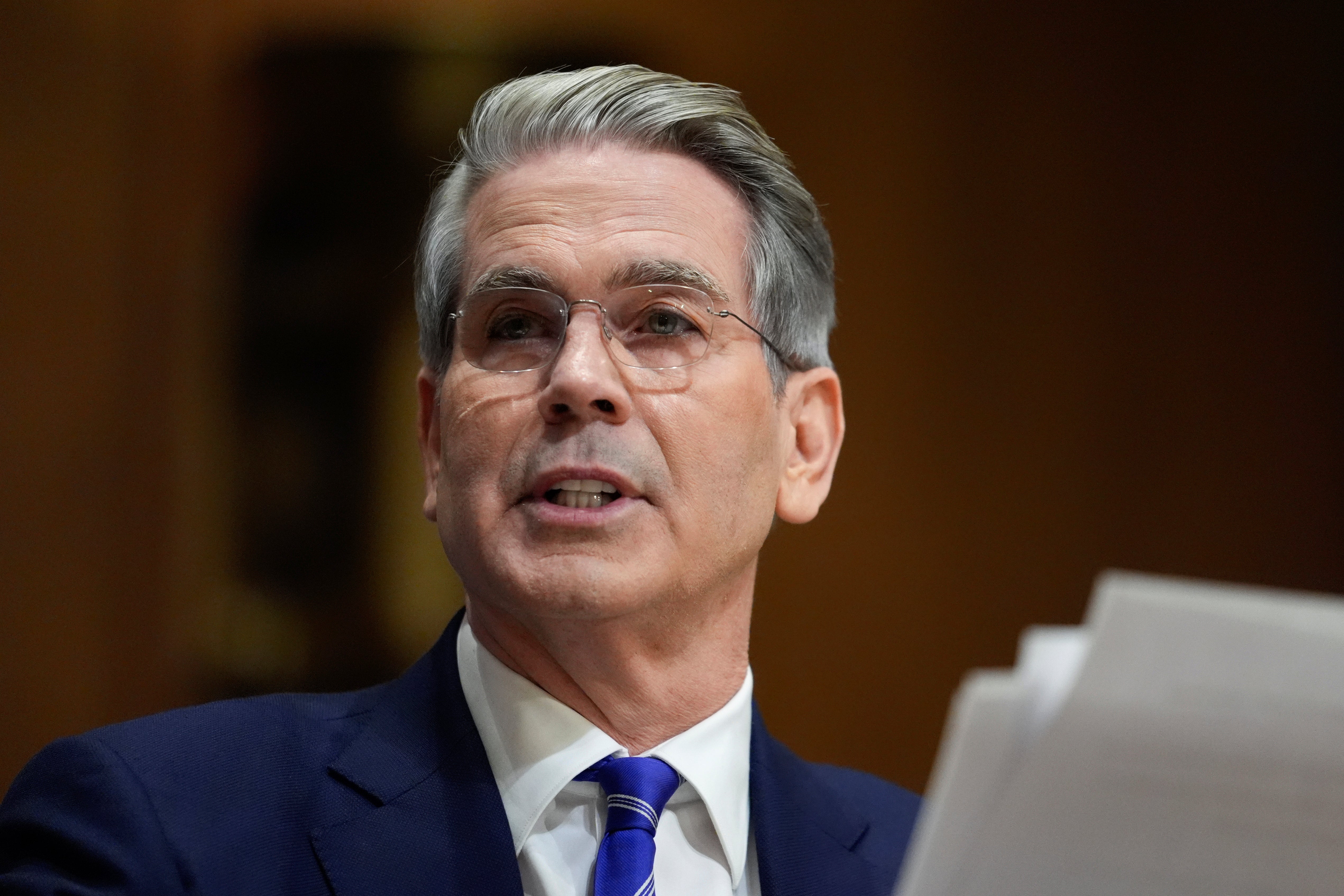
U.S. Treasury Secretary Scott Bessent announced that authorities have pinpointed approximately $1 billion in Iran-linked cryptocurrency and are moving to seize the assets this week. The operation represents a sharp escalation in Washington’s campaign to isolate Tehran through aggressive financial restrictions, maritime controls, and systematic digital asset targeting.

XRP Ledger Activates Batch Feature for Bundled Transactions
The XRP Ledger has officially activated its Batch feature on the mainnet, allowing users to group between two and eight transactions into a single operation. Supported by 30 network validators, the upgrade aims to streamline complex processes like institutional over-the-counter trades and NFT-for-NFT exchanges.

GRAM Climbs 9% as Telegram Expands In-App Wallet Access
The GRAM token rose 9% to $1.56 today as Telegram pushed its non-custodial wallet, Money, to a broader user base. The expansion allows the messaging platform’s one billion users to integrate digital asset transfers directly into their accounts, signaling a significant shift toward native, fee-free crypto utility.

OKX Launches Flexible USDC Loans for European Crypto Holders
European crypto investors can now borrow up to 250,000 USDC without a fixed repayment schedule by using their digital assets as collateral. The new service from OKX allows users to retain long-term holdings while accessing liquidity, though the company warns that these loans operate outside MiCA asset protection mandates.

The Bitcoin Quantum Threat: Why Exposed Public Keys Are the Real Risk
Between 6.7 and 7 million Bitcoin currently sit behind public keys already visible on the blockchain, creating a long-term vulnerability to future quantum computing attacks. While no current machine can break these signatures, security experts argue that the exposure of these keys remains the primary vector for potential theft.
Coinbase Price Targets Diverge as Analysts Weigh Diversification
Wall Street analysts are recalibrating their outlooks for Coinbase ahead of the exchange's next earnings report. Morgan Stanley nudged its price target for the crypto firm up to $258, while Citizens JMP opted for a more cautious approach, trimming its own forecast to $280 amid ongoing questions regarding non-trading revenue execution.

Bitcoin Outpaces Traditional Assets in Real Return Study
Bitcoin has outperformed nine major investment categories with a 633.2% inflation-adjusted return, according to a recent analysis by trading platform Taurex. Despite facing a 25% decline over the past year, the cryptocurrency maintained a commanding lead in purchasing power growth compared to gold, silver, and U.S. equities.
Bitcoin Struggles for Direction Amid Conflicting Market Signals
Bitcoin’s recovery toward $83,000 masks a fragile underlying structure, as the asset balances a bullish weekly breakout against deteriorating daily momentum. With the price hovering near critical support, the market faces a decisive test to determine if the rally toward $90,000 remains viable or if a deeper correction looms.

Solana Prepares Final Network Speed Boost as Market Sentiment Ebbs
Solana developers are set to activate the final stage of a network upgrade on Friday, pushing block production times down to 200 milliseconds. This shift, scheduled for epoch 1053, marks the culmination of a series of adjustments aimed at reducing latency and streamlining transaction flow across the ecosystem.
Zcash Targets Quantum-Resistant Upgrades for Transparent Transactions
Zcash developers have set a January 2027 target to integrate quantum-resistant signature verification, aiming to shield the network’s transparent transactions against potential future computing threats. While the proposal marks a significant security shift, no formal activation date or mandatory migration schedule for the mainnet has been finalized.

UK Sanctions Crypto Platforms Over Russia Links
The United Kingdom has blacklisted cryptocurrency platforms Cryptomus, Heleket, and TokenSpot as part of a sweeping 38-entity sanctions package. The measures, targeting financial services and payment networks, aim to dismantle infrastructure suspected of helping Moscow circumvent international financial restrictions and support its military operations in Ukraine.

Hoskinson and Buterin Clash Over AI Risks to Cryptographic Standards
Cardano founder Charles Hoskinson has publicly challenged Ethereum co-founder Vitalik Buterin’s warnings that AI could render lattice-based cryptography obsolete. The dispute centers on whether current quantum-resistant standards, recently vetted by NIST, are truly vulnerable to AI-assisted mathematical breakthroughs or if the proposed alternatives lack rigorous scientific justification.

ESMA Scrutinizes Tokenized Collateral Risks in Financial Crisis
The European Securities and Markets Authority is demanding proof that blockchain-based assets can withstand a market meltdown. With clearinghouses increasingly adopting distributed ledger technology for collateral, regulators are questioning whether these digital holdings remain accessible, liquid, and legally enforceable when traditional financial pressure mounts.

Why Crypto Marketing Tactics Are Failing in 2026
Launching a token has never been easier, yet capturing genuine attention remains a brutal challenge. As the market matures, the standard playbook of one-off influencer shouts and basic airdrops is yielding diminishing returns, forcing teams to pivot from temporary hype toward building long-term, verifiable user trust.

Pi Network Struggles at $0.08 as Stablecoin Integration Looms
Pi Network’s native token is facing persistent sell-off pressure, trading near $0.08 following a 10% weekly decline. As the project navigates this market slump, the Core Team has moved to clarify its long-term strategy, emphasizing that the introduction of stablecoins will complement—not replace—the PI cryptocurrency.

Bitcoin Gains Appeal as U.S. Debt Anxiety Overtakes Fed Policy
As U.S. Treasury yields hit multi-decade highs, Bitcoin is increasingly viewed as a hedge against fiscal instability rather than just a play on interest rates. CoinShares suggests that investor anxiety over government borrowing may soon eclipse Federal Reserve decisions as the primary driver for cryptocurrency market sentiment.

Bitcoin Insurer Meanwhile Secures $37.5 Million for Global Expansion
Meanwhile, a Bermuda-based insurer backed by Sam Altman, has raised $37.5 million in a funding round led by Bain Capital Crypto. The capital infusion brings the company's total funding to over $180 million, fueling its push to provide Bitcoin-denominated life insurance to wealthy families across Asia, Europe, and the Middle East.

Robinhood Eyes Tokenized Active ETFs With $1.9T Asset Manager T. Rowe Price
Robinhood Crypto is exploring a partnership with T. Rowe Price to bring actively managed exchange-traded funds to the Robinhood Chain. By integrating the $1.9 trillion asset manager’s strategies onto its Ethereum layer-2 network, the brokerage aims to expand its Stock Token lineup beyond passive index-linked instruments.

Pyth Network Surges 14% Following New Revenue Buyback Policy
Pyth Network’s native token, PYTH, climbed more than 14% to $0.08605 on Friday after the project’s decentralized autonomous organization approved a mandate to direct all eligible product revenue toward open-market token purchases. This shift in governance aims to link the network's commercial growth directly to its internal treasury reserves.

Crypto Developers Turn to Anthropic AI to Patch Software Vulnerabilities
Major blockchain projects including Ethereum developer Nethermind and Bitcoin wallet ZEUS have applied for access to Anthropic’s new automated security scanner. The tool, powered by the Claude Mythos model, identifies potential software flaws in open-source repositories to help developers fix critical vulnerabilities before malicious actors can exploit them.
MARA Holdings Shifts $81M in Bitcoin to Galaxy Digital
MARA Holdings has transferred 996.105 Bitcoin, valued at approximately $81.13 million, to institutional service provider Galaxy Digital. While onchain analytics firm Lookonchain flagged the movement as a potential liquidation, the lack of definitive exchange data leaves the actual purpose of the transaction—whether a sale or custody move—unconfirmed.

Armed intruders seize $820,000 in crypto during Pattaya home invasion
Three masked men scaled a wall into a luxury residence near Pattaya, Thailand, at 3:30 a.m. on Tuesday, forcing a Chinese expatriate with Turkish citizenship to transfer $820,000 in cryptocurrency at gunpoint. The assailants fled with the digital assets, cash, and three luxury watches, leaving local authorities scrambling to trace the transactions.
Trump Administration Unveils $6 Billion Science and AI Initiative
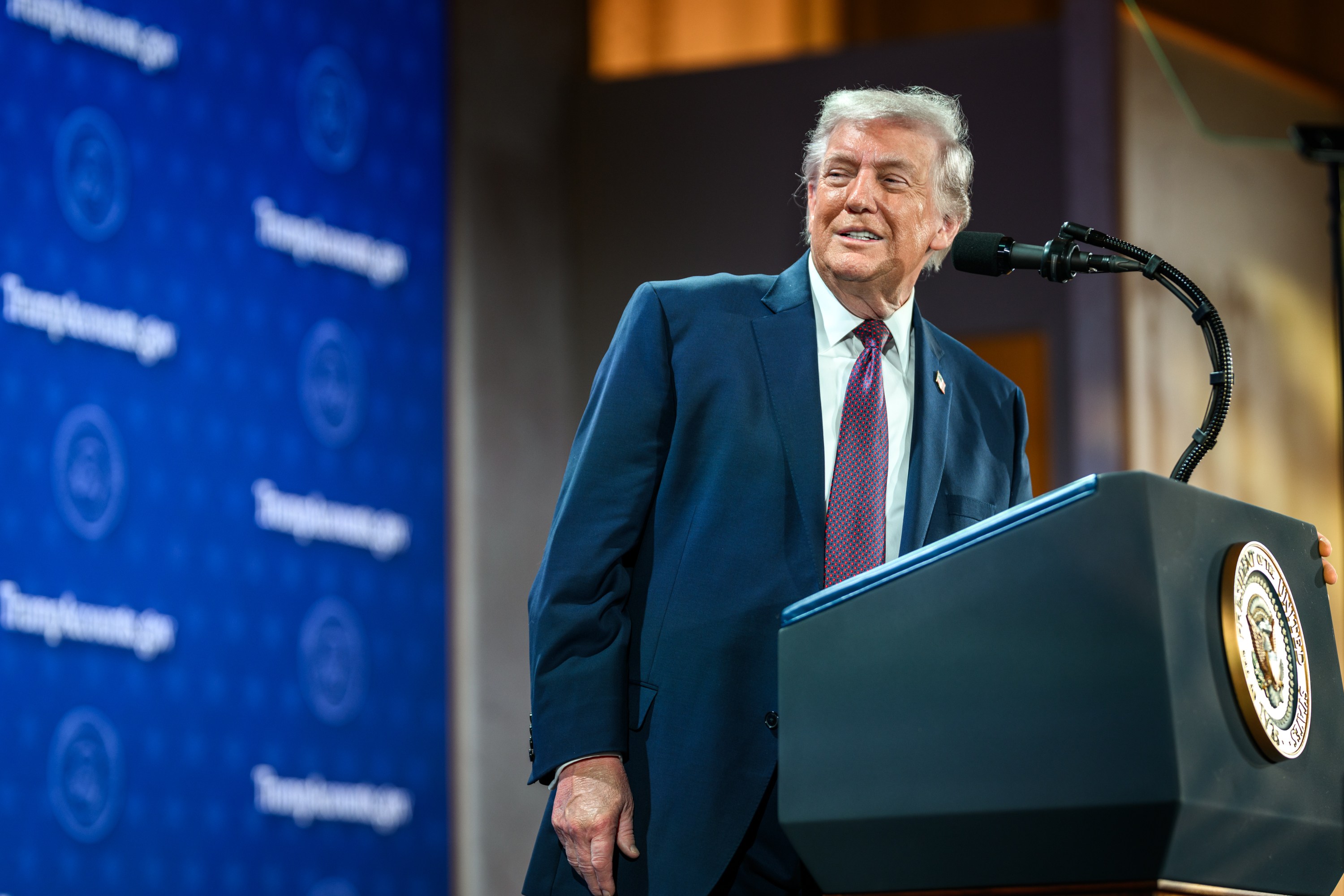
The Trump administration has launched a $6 billion science package centered on a $215 million quantum computing competition and $2.4 billion in industry-backed AI resources. Announced at the Science: A New Golden Age Summit, the initiative seeks to accelerate breakthroughs in energy, healthcare, and space exploration through public-private partnerships.
Senator Blumenthal probes Cantor Fitzgerald over $10 billion Tether link
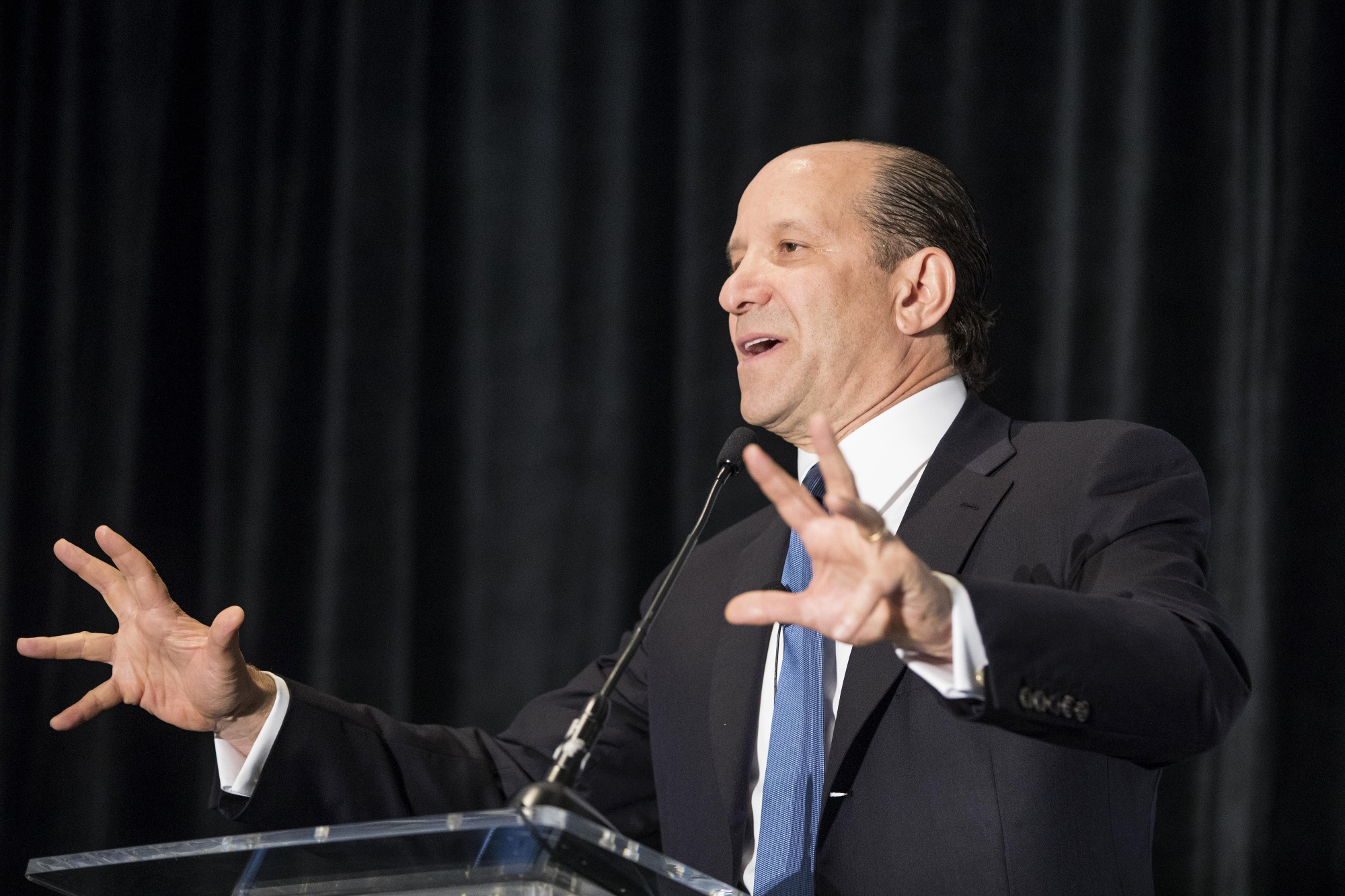
U.S. Senator Richard Blumenthal has demanded that Cantor Fitzgerald disclose extensive financial records detailing its partnership with stablecoin issuer Tether. The inquiry, issued on October 8, seeks to clarify the investment firm's oversight of Tether amid allegations that the USDT token is facilitating illicit financial networks linked to Iran.
France Proposes Tax Overhaul for Crypto and Stablecoin Holdings
French lawmakers are moving to tighten crypto taxation as part of the proposed 2027 budget, targeting stablecoin conversions while offering new relief for trading losses. The Finance Committee recently backed amendments that would end current tax exemptions and introduce an exit tax for wealthy investors relocating abroad.

Thailand Finalizes Rules for Bitcoin and Ether ETFs
Thailand’s Securities and Exchange Commission has finalized 11 regulations governing the launch of Bitcoin and Ether exchange-traded funds, establishing a formal framework that takes effect on October 16, 2026. The move allows local investors to gain exposure to digital assets through regulated securities without managing individual wallets.
BitGo Faces $141M Lawsuit Over Alleged Early Token Sales
Two companies affiliated with DWF Labs have initiated legal action against crypto custodian BitGo in London’s High Court, alleging the firm breached private sale agreements by liquidating restricted tokens ahead of schedule.

Binance Restricts Services in Brazil to Meet Central Bank Rules
Starting October 27, 2026, Binance will slash eight cryptocurrency services and delist 22 tokens for Brazilian users as the exchange transitions local operations to comply with new Central Bank of Brazil mandates. The move marks a significant shift in how the platform interacts with the country’s regulated financial landscape.

Netflix Sets November Premiere for FTX Drama The Altruists
“Lying isn’t bad for a good cause,” Julia Garner’s character declares in the newly released trailer for The Altruists. The eight-episode Netflix drama, arriving November 19, chronicles the rapid rise and catastrophic collapse of Sam Bankman-Fried and Caroline Ellison, the central figures behind the $8 billion FTX scandal.
JPMorgan Sees Crypto Inflows Hit $50 Billion as Momentum Shifts
Digital assets have drawn $50 billion in capital this year, as a rebound in exchange-traded funds and surging futures activity bolster market momentum entering the fourth quarter. Analysts at JPMorgan suggest the sector is shedding its reliance on corporate balance sheets, signaling broader participation from both retail and institutional players.