Cryptocurrency

Caroline Pham: CFTC Has Sufficient Legal Reach for Crypto Oversight
Former CFTC acting chair Caroline Pham argues that the Commodity Exchange Act already provides the agency with comprehensive authority to regulate cryptocurrency markets. Amidst recent proposals for federal oversight of retail leveraged trading, she maintains that existing law is flexible enough to manage emerging financial products without requiring new congressional mandates.

Pandu to Launch Hong Kong’s Second Spot Solana ETF
Hong Kong’s exchange-traded fund market is expanding as Pandu Asset Management prepares to list its spot Solana ETF on October 13. The new fund offers investors direct exposure to the SOL token, positioning itself as a lower-cost alternative to existing products currently available on the local stock exchange.

Ethereum Foundation-linked wallets transfer $11M to Kraken
Two wallets with historical ties to the Ethereum Foundation moved 4,393 ETH, worth approximately $11.13 million, to the Kraken exchange on October 12. While the deposit sparked speculation regarding potential sell-offs, neither the foundation nor the exchange has confirmed whether the assets were converted into fiat currency.

Billionaire Adam Weitsman snaps up 117 Pudgy Penguins NFTs
American billionaire and collector Adam Weitsman announced the purchase of 117 Pudgy Penguins NFTs over the October 10–11 weekend. The acquisition, disclosed on X, aims to bolster the project’s community during a volatile period for the digital collectibles market, following a recent surge in trading volume for the collection.

XRP Ledger Patches Critical Integer Overflow Flaw
Developers have remediated a critical security vulnerability in the XRP Ledger that could have allowed for the unauthorized minting of 18 trillion XRP. The flaw, rooted in code dating back to 2015, risked compromising the network's 100 billion token supply limit, though forensic investigations confirmed no exploitation occurred on public networks.

Sui Foundation invests $30M to absorb DATA Network
The Sui Foundation has secured a $30 million stake in the DATA Network, positioning itself as the project's largest institutional holder as the protocol prepares to shutter its independent blockchain. The move marks a strategic pivot for DATA, which will migrate its infrastructure and token ecosystem directly onto the Sui network.

Ledger Confirms Hardware Tampering in CryptoBilis Wallet Investigation
Ledger has officially confirmed the presence of unauthorized hardware implants in cryptocurrency wallets distributed through the Southeast Asian reseller CryptoBilis. While the manufacturer investigates the extent of the physical tampering, blockchain researchers estimate that suspected thefts from compromised user accounts may exceed $92 million.

Malaysian Man Reports $3 Million Cryptocurrency Theft
A 38-year-old resident of Teluk Intan has reported the loss of RM12.47 million, roughly $3.05 million, after discovering unauthorized transactions draining his digital wallet. Perak police have launched a formal investigation into the incident, enlisting specialized units to track the movement of the missing assets across the blockchain.

IMF Finds Tokenized Stocks Carry Higher Volatility and Fragmentation
Tokenized stocks are currently trading with approximately 1.5 times the volatility of their traditional counterparts, according to a recent IMF study. While these blockchain-based assets offer the appeal of fractional ownership and around-the-clock trading, researchers warn that the market remains fragmented and lacks the liquidity of conventional exchanges.

Dogecoin faces $57M in outflows as price struggles near $0.085
Dogecoin recorded $57.2 million in net spot outflows over the past week, a period marked by a 9% decline in value. As the token hovers near $0.085, exchange data shows investors moving hundreds of millions in assets, though analysts remain divided on whether this signals long-term accumulation or simple market cooling.

GTA 6 Leaker Links Game Release to $30 Million Meme Coin Target
An anonymous figure operating under the handle CyberLeek has threatened to publish the full version of Grand Theft Auto VI, provided a Solana-based meme coin reaches a $30 million market capitalization. The ultimatum follows a series of unauthorized gameplay leaks that have prompted ongoing legal action from publisher Take-Two Interactive.
Nasdaq CEO sees billions unlocked by asset tokenization
Tens of billions of dollars currently locked in global financial collateral could be liberated through blockchain tokenization, according to Nasdaq CEO Adena Friedman. Speaking at the TOKEN2049 conference in Singapore, Friedman argued that digitizing Treasurys, equities, and money market funds would streamline settlement and enhance liquidity across institutional markets.
XRP Ledger hits 13 million AI-driven payments
The XRP Ledger has surpassed 13 million automated transactions via the x402 protocol, signaling a shift toward machine-to-machine financial settlements. RippleX engineering head J. Ayo Akinyele confirmed the milestone, noting that AI-driven agent payments now account for approximately one-quarter of the network's total activity as adoption among merchants accelerates.
COLDCARD Investigates Unauthorized Phishing Post on X
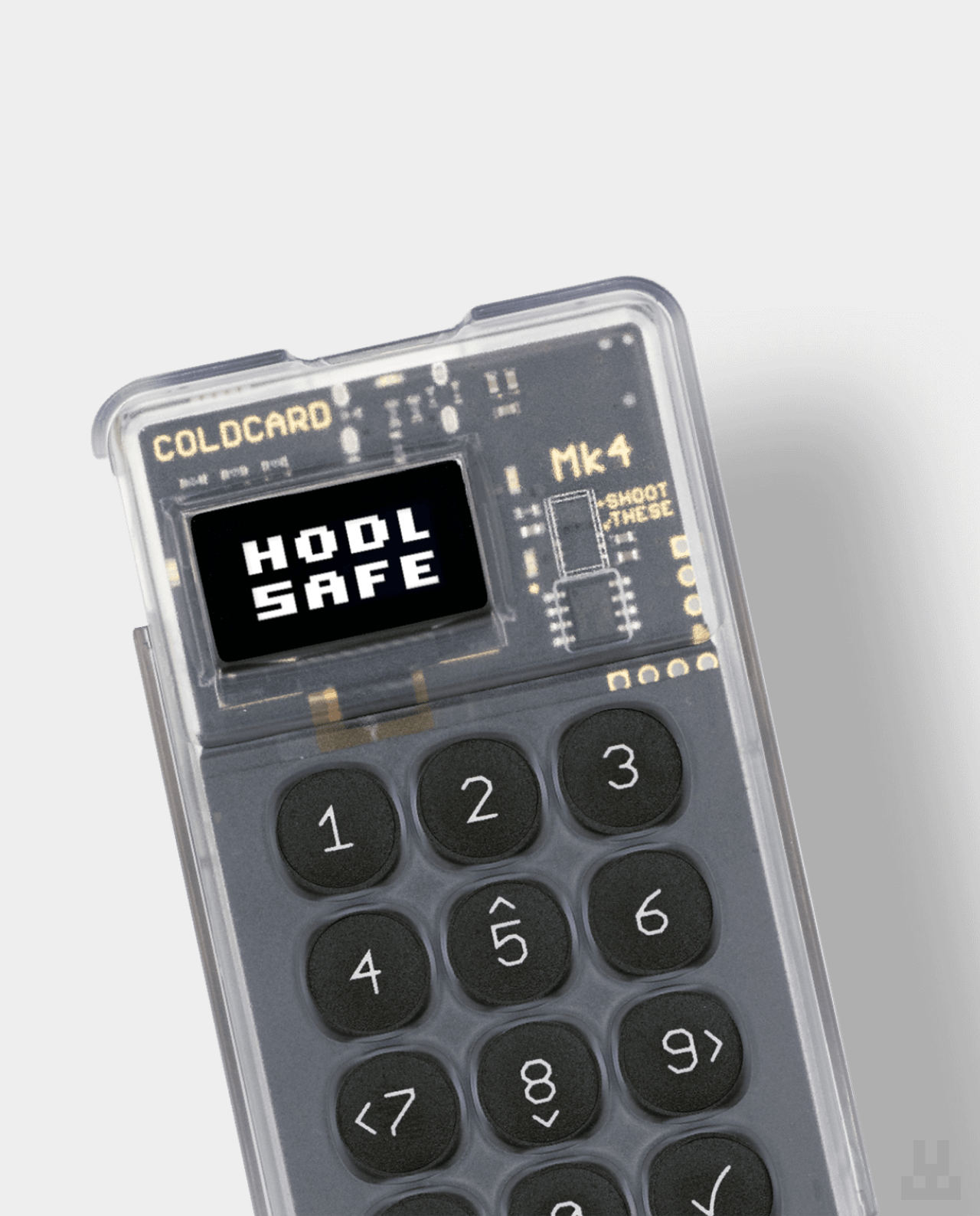
Bitcoin hardware wallet manufacturer COLDCARD has launched an urgent internal investigation after an unauthorized phishing message appeared on its official X account on October 11. The fraudulent post directed users toward a malicious website, masquerading as a security migration tool to exploit concerns over firmware vulnerabilities.

Japan Police Arrest Six Over $580,000 Crypto Laundering Scheme
Japanese authorities have arrested six individuals suspected of laundering 91 million yen—roughly $580,000—in proceeds from social media investment scams. The operation allegedly utilized a corporate bank account to receive stolen funds before converting them into cryptocurrency through overseas channels to obscure the money trail.

Papertrade Pricing Model Under Scrutiny Following Manipulation Allegations
Decentralized trading platform Papertrade faces accusations that two anonymous wallets exploited its pricing system to profit from synthetic Ether trades. Critics allege that traders moved Ethereum prices on Hyperliquid by 0.2% using $20 million in orders, triggering favorable settlements for their larger, highly leveraged positions on the synthetic platform.
Bubblemaps Alleges $125K Pump.fun Scam by Influencer Ethan
Blockchain analytics firm Bubblemaps has accused cryptocurrency influencer Ethan of orchestrating a coordinated trading scheme on Pump.fun. The firm alleges that wallets connected to the influencer systematically purchased tokens before his public recommendations and sold them shortly thereafter, allegedly netting $125,000 in combined trading profits and promotional rewards.

Robinhood Chain activity cools as daily transactions slide 42%
Robinhood Chain has recorded a sharp 42% decline in average daily transactions since mid-September, signaling a cooling period for the Ethereum layer-2 network. While spot trading volume has retreated by 21%, the platform continues to hold over $1 billion in decentralized finance deposits, defying the broader slump in network activity.
Ledger Users Targeted by Sophisticated Phishing and Reseller Fraud
Security researchers have identified a fraudulent Ledger website appearing at the top of Google search results, designed to harvest 24-word recovery phrases. This digital threat coincides with an ongoing investigation into more than $86 million in suspected cryptocurrency losses linked to hardware wallets sold by a Southeast Asian reseller.
Russia Mandates Lower-Priority Power for Crypto Miners
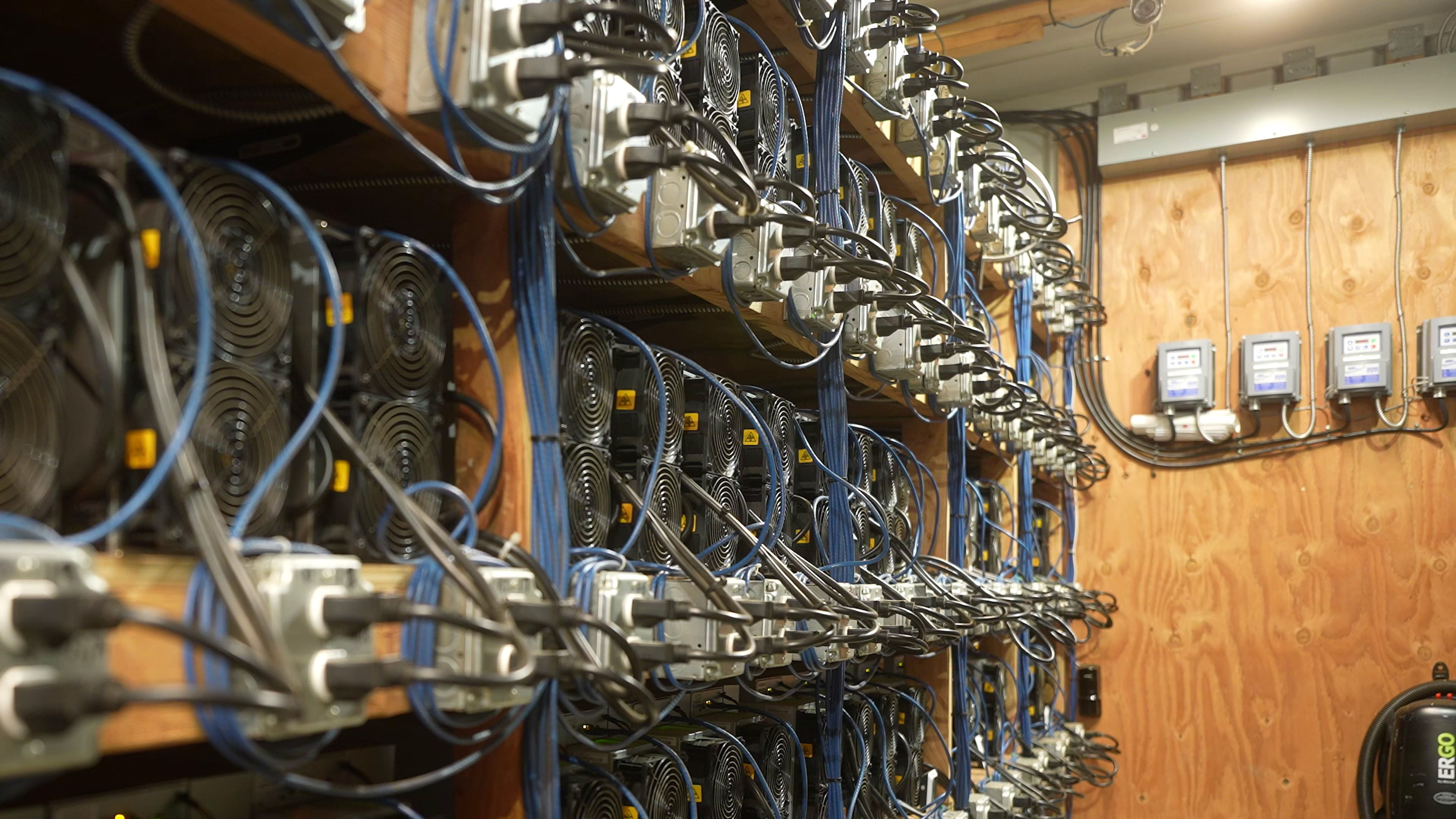
Russian authorities have moved to secure household energy stability by forcing cryptocurrency mining operations onto a lower-priority electricity grid connection. Under Government Resolution No. 1300, mining farms must now accept Category 4 status, leaving them vulnerable to immediate power cuts during periods of high demand or grid instability.

Hong Kong Cracks Down on Unlicensed Payment Platforms
Hong Kong authorities are sharpening their regulatory focus on the digital payments sector following 16 complaints regarding suspected unlicensed stored value services between January 2024 and September 2026. Officials warn that firms operating outside the legal framework face direct intervention and potential referral to law enforcement agencies.

China Unveils Blueprint for National Blockchain and Computing Networks
Beijing has launched an ambitious policy initiative to integrate blockchain and computing infrastructure into the core of its national economy. Issued by the Communist Party Central Committee and the State Council, the 19-measure directive aims to bridge the gap between digital innovation and industrial manufacturing through centralized data oversight.
Papertrade Prepares 1000x Leverage Launch After $85M Deposit Influx
With $85.3 million in deposits already locked, the HyperEVM perpetuals exchange Papertrade is set to open for trading on October 10 at 10 a.m. ET. The platform debuts with high-stakes 1000x leverage, utilizing a synthetic model that relies on internal liquidity pools rather than direct order book matching.

Evernorth Finalizes SPAC Merger to Launch XRP-Focused Public Entity
Evernorth has finalized its merger with Armada Acquisition Corp. II, securing a treasury of 473 million XRP and approximately $300 million in gross cash proceeds. The deal, which faced a brief administrative delay, paves the way for the company’s common stock to begin trading on the Nasdaq under the ticker XRPN on October 12.

Triple-A Treasury Hacker Launders $12.4 Million Through Tornado Cash
The digital thief responsible for the July breach of Triple-A’s treasury has funneled 4,970 ETH into the Tornado Cash mixer, according to data from blockchain security firm Salus. The massive transfer represents a calculated effort to obscure the origin of assets stolen during a sophisticated social engineering attack.

Crypto ETFs face $1.29 billion exodus as Bitcoin and Ether lead sell-off
Investors pulled $1.29 billion from U.S. crypto ETFs between October 5 and 9, marking a sharp reversal from the previous week's inflows. Bitcoin and Ethereum funds bore the brunt of the flight, accounting for the vast majority of withdrawals across a difficult five-day trading window for digital asset products.

NFT Market Stagnates as Buyer Participation Plummets
Weekly NFT sales edged up 0.90% to hit $39.85 million by Oct. 10, though the figure masks a deeper industry contraction. While dollar volume held steady, the number of active buyer addresses cratered by over 85%, revealing a market increasingly driven by a shrinking pool of participants.
Crypto and AI startups secure $380 million in weekly funding surge
Venture capital activity in the Web3 and AI sectors accelerated between October 3 and 9, with 16 disclosed deals totaling $380.51 million. The week was defined by two massive $90 million rounds for Spiko and Nous Research, which together accounted for nearly half of the total investment volume reported during the period.

CFTC Moves to Classify Event Contracts as Swaps
The Commodity Futures Trading Commission has officially proposed bringing sports, political, and weather event contracts under its swap definition, a move designed to assert federal authority while simultaneously carving out a formal exclusion for casino-style gambling products to clarify the boundaries of state-level gaming oversight.

Alex Mashinsky hit with lifetime industry ban in New York settlement
Former Celsius CEO Alex Mashinsky faces a lifetime ban from the cryptocurrency, securities, and commodities industries following a settlement with New York regulators. The agreement, announced October 9, carries up to $35 million in conditional payments linked to federal forfeiture requirements and the completion of his ongoing 12-year prison sentence.