Cryptocurrency

Conduit Sues Tether Over $2.76 Million Frozen in Treasury Wallet
Cross-border payments firm Conduit Technology has filed a lawsuit against Tether in the Southern District of New York, challenging the freezing of $2.76 million in USDT. The company alleges that Tether blacklisted its corporate treasury wallet without a direct mandate from Brazilian authorities or any valid legal claim.

Bitcoin.de pivots to partner model after German regulator rejects license
Trading on Bitcoin.de remains largely frozen after Germany’s financial regulator, BaFin, denied a MiCA authorization application from the platform’s subsidiary, futurum bank. The rejection forces the Bitcoin Group to abandon its original plan for an internal license and scramble for a new operating structure involving third-party partners.
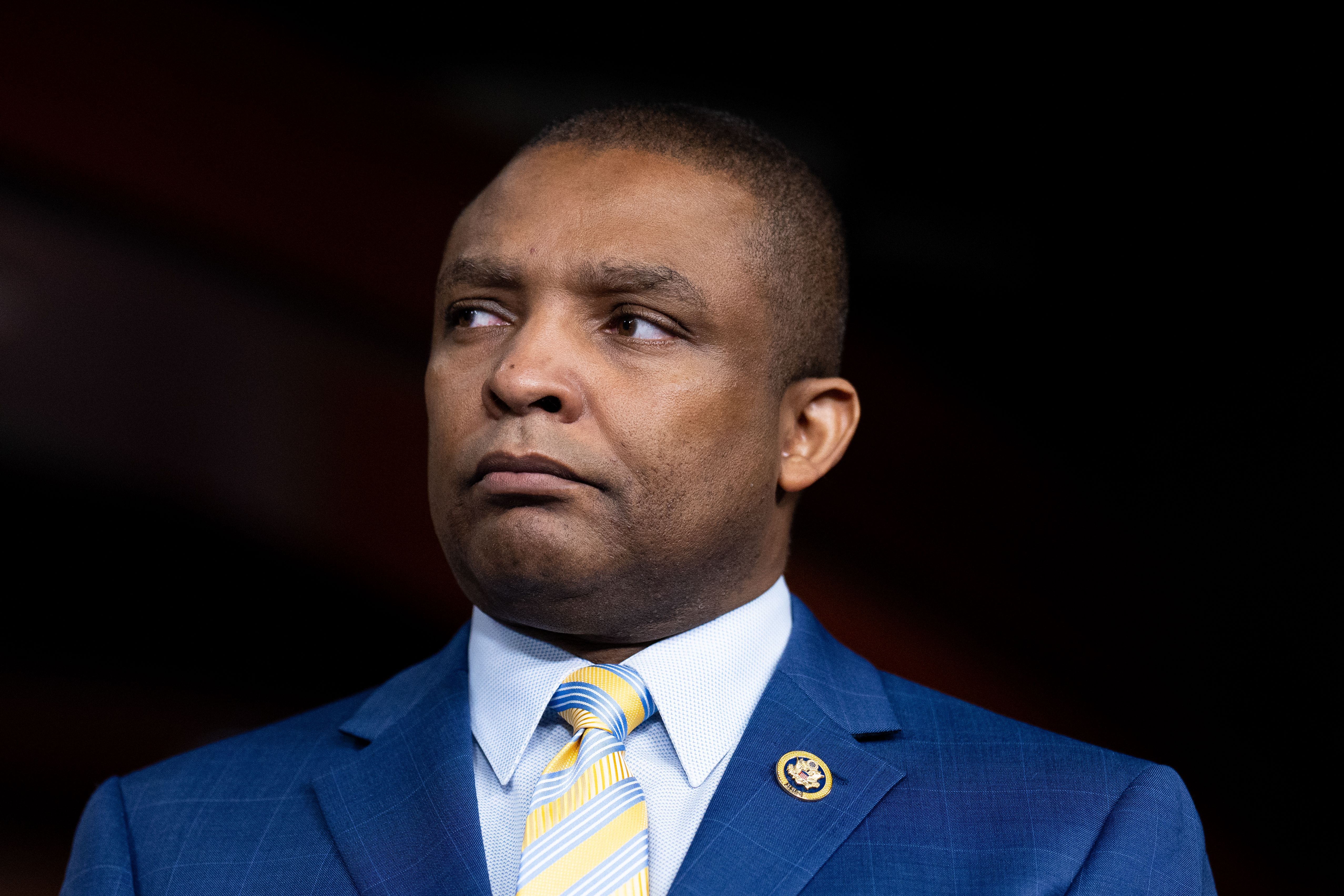
US Lawmaker Proposes Ban on Candidates Betting on Their Own Races
Representative Don Davis has introduced the No Betting on Your Own Race Act, seeking to penalize federal candidates who trade prediction market contracts tied to their own election outcomes. The legislation aims to curb potential insider trading and market interference by candidates, their families, and campaign committees.

UK Selects Six Banks for Maiden Digital Gilt Issuance
The British government has tapped six major financial institutions to spearhead its inaugural digital bond issuance, targeting a pilot launch in early 2027. This initiative, known as DIGIT, marks a pivotal move to test distributed ledger technology within the state's debt management framework via the Digital Securities Sandbox.

Base Vault Exploit Reveals Dangerous Disclosure Gap
An unidentified vault on the Base network lost $6 million in wstETH after a malicious contract bypassed security, exposing a critical failure in vulnerability reporting. With the vault’s operators remaining silent and anonymous, security researchers are left without a clear path to disclose flaws or intervene without facing potential legal consequences.

Winklevoss Asset Services Files for Nasdaq-Listed Zcash ETF
Winklevoss Asset Services has submitted an S-1 registration with the U.S. Securities and Exchange Commission to launch a spot Zcash ETF on Nasdaq. The proposed fund, trading under the ticker WINK, aims to provide institutional and retail investors with direct exposure to ZEC tokens as the asset trades above $1,376.

Brevan Howard Taps Ripple Prime for Institutional Brokerage Services
Brevan Howard, a fund manager overseeing approximately $35 billion, has expanded its partnership with Ripple to utilize Ripple Prime for multi-asset brokerage, clearing, and financing. This agreement integrates Ripple’s infrastructure into Brevan Howard’s operations, bridging the gap between traditional financial markets and digital asset ecosystems for the firm’s investment teams.
Bitcoin Recovery Stalls as ETF Demand Cools Near Break-Even
Bitcoin’s climb toward the $90,000 threshold has hit a wall, stalling below $87,722 as weekly spot ETF inflows plummeted by roughly 90% to $241.1 million. Analysts at Bitfinex attribute the lethargy to investors pulling back as they reach their average break-even price after months of holding underwater positions.

OKX Secures Strategic Capital from Circle, Ripple and Standard Chartered
A coalition of financial heavyweights including Circle, Ripple, and Standard Chartered’s SC Ventures has joined an ongoing funding round for OKX. The investment confirms a $25 billion valuation for the exchange, signaling a deepening convergence between traditional institutional infrastructure and digital asset trading platforms.

Ethereum Deploys Glamsterdam Upgrade to Sepolia Testnet
Ethereum’s Glamsterdam upgrade arrived on the Sepolia testnet on October 6, initiating a critical public trial for the network’s 2026 scaling roadmap. The deployment shifts focus toward testing a 200 million gas limit and architectural changes intended to overhaul how blocks are constructed, validated, and processed.

OKX Debuts Standalone App for Stablecoin Savings and Payments
Targeting users with little to no experience in digital assets, OKX has launched a standalone application designed to bridge traditional finance with stablecoins. The platform, OKX Money, allows customers across selected emerging markets to fund accounts with over 50 currencies and spend via integrated virtual and physical payment cards.

Cardano Breaks Trendline as Futures Interest Surges 25%
Cardano’s ADA is testing the $0.28 resistance zone after a sharp weekly rally, with on-chain data signaling that the recent price momentum is driven by new leveraged positions rather than a short squeeze. The token climbed to $0.279 on October 6, buoyed by a spike in whale activity and renewed interest.

Spiko Raises $90 Million as Tokenized Assets Reach $2.7 Billion
London and Paris-based Spiko has secured $90 million in a Series B funding round led by New Enterprise Associates. The capital infusion follows a period of rapid growth for the fintech, which now manages $2.7 billion in tokenized cash funds across more than 25 global jurisdictions.

Solana Unveils Open-Source Tool for Institutional Asset Settlement
The Solana Foundation has released an open-source delivery-versus-payment program designed to enable financial institutions to exchange tokenized assets and payments in a single atomic transaction. By automating the settlement process, the infrastructure aims to reduce timeframes from several days to mere seconds, potentially streamlining institutional operations on the blockchain.

Ondo Finance launches tokenized exposure to private AI firms
Ondo Finance has introduced Ondo Private Markets, a platform allowing eligible non-U.S. investors to trade tokenized notes linked to the valuation of private companies. The service debuts this week with a focus on an unnamed pre-IPO artificial intelligence firm, enabling 24/7 secondary market trading for token holders.

BitGo Pivots to Prime Brokerage to Drive Institutional Revenue
BitGo CEO Mike Belshe is steering the crypto custodian toward an ambitious future where prime brokerage services account for the company’s entire revenue stream. By bundling trading, lending, and settlement into a single platform, the firm aims to move past the era of charging clients solely for digital asset storage.

Samsung Patents Smart Contract Wallet to Simplify Crypto Transactions
Samsung Electronics has filed for a U.S. patent detailing a digital asset wallet system that offloads transaction authentication to smart contracts. By shifting this process away from individual devices, the proposed architecture allows smartphones, wearables, and home appliances to initiate transfers without directly storing or handling private keys.

Parataxis Ethereum Scraps Korea Merger Over Delisting Risks
Conflict defines the collapse of the proposed merger between Parataxis Ethereum and Parataxis Korea, as boards terminated the deal to escape the fallout of a bitter legal battle with the Korea Exchange. The decision effectively halts a complex consolidation intended to simplify the group’s corporate structure.

Rialo targets South Korean financial firms for onchain expansion
Rialo is moving to integrate blockchain infrastructure into traditional finance, initiating proof of concept discussions with South Korean institutions. The network aims to bridge the gap between legacy systems and decentralized applications by prioritizing native web connectivity and privacy tools over immediate token issuance.
Ethereum Economic Zone Completes First Atomic L1-to-L2 Transaction
The Ethereum Economic Zone (EEZ) framework has successfully executed its first atomic transaction between the mainnet and a layer-2 network. By bundling operations across execution layers, the test demonstrated a potential path toward synchronous composability, allowing actions to either complete or revert collectively rather than remaining fragmented across disparate bridge infrastructures.
Bitget Hack Laundering Generates Over $760,000 in Protocol Fees
The massive $387.5 million theft from Bitget has inadvertently turned into a lucrative revenue stream for decentralized finance protocols. Independent researcher Andrey Sergeenkov found that various services collected $761,725 in transaction fees while processing the movement and exchange of assets stolen during the late September security breach.
Virtuals Protocol tests iOS app for AI-driven automated trading
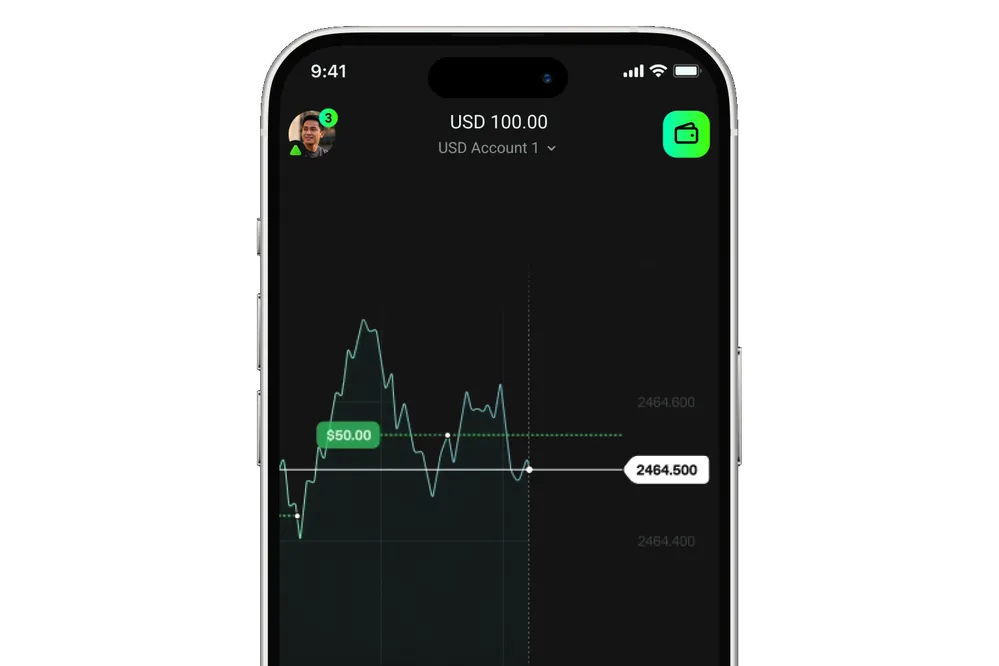
Virtuals Protocol has launched a closed-beta iOS application that grants personal AI agents direct access to user wallets and market data. By utilizing natural language instructions, testers can now authorize autonomous systems to monitor market conditions and execute trades within predefined financial boundaries.
Polymarket Readies Protocol V2 for November Rollout
Polymarket has launched production testing for its Protocol V2, a significant infrastructure overhaul designed to replace the platform's aging 2019-era Gnosis framework. The transition, which begins with a canary release period, aims to standardize market creation through a unified ERC-1155 position system and modular oracle settlement.

Ethereum tests 200 million gas limit on Sepolia testnet
Ethereum developers are pushing network capacity to its limits, initiating a 200 million gas ceiling on the Sepolia testnet under the Glamsterdam upgrade. This public stress test aims to determine whether validators can maintain stability while processing more than triple the current 60 million gas block capacity.

Binance Refines On-Chain Stock Conversion Features
Binance is re-emphasizing its bStocks feature, allowing eligible users to convert traditional equity positions into tokenized versions at a 1:1 ratio. While the mechanism enables round-the-clock trading and wallet withdrawals, the tokens function as certificates rather than direct company shares, leaving legal ownership rights outside the hands of token holders.

Rain Seeks Federal Trust Charter Amid Looming Banking Lawsuit
Rain has formally applied to the Office of the Comptroller of the Currency to establish a national trust bank, positioning itself to custody digital assets and issue stablecoins. The move lands just days after community bankers launched a federal lawsuit challenging the very regulatory framework supporting such crypto-focused charters.

ZachXBT Infiltrates Laundering Ring Linked to $1.5B Bybit Hack
Blockchain investigator ZachXBT spent $349,700 of his own money to infiltrate a Chinese laundering network, eventually mapping the movement of funds from the 2025 Bybit heist. By posing as a client, the investigator gathered data linking the syndicate to North Korean state-backed hackers and facilitated key asset freezes.

Crypto PAC Fairshake Commits $6 Million to House Incumbents
The crypto-backed political action committee Fairshake is deploying an initial $6 million to bolster six congressional incumbents, marking the start of a broader strategy for the 2026 midterms. Supported by industry giants like Coinbase and Ripple, the organization is prioritizing candidates who backed the Digital Asset Market Clarity Act.

Bitcoin Eyes $93,000 Threshold Amid Shifting Fed Expectations
Bitcoin could climb toward $93,000 if Treasury yields retreat and inflation data confirms a softening labor market, according to Lacie Zhang, research lead at Bitget Wallet. While reduced odds of an October rate hike offer a tailwind, sustained spot buying remains the final hurdle for a breakout.

Aptos Labs Targets Frontrunning with Encrypted Mempool Proposal
Aptos Labs is pushing to neutralize frontrunning and MEV exploitation by introducing a native encrypted mempool. If the governance proposal clears, the layer-1 network would hide trade instructions from validators until the ordering phase concludes, potentially shielding users from predatory trading practices while maintaining on-chain transparency for finalized transactions.