All news

Bitcoin.de pivots to partner model after German regulator rejects license
Trading on Bitcoin.de remains largely frozen after Germany’s financial regulator, BaFin, denied a MiCA authorization application from the platform’s subsidiary, futurum bank. The rejection forces the Bitcoin Group to abandon its original plan for an internal license and scramble for a new operating structure involving third-party partners.

Senator Murphy Accuses Pentagon of Hiding Iran War Damages
Senator Chris Murphy, visiting the Persian Gulf, accused Defense Secretary Pete Hegseth of orchestrating an unprecedented campaign to shield the public from the true costs of the ongoing Iran war after being denied access to a damaged American military base in Qatar.

Medicare for All Support Hits Record High in New KFF Poll
Two-thirds of American adults now back a national health insurance program, signaling a sharp rise in public demand for systemic reform. The KFF Health Tracking Poll shows 66% support for Medicare for All, a substantial jump from the 53% recorded in late 2020 as healthcare costs dominate voter concerns.

KKR to Acquire Gen II Fund Services for $5.1 Billion
Private equity giant KKR has agreed to purchase Gen II Fund Services, a major administrator overseeing more than $2 trillion in assets, for an enterprise value of $5.1 billion. The acquisition, involving sellers including Hg and General Atlantic, underscores the increasing value of financial infrastructure in private markets.

James Talarico Launches 'ScanDuel' Ad Targeting Ken Paxton’s Record
Texas Democratic Senate candidate James Talarico has unveiled a satirical campaign advertisement titled ScanDuel, which mocks Republican Attorney General Ken Paxton by framing his controversial history as a series of predictable betting outcomes on a mock mobile gambling application.
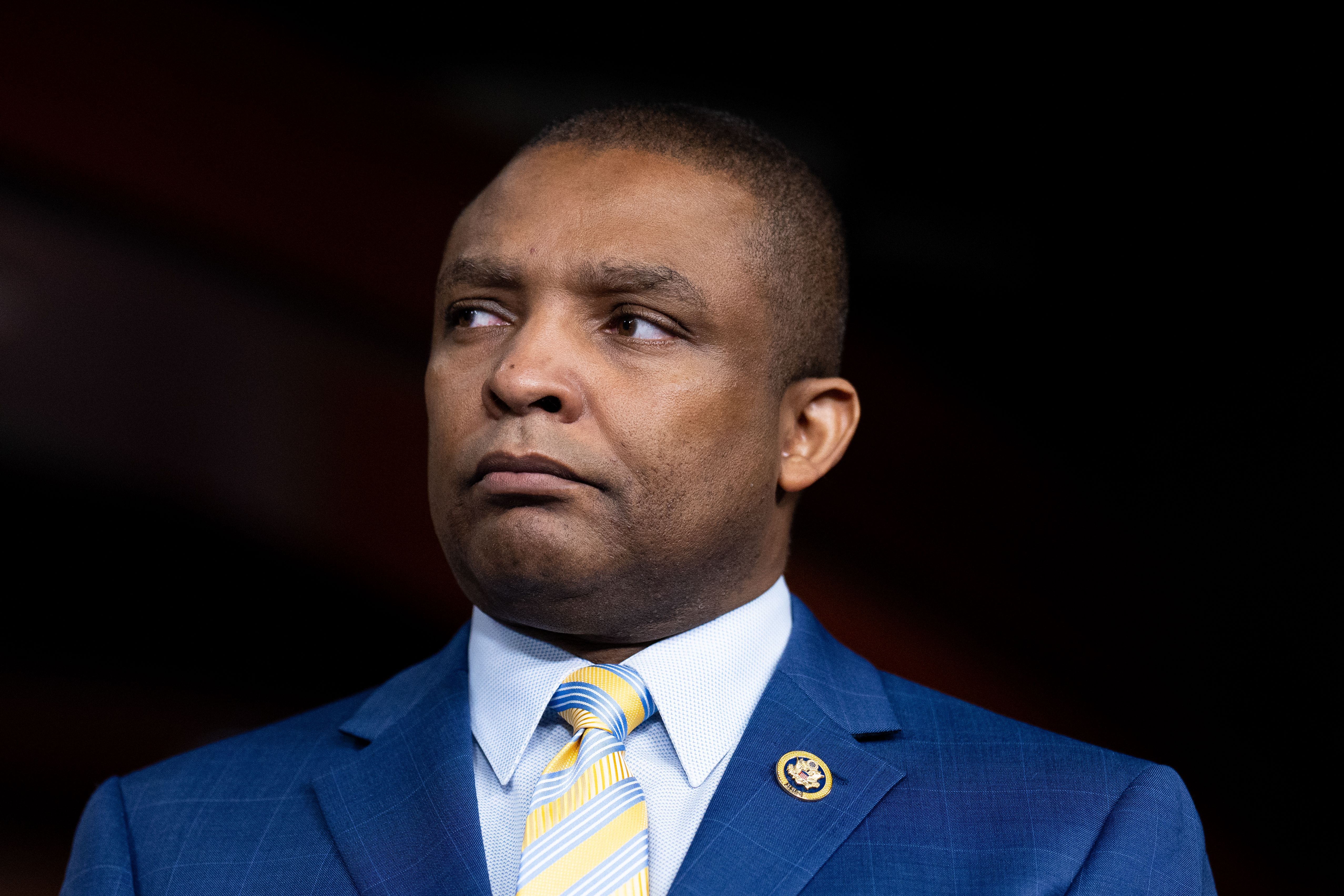
US Lawmaker Proposes Ban on Candidates Betting on Their Own Races
Representative Don Davis has introduced the No Betting on Your Own Race Act, seeking to penalize federal candidates who trade prediction market contracts tied to their own election outcomes. The legislation aims to curb potential insider trading and market interference by candidates, their families, and campaign committees.

Coalition of 200 Groups Battles Permitting Bill Over Species Protections
A coalition of 215 environmental organizations is urging Congress to block the Bipartisan American Affordability and Jobs Act of 2026. The groups argue the legislation, introduced last week by a bipartisan Senate quartet, contains sweeping provisions that would dismantle critical federal protections for endangered species under the guise of infrastructure reform.

UK Selects Six Banks for Maiden Digital Gilt Issuance
The British government has tapped six major financial institutions to spearhead its inaugural digital bond issuance, targeting a pilot launch in early 2027. This initiative, known as DIGIT, marks a pivotal move to test distributed ledger technology within the state's debt management framework via the Digital Securities Sandbox.

Base Vault Exploit Reveals Dangerous Disclosure Gap
An unidentified vault on the Base network lost $6 million in wstETH after a malicious contract bypassed security, exposing a critical failure in vulnerability reporting. With the vault’s operators remaining silent and anonymous, security researchers are left without a clear path to disclose flaws or intervene without facing potential legal consequences.

ICE Procures Shock Gloves Despite Internal Army Evidence of Intense Pain
A US Army study revealed that shock-delivery gloves—the same technology recently purchased by Immigration and Customs Enforcement for $17 million—inflict intense pain and leave subjects in a state of excessive fear. Despite these findings, the agency maintains that the 6,000 units will serve as a low-impact de-escalation tool.
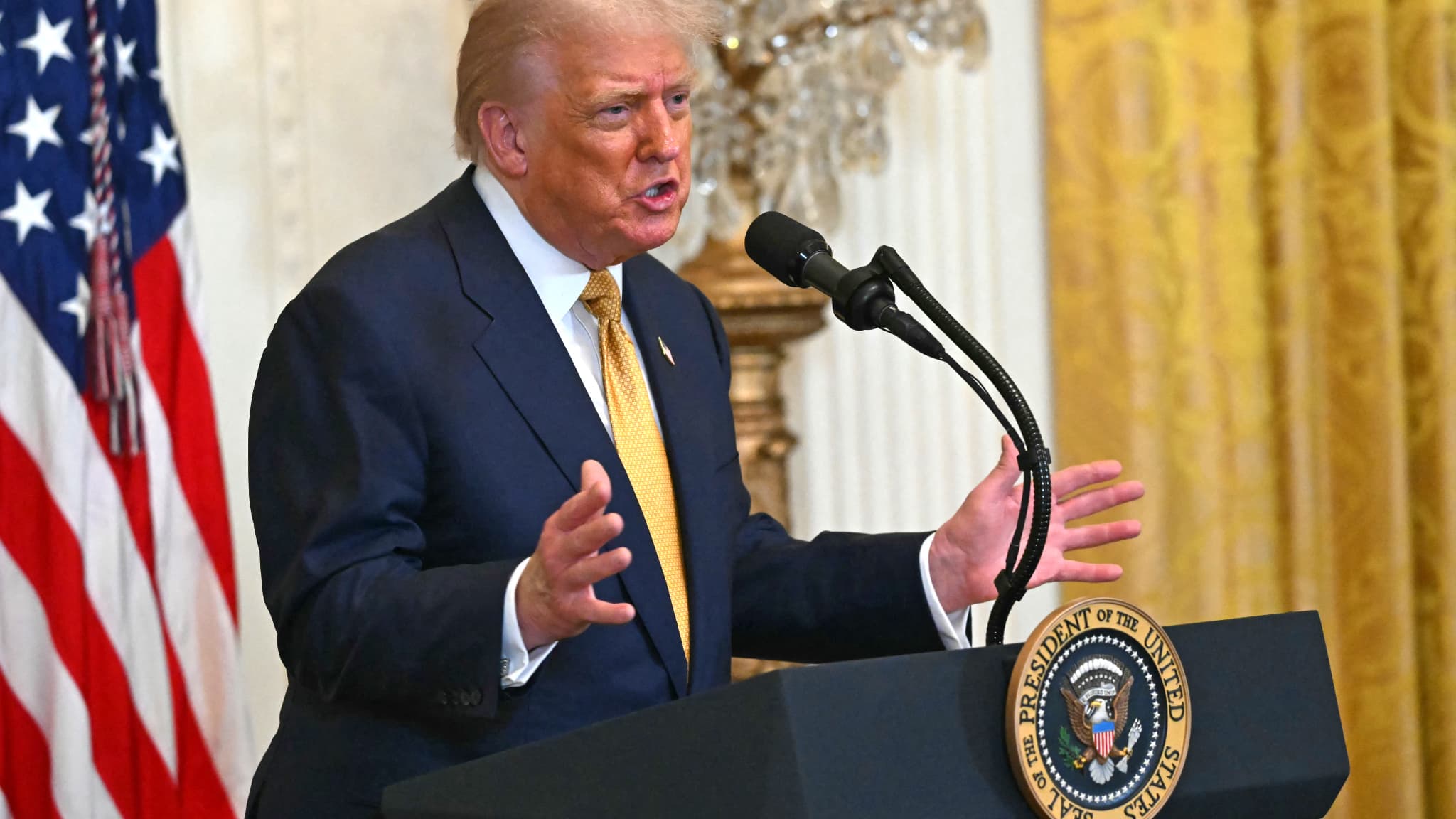
Trump Rejects International Election Observers Amid Oversight Concerns
The Trump administration has refused to invite international observers from the Organization for Security and Cooperation in Europe to monitor the upcoming midterms, sparking widespread criticism. The decision leaves the United States in the company of only Russia and Belarus in barring the organization’s long-standing election oversight mission.

Winklevoss Asset Services Files for Nasdaq-Listed Zcash ETF
Winklevoss Asset Services has submitted an S-1 registration with the U.S. Securities and Exchange Commission to launch a spot Zcash ETF on Nasdaq. The proposed fund, trading under the ticker WINK, aims to provide institutional and retail investors with direct exposure to ZEC tokens as the asset trades above $1,376.

French Students Face Police Violence Amid Nationwide Education Protests
Riot police and student protesters clashed violently across France this week, leaving dozens of teenagers with severe injuries as a nationwide mobilization against education austerity intensified. Over 6,000 people have been arrested since late September, with Amnesty International condemning the government's use of disproportionate force against minors.

Report links soaring US water costs to private utility expansion
For-profit water corporations are charging typical American households 67% more than public systems, according to new research from Food & Water Watch. As utility bills outpace inflation and household income, advocates are pushing for a federal and local crackdown on the privatization of essential water infrastructure.
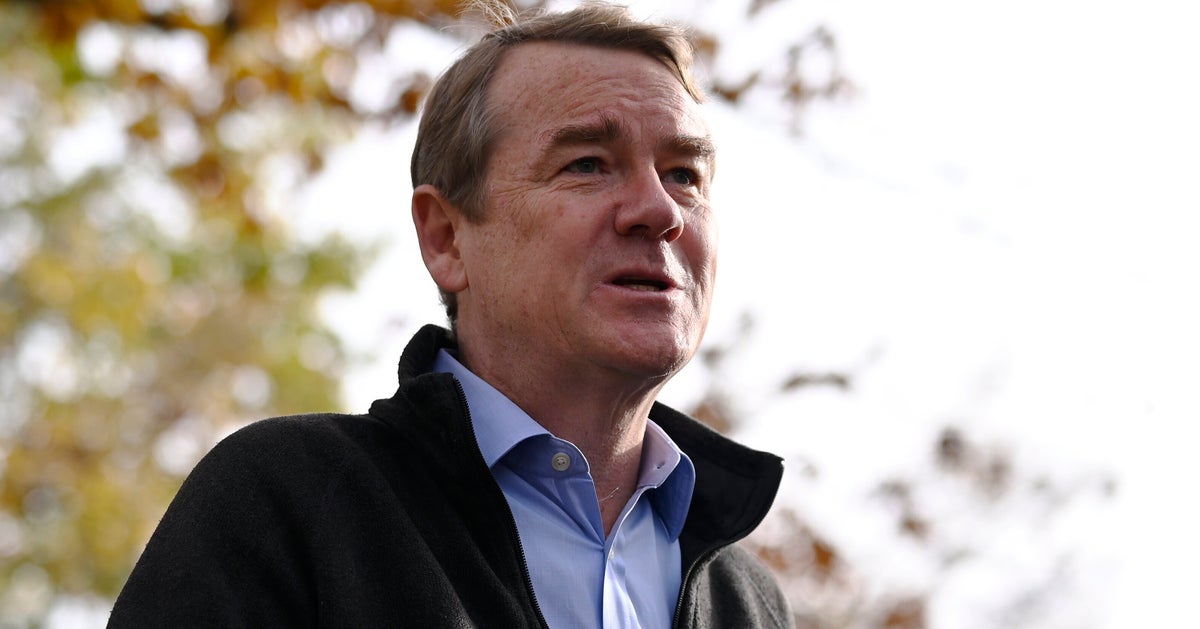
Senator Michael Bennet Calls Democratic Establishment a Failed Enterprise
Sen. Michael Bennet, a Colorado Democrat long aligned with his party's establishment, has delivered a sharp critique of its recent trajectory. In a candid interview, the veteran lawmaker labeled the institutional Democratic Party a failed enterprise, citing its inability to win two consecutive national elections against Donald Trump.

Brevan Howard Taps Ripple Prime for Institutional Brokerage Services
Brevan Howard, a fund manager overseeing approximately $35 billion, has expanded its partnership with Ripple to utilize Ripple Prime for multi-asset brokerage, clearing, and financing. This agreement integrates Ripple’s infrastructure into Brevan Howard’s operations, bridging the gap between traditional financial markets and digital asset ecosystems for the firm’s investment teams.
Bitcoin Recovery Stalls as ETF Demand Cools Near Break-Even
Bitcoin’s climb toward the $90,000 threshold has hit a wall, stalling below $87,722 as weekly spot ETF inflows plummeted by roughly 90% to $241.1 million. Analysts at Bitfinex attribute the lethargy to investors pulling back as they reach their average break-even price after months of holding underwater positions.

New York Declares Measles Emergency Amid Historic US Outbreak
With national measles cases exceeding 3,900 this year—the highest figure since 1991—New York Governor Kathy Hochul declared a statewide emergency on Monday. The move mirrors a deepening crisis in neighboring Pennsylvania, where infections have surpassed 1,000 and five deaths have been recorded since the outbreak began in April.

Trump Attacks NYC Mayoral Victor Zohran Mamdani
Following his victory in the New York City Democratic mayoral primary, socialist candidate Zohran Mamdani faced a sharp rebuke from Donald Trump. The president took to Truth Social to label the candidate a "100% Communist Lunatic," signaling a heightened focus on the progressive platform that propelled Mamdani to his primary win.
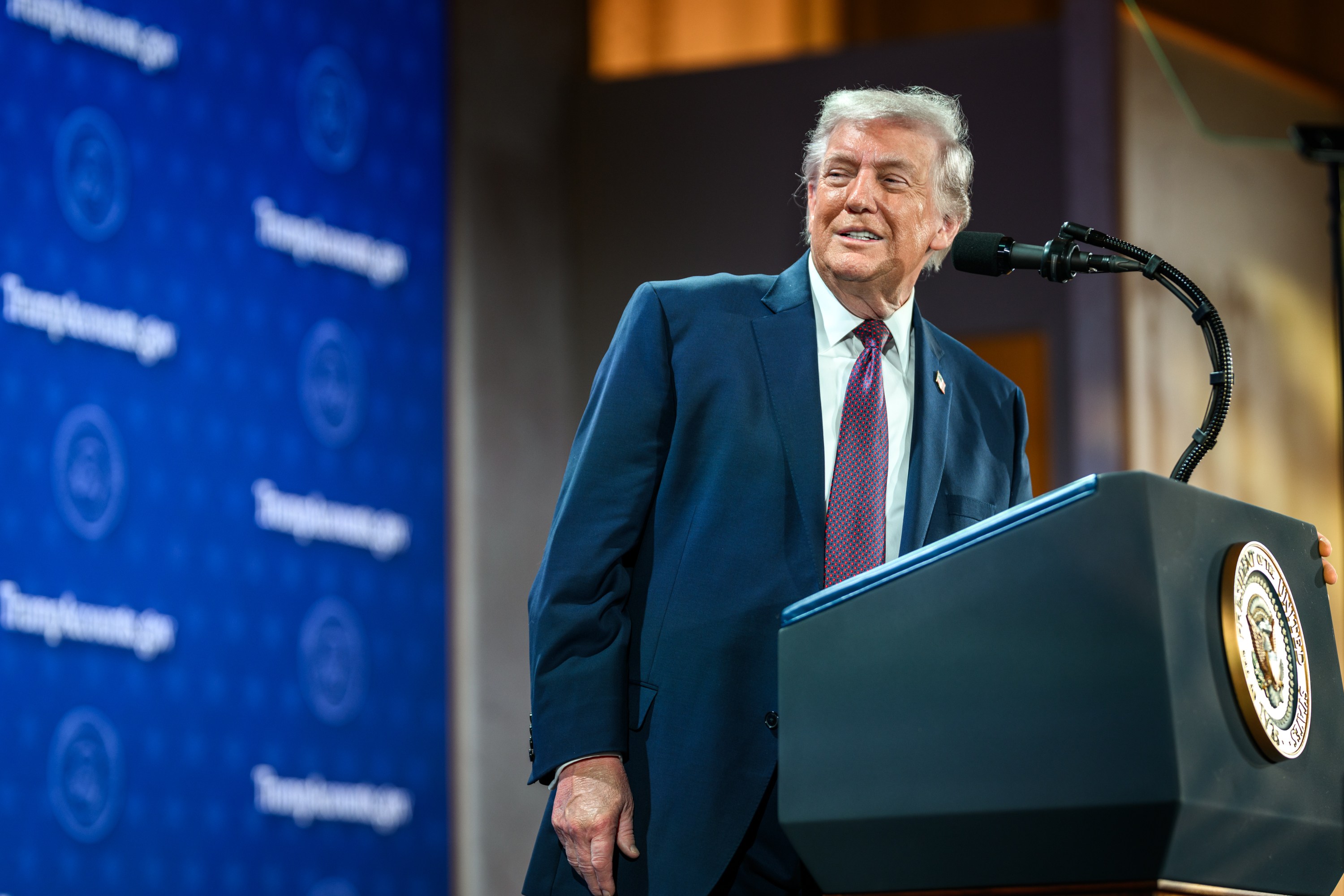
Trump Federalizes California National Guard Following LA ICE Protests
President Donald Trump has federalized 2,000 California National Guard troops to protect federal immigration agents in Los Angeles, a move that bypassed local authorities and drew immediate condemnation from state leaders who labeled the deployment an inflammatory escalation of civil unrest following a weekend of intense street protests.
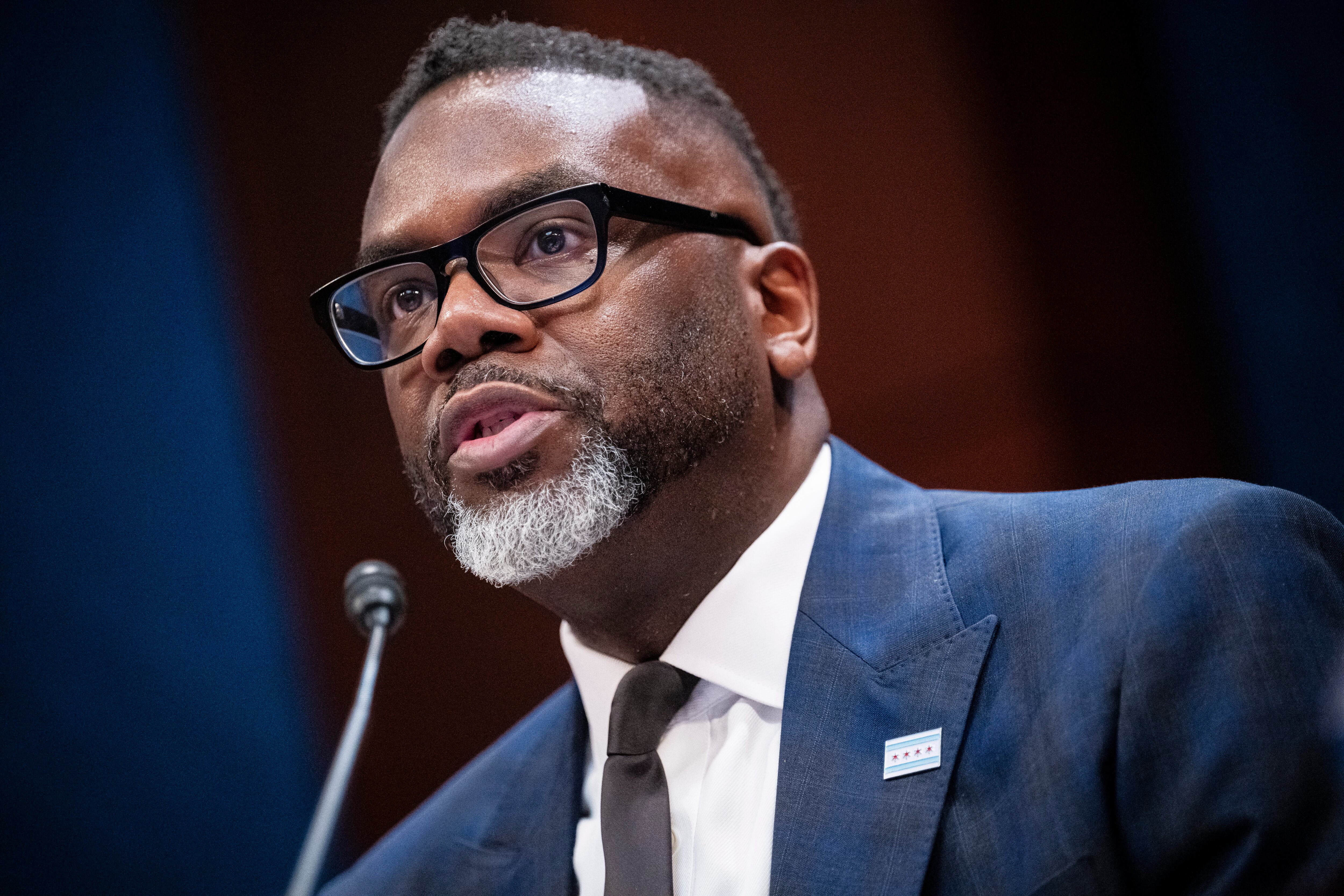
Chicago Mayor Issues Executive Order to Counter Federal Troop Deployment
Facing credible reports of an imminent federal crackdown, Chicago Mayor Brandon Johnson signed an executive order Saturday to block the deployment of military and immigration agents in the city. The move aims to shield local residents from what the mayor describes as an unconstitutional federal overreach and militarized occupation.
California Leaders Denounce Trump’s Suggestion of Attacks on U.S. Cities
California’s political leadership erupted in outrage after President Donald Trump suggested at a Nebraska rally that he would not object to Iranian military strikes against Los Angeles and San Diego. The remarks, which drew cheers from his supporters, framed the potential destruction of these major cities as a necessary sacrifice.

Whistleblower Alleges White House Directed FBI to Target Protesters
A former FBI intelligence analyst has filed a formal complaint alleging the Trump administration pressured the agency to investigate American citizens exercising their First Amendment rights. Jill Fields, formerly of the FBI’s Los Angeles Field Office, claims this political interference specifically targeted protesters demonstrating against federal immigration enforcement operations.
Bernie Sanders Challenges Sam Altman Over AI's 'Acceptable' Risks
Following OpenAI CEO Sam Altman’s suggestion that society must tolerate negative outcomes to reap the rewards of artificial intelligence, Senator Bernie Sanders has demanded a specific accounting of those costs. The lawmaker questioned whether the public is expected to accept mass unemployment, surveillance, or even global extinction as collateral damage.

OKX Secures Strategic Capital from Circle, Ripple and Standard Chartered
A coalition of financial heavyweights including Circle, Ripple, and Standard Chartered’s SC Ventures has joined an ongoing funding round for OKX. The investment confirms a $25 billion valuation for the exchange, signaling a deepening convergence between traditional institutional infrastructure and digital asset trading platforms.

Ethereum Deploys Glamsterdam Upgrade to Sepolia Testnet
Ethereum’s Glamsterdam upgrade arrived on the Sepolia testnet on October 6, initiating a critical public trial for the network’s 2026 scaling roadmap. The deployment shifts focus toward testing a 200 million gas limit and architectural changes intended to overhaul how blocks are constructed, validated, and processed.

OKX Debuts Standalone App for Stablecoin Savings and Payments
Targeting users with little to no experience in digital assets, OKX has launched a standalone application designed to bridge traditional finance with stablecoins. The platform, OKX Money, allows customers across selected emerging markets to fund accounts with over 50 currencies and spend via integrated virtual and physical payment cards.

Washington Activists Push for Statewide AI Data Center Moratorium
Hundreds of protesters across 19 Washington cities mobilized on Sunday, demanding a state-level moratorium on new hyperscale data centers. The coordinated day of action, organized by the Washington AI Resistance, seeks to curb the environmental and social impacts of facilities that critics argue prioritize corporate profit over essential public resources.

Cardano Breaks Trendline as Futures Interest Surges 25%
Cardano’s ADA is testing the $0.28 resistance zone after a sharp weekly rally, with on-chain data signaling that the recent price momentum is driven by new leveraged positions rather than a short squeeze. The token climbed to $0.279 on October 6, buoyed by a spike in whale activity and renewed interest.

Walmart faces scrutiny over patent trail for AI-driven price manipulation
A new report from the Groundwork Collaborative challenges Walmart’s recent denials regarding predatory pricing, revealing a collection of patents aimed at monitoring consumer behavior. The findings suggest the retail giant is building a sophisticated infrastructure to track shoppers and potentially adjust prices based on individual habits and personal data.