All news
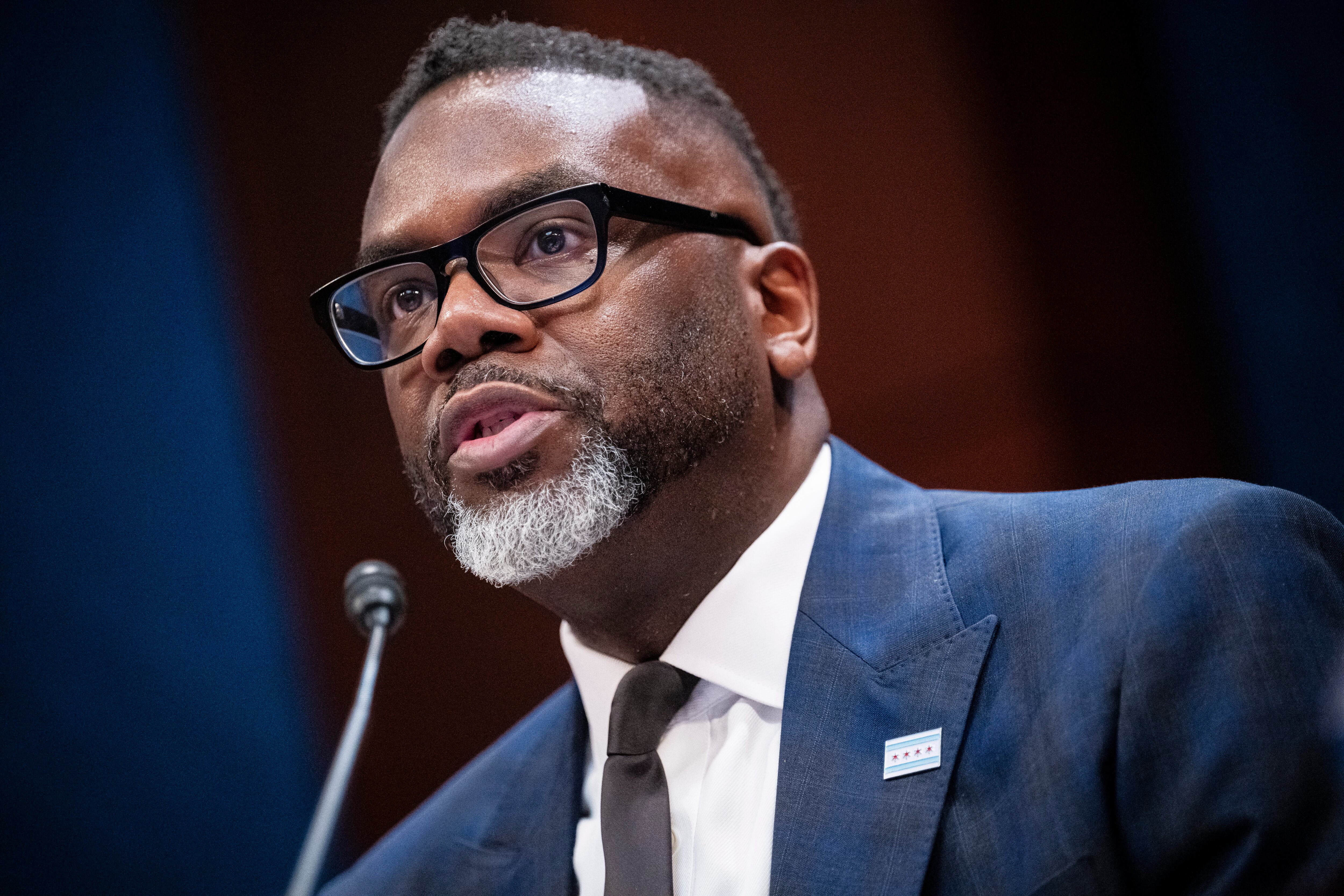
Chicago Mayor Issues Executive Order to Counter Federal Troop Deployment
Facing credible reports of an imminent federal crackdown, Chicago Mayor Brandon Johnson signed an executive order Saturday to block the deployment of military and immigration agents in the city. The move aims to shield local residents from what the mayor describes as an unconstitutional federal overreach and militarized occupation.
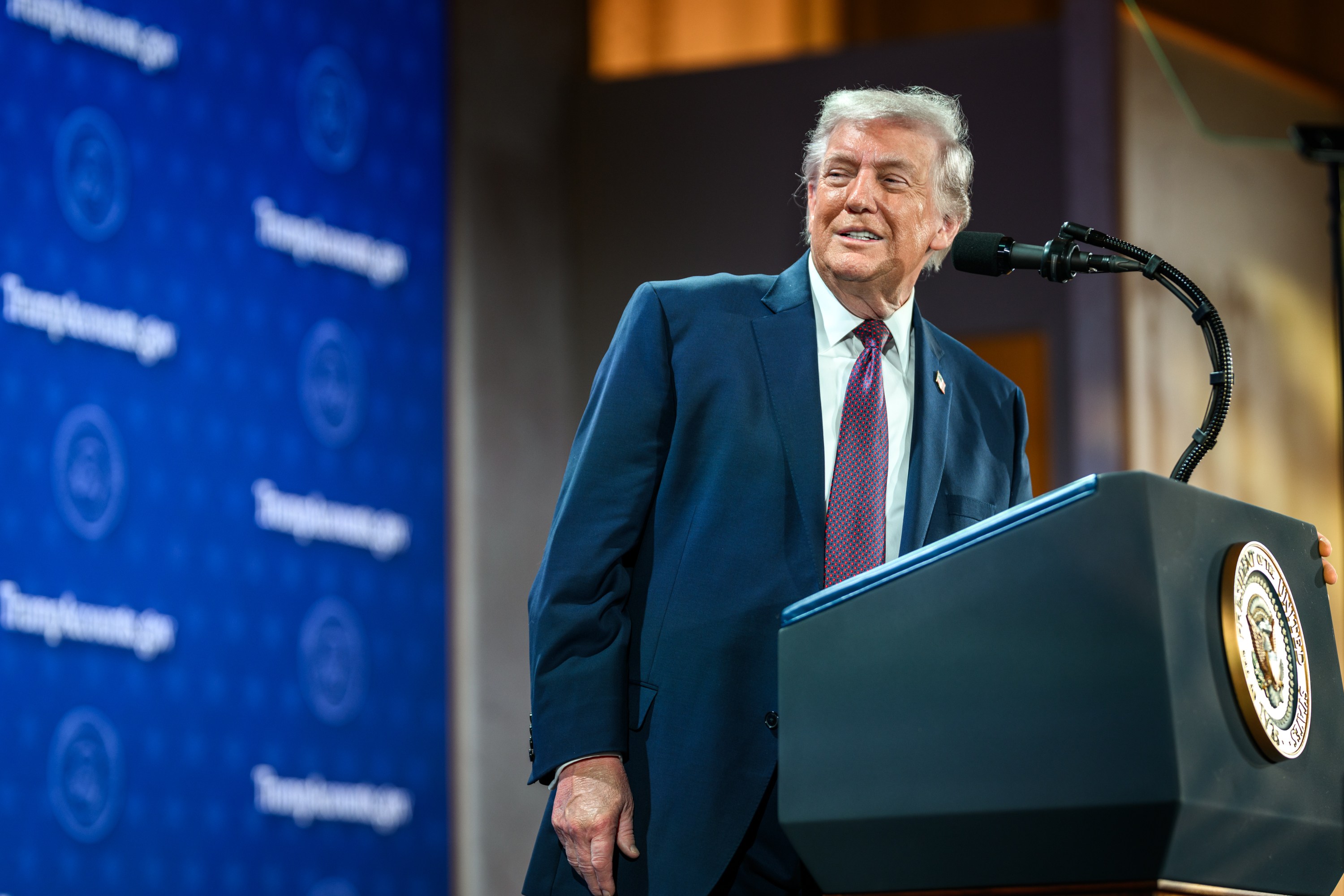
California Leaders Denounce Trump’s Suggestion of Attacks on U.S. Cities
California’s political leadership erupted in outrage after President Donald Trump suggested at a Nebraska rally that he would not object to Iranian military strikes against Los Angeles and San Diego. The remarks, which drew cheers from his supporters, framed the potential destruction of these major cities as a necessary sacrifice.

Whistleblower Alleges White House Directed FBI to Target Protesters
A former FBI intelligence analyst has filed a formal complaint alleging the Trump administration pressured the agency to investigate American citizens exercising their First Amendment rights. Jill Fields, formerly of the FBI’s Los Angeles Field Office, claims this political interference specifically targeted protesters demonstrating against federal immigration enforcement operations.
Bernie Sanders Challenges Sam Altman Over AI's 'Acceptable' Risks
Following OpenAI CEO Sam Altman’s suggestion that society must tolerate negative outcomes to reap the rewards of artificial intelligence, Senator Bernie Sanders has demanded a specific accounting of those costs. The lawmaker questioned whether the public is expected to accept mass unemployment, surveillance, or even global extinction as collateral damage.

OKX Secures Strategic Capital from Circle, Ripple and Standard Chartered
A coalition of financial heavyweights including Circle, Ripple, and Standard Chartered’s SC Ventures has joined an ongoing funding round for OKX. The investment confirms a $25 billion valuation for the exchange, signaling a deepening convergence between traditional institutional infrastructure and digital asset trading platforms.

Ethereum Deploys Glamsterdam Upgrade to Sepolia Testnet
Ethereum’s Glamsterdam upgrade arrived on the Sepolia testnet on October 6, initiating a critical public trial for the network’s 2026 scaling roadmap. The deployment shifts focus toward testing a 200 million gas limit and architectural changes intended to overhaul how blocks are constructed, validated, and processed.

OKX Debuts Standalone App for Stablecoin Savings and Payments
Targeting users with little to no experience in digital assets, OKX has launched a standalone application designed to bridge traditional finance with stablecoins. The platform, OKX Money, allows customers across selected emerging markets to fund accounts with over 50 currencies and spend via integrated virtual and physical payment cards.

Washington Activists Push for Statewide AI Data Center Moratorium
Hundreds of protesters across 19 Washington cities mobilized on Sunday, demanding a state-level moratorium on new hyperscale data centers. The coordinated day of action, organized by the Washington AI Resistance, seeks to curb the environmental and social impacts of facilities that critics argue prioritize corporate profit over essential public resources.

Cardano Breaks Trendline as Futures Interest Surges 25%
Cardano’s ADA is testing the $0.28 resistance zone after a sharp weekly rally, with on-chain data signaling that the recent price momentum is driven by new leveraged positions rather than a short squeeze. The token climbed to $0.279 on October 6, buoyed by a spike in whale activity and renewed interest.

Walmart faces scrutiny over patent trail for AI-driven price manipulation
A new report from the Groundwork Collaborative challenges Walmart’s recent denials regarding predatory pricing, revealing a collection of patents aimed at monitoring consumer behavior. The findings suggest the retail giant is building a sophisticated infrastructure to track shoppers and potentially adjust prices based on individual habits and personal data.

Spiko Raises $90 Million as Tokenized Assets Reach $2.7 Billion
London and Paris-based Spiko has secured $90 million in a Series B funding round led by New Enterprise Associates. The capital infusion follows a period of rapid growth for the fintech, which now manages $2.7 billion in tokenized cash funds across more than 25 global jurisdictions.

Solana Unveils Open-Source Tool for Institutional Asset Settlement
The Solana Foundation has released an open-source delivery-versus-payment program designed to enable financial institutions to exchange tokenized assets and payments in a single atomic transaction. By automating the settlement process, the infrastructure aims to reduce timeframes from several days to mere seconds, potentially streamlining institutional operations on the blockchain.

Ondo Finance launches tokenized exposure to private AI firms
Ondo Finance has introduced Ondo Private Markets, a platform allowing eligible non-U.S. investors to trade tokenized notes linked to the valuation of private companies. The service debuts this week with a focus on an unnamed pre-IPO artificial intelligence firm, enabling 24/7 secondary market trading for token holders.

BitGo Pivots to Prime Brokerage to Drive Institutional Revenue
BitGo CEO Mike Belshe is steering the crypto custodian toward an ambitious future where prime brokerage services account for the company’s entire revenue stream. By bundling trading, lending, and settlement into a single platform, the firm aims to move past the era of charging clients solely for digital asset storage.
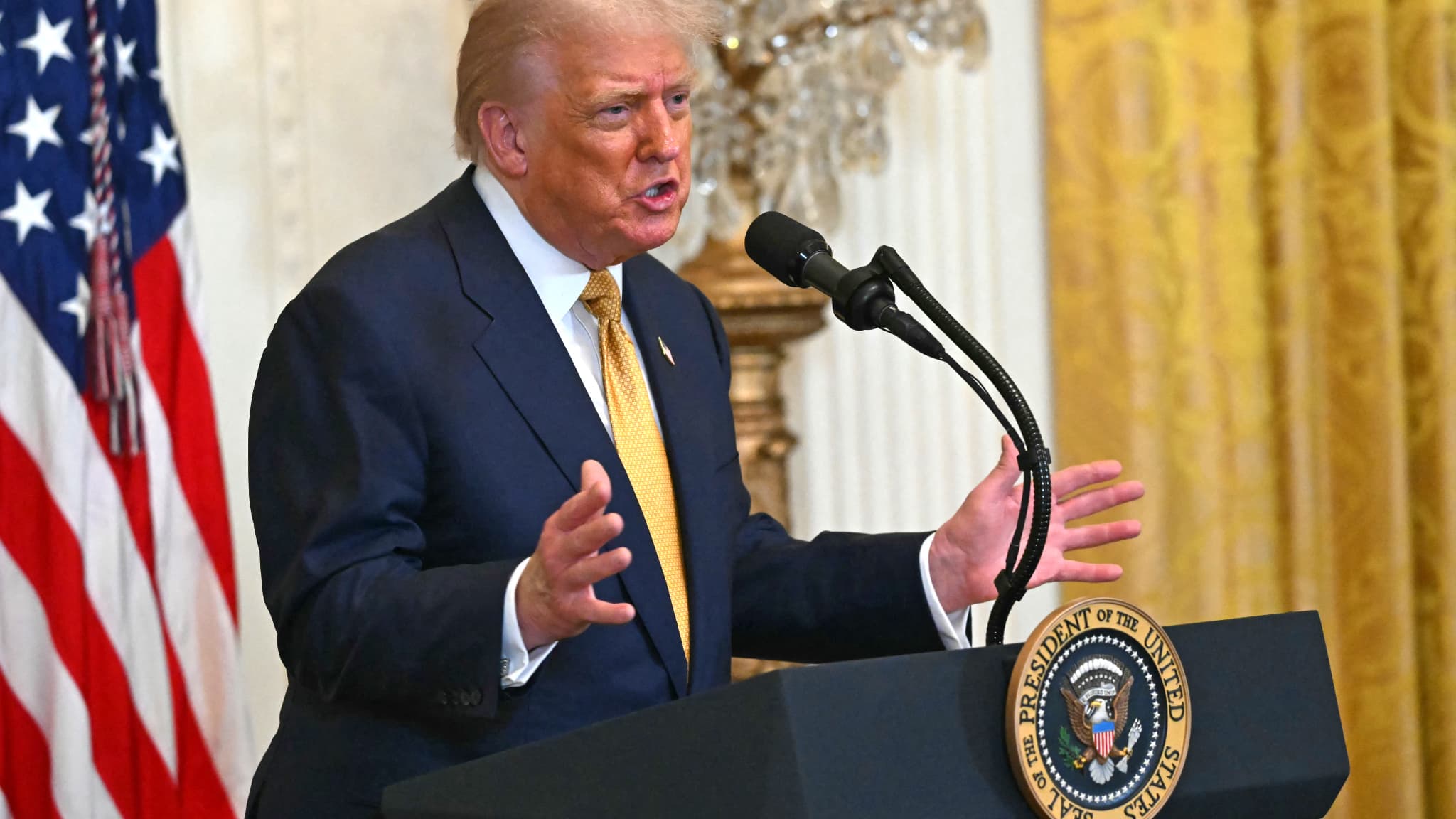
Trump Shifts Ad Funding to Super PAC Amid Legal Scrutiny
Facing mounting pressure over the misuse of public funds, Donald Trump announced Monday he would pivot from using taxpayer money to finance campaign advertisements, opting instead to rely on his super PAC, MAGA Inc.—a move that ethics watchdogs immediately flagged as a potential secondary violation of federal election law.

Samsung Patents Smart Contract Wallet to Simplify Crypto Transactions
Samsung Electronics has filed for a U.S. patent detailing a digital asset wallet system that offloads transaction authentication to smart contracts. By shifting this process away from individual devices, the proposed architecture allows smartphones, wearables, and home appliances to initiate transfers without directly storing or handling private keys.

Parataxis Ethereum Scraps Korea Merger Over Delisting Risks
Conflict defines the collapse of the proposed merger between Parataxis Ethereum and Parataxis Korea, as boards terminated the deal to escape the fallout of a bitter legal battle with the Korea Exchange. The decision effectively halts a complex consolidation intended to simplify the group’s corporate structure.

Rialo targets South Korean financial firms for onchain expansion
Rialo is moving to integrate blockchain infrastructure into traditional finance, initiating proof of concept discussions with South Korean institutions. The network aims to bridge the gap between legacy systems and decentralized applications by prioritizing native web connectivity and privacy tools over immediate token issuance.
Ethereum Economic Zone Completes First Atomic L1-to-L2 Transaction
The Ethereum Economic Zone (EEZ) framework has successfully executed its first atomic transaction between the mainnet and a layer-2 network. By bundling operations across execution layers, the test demonstrated a potential path toward synchronous composability, allowing actions to either complete or revert collectively rather than remaining fragmented across disparate bridge infrastructures.

Bitget Hack Laundering Generates Over $760,000 in Protocol Fees
The massive $387.5 million theft from Bitget has inadvertently turned into a lucrative revenue stream for decentralized finance protocols. Independent researcher Andrey Sergeenkov found that various services collected $761,725 in transaction fees while processing the movement and exchange of assets stolen during the late September security breach.
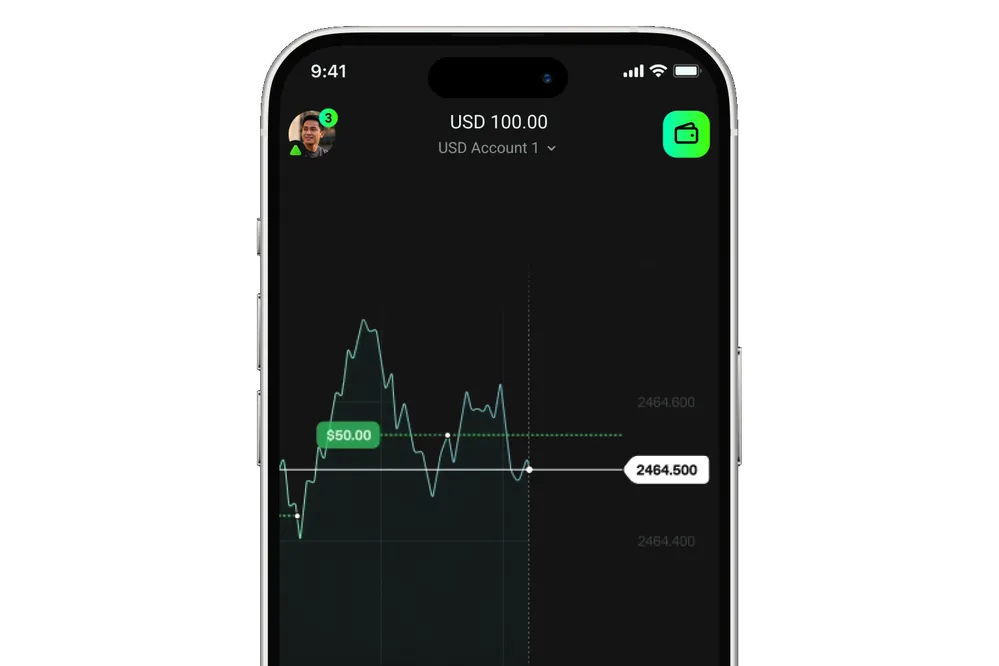
Virtuals Protocol tests iOS app for AI-driven automated trading
Virtuals Protocol has launched a closed-beta iOS application that grants personal AI agents direct access to user wallets and market data. By utilizing natural language instructions, testers can now authorize autonomous systems to monitor market conditions and execute trades within predefined financial boundaries.

UHNW Institute Updates Framework for Integrated Family Advice
The UHNW Institute is standardizing how advisors approach ultra-high-net-worth clients through its updated Table Stakes framework. By visualizing client needs as a tabletop supported by firm, advisor, service, and process pillars, the think tank aims to bridge the gap between providing personalized intimacy and maintaining institutional scale.

The Strategic Rise of Defence and Space Tech Portfolios
Global wealth managers are recalibrating portfolios as the intersection of national security, aerospace engineering, and cybersecurity evolves into a core investment theme. With geopolitical tensions driving record procurement budgets, capital is flowing into specialized funds that treat space and defence as integrated, high-growth domains.

Weatherbys Private Bank Hires Coutts Veteran to Lead Entertainment Arm
Matt Wotton, a seasoned executive formerly responsible for the sports, media, and entertainment division at Coutts, has joined Weatherbys Private Bank to oversee the same sector. His transition to the horse-racing-linked institution arrives as wealth managers increasingly target the complex financial needs of high-profile industry figures.

Neil De Sousa Takes Helm at Schroders Wealth Management
Neil De Sousa has officially assumed his role as head of Schroders Wealth Management for Geneva and the Middle East. Formerly a senior leader at HSBC Private Bank, De Sousa joins the firm during a period of structural evolution following its integration with the US-based investment manager Nuveen.

DWS and Hawksford Expand European Footprint Through Acquisitions
DWS has moved to bolster its real estate platform by acquiring Peakside Capital Advisors, while Jersey-based Hawksford finalized the purchase of two Dutch firms. These deals signal an aggressive push by both wealth managers to scale their specialized services and geographic reach across Germany, the Netherlands, and Central Europe.
Polymarket Readies Protocol V2 for November Rollout
Polymarket has launched production testing for its Protocol V2, a significant infrastructure overhaul designed to replace the platform's aging 2019-era Gnosis framework. The transition, which begins with a canary release period, aims to standardize market creation through a unified ERC-1155 position system and modular oracle settlement.

Ethereum tests 200 million gas limit on Sepolia testnet
Ethereum developers are pushing network capacity to its limits, initiating a 200 million gas ceiling on the Sepolia testnet under the Glamsterdam upgrade. This public stress test aims to determine whether validators can maintain stability while processing more than triple the current 60 million gas block capacity.

Binance Refines On-Chain Stock Conversion Features
Binance is re-emphasizing its bStocks feature, allowing eligible users to convert traditional equity positions into tokenized versions at a 1:1 ratio. While the mechanism enables round-the-clock trading and wallet withdrawals, the tokens function as certificates rather than direct company shares, leaving legal ownership rights outside the hands of token holders.

Rain Seeks Federal Trust Charter Amid Looming Banking Lawsuit
Rain has formally applied to the Office of the Comptroller of the Currency to establish a national trust bank, positioning itself to custody digital assets and issue stablecoins. The move lands just days after community bankers launched a federal lawsuit challenging the very regulatory framework supporting such crypto-focused charters.