All news

Jewish American Activists Mount Unprecedented Protest Over Gaza War
From Grand Central Station to congressional offices, Jewish peace activists are orchestrating what organizers describe as the largest mass mobilization for Palestinian rights in United States history. The wave of demonstrations reflects a growing, vocal fracture within the American Jewish community over the military campaign in Gaza.
Election Experts Brace for Trump’s Vague 'Midterm Surprise'
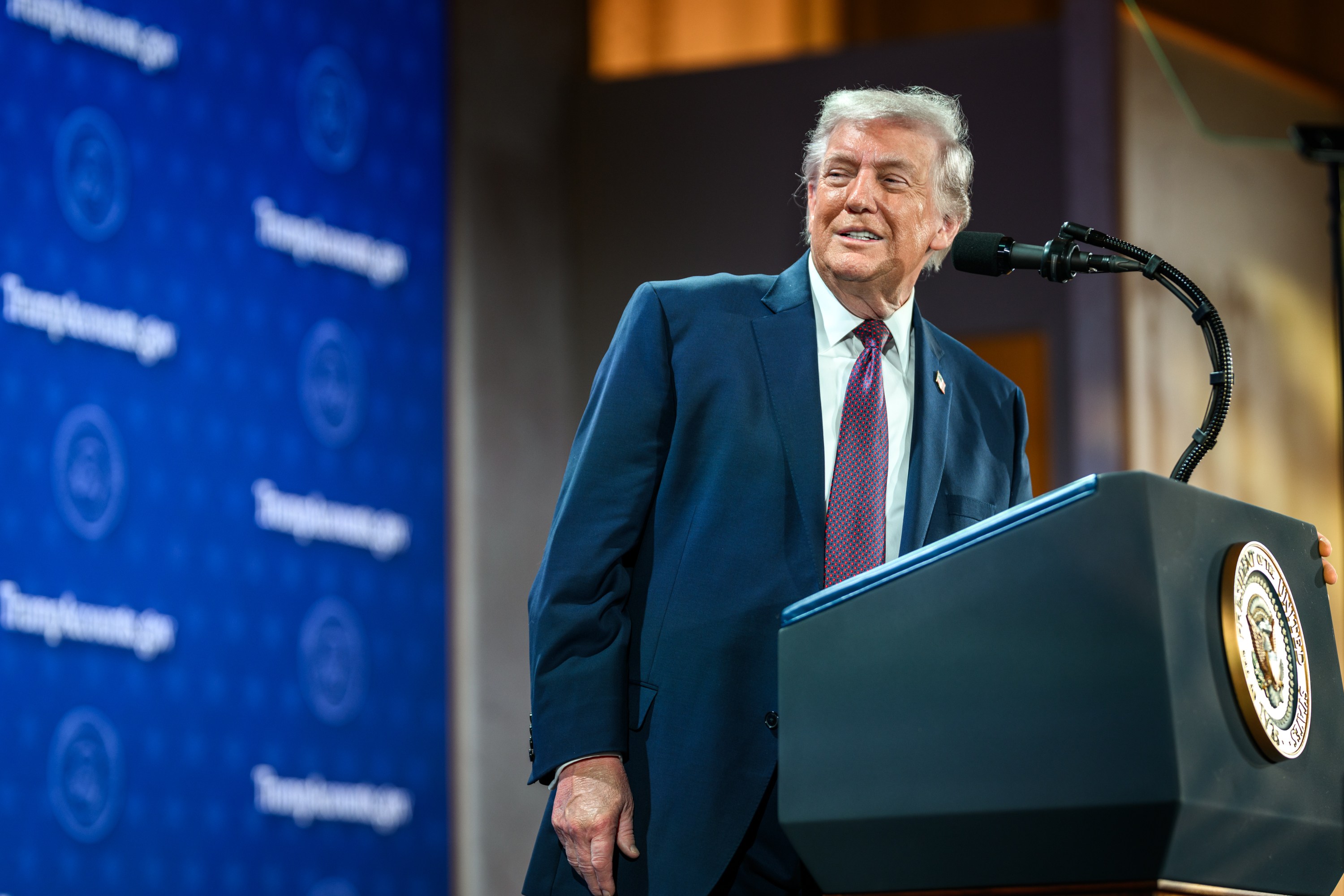
With the 2026 midterm elections less than a month away, President Donald Trump is teasing an impending "surprise," sparking intense alarm among democracy advocates who fear a final, desperate attempt to subvert projected Republican losses through federal overreach or the weaponization of government agencies.

Bolivia Severs Ties With Israel as Regional Diplomatic Backlash Grows
Citing crimes against humanity in the Gaza Strip, Bolivia became the first nation to formally break diplomatic relations with Israel this week. The move triggered a wider regional shift as the governments of Chile, Colombia, and Jordan recalled their ambassadors in protest of the ongoing military campaign.
HRW Report: Trump’s 'Board of Peace' Fails Gaza Amid Escalating Crisis
Six months into the tenure of Donald Trump’s 'Board of Peace,' the initiative has failed to secure the promised stability for Gaza. Instead, residents continue to face systematic deprivation, medical collapse, and ongoing violence, contradicting the board's optimistic progress reports ahead of its upcoming briefing to the United Nations Security Council.

Trump Administration Floats High-Tech Redevelopment Plan for Gaza
A 38-page prospectus circulating within the White House outlines a vision to transform Gaza into a high-tech Mediterranean hub, complete with AI-powered smart cities and luxury resorts. The proposal, dubbed the GREAT Trust, seeks to replace the war-torn territory with a privately-funded economic zone and a US-led multilateral administration.

International Medical Workers Accuse Israel of Deliberate Assault on Gaza
More than 120 international medical professionals who served in Gaza since late 2023 have issued a scathing open letter, denouncing what they describe as a calculated campaign by the Israeli military to destroy the territory's healthcare infrastructure and systematically target its medical workforce through violence, detention, and forced starvation.
Knesset Conference Openly Advocates for Gaza Annexation and Removal
Far-right Israeli politicians and settler organizations gathered at the Knesset on Tuesday to promote a formal plan for the complete annexation of the Gaza Strip and the mass expulsion of its Palestinian population, signaling a sharp shift in the nation’s political mainstream regarding the enclave's future.
Record Number of Aid Workers Killed as Gaza Conflict Drives Global Toll
The United Nations confirmed that 383 humanitarian workers were killed in 2024, a 31% increase from the previous year. Nearly half of these deaths occurred in Gaza, where relentless bombardment and the systematic targeting of aid personnel have created what UN officials describe as a shameful indictment of international inaction.

Advocates Demand International Media Access to Gaza Following Ceasefire
Following the start of a fragile ceasefire in Gaza, press freedom organizations and civil rights groups are intensifying pressure on international news outlets to secure direct, unsupervised access to the territory. They argue that reporting from the ground is essential to document the human cost of a two-year conflict.
Gaza Doctors Describe the Trauma of Working in a Collapsed System
“We are alive, but we are not OK,” says Dr. Ruba Suliman, a physician at the Indonesian Field Hospital in Rafah. Her testimony is part of a harrowing collection of reports released by Médecins Sans Frontières this week, detailing a healthcare landscape defined by constant bombardment and the total absence of basic medical supplies.

UN Expert Warns Gaza Destruction Continues Into Fourth Year
As the conflict enters its fourth year, Francesca Albanese, the United Nations special rapporteur for the occupied Palestinian territories, warns that the systematic destruction of Gaza remains unabated. Speaking on the anniversary of the October 7 Hamas-led attacks, she described the humanitarian reality on the ground as catastrophically beyond words.
Lancet Study Finds Gaza Death Toll Significantly Higher Than Reported
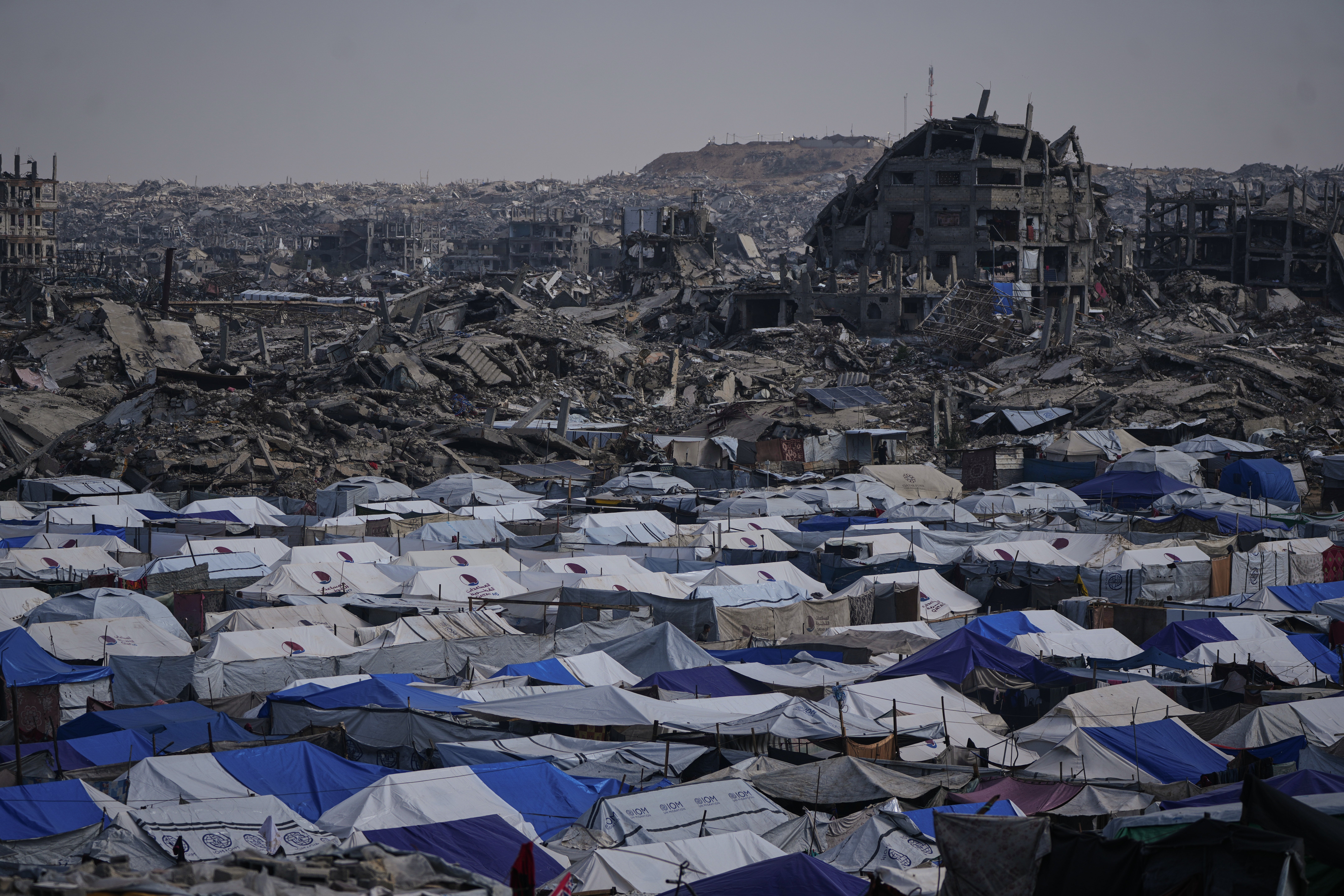
A peer-reviewed study in The Lancet Global Health reveals that more than 75,000 people were killed violently in Gaza during the first 16 months of the conflict. The findings suggest that official death tolls, while reliable, have functioned as conservative undercounts throughout the ongoing military assault.
South Africa Presents Israeli Officials' Own Words as Evidence of Genocide
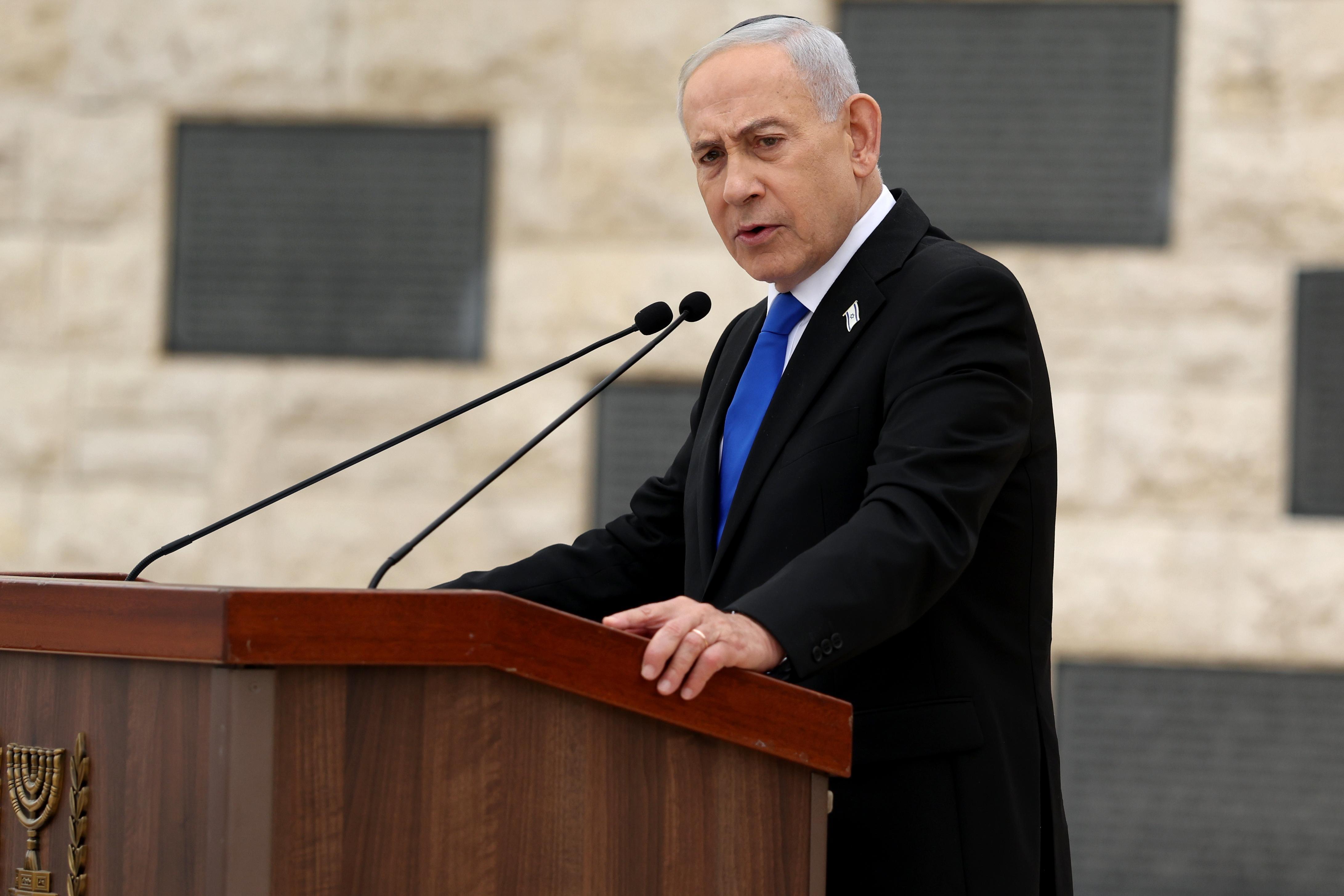
South African attorney Tembeka Ngcukaitobi challenged the International Court of Justice on Thursday to confront explicit rhetoric from Israel’s leadership. By highlighting repeated calls for destruction from high-ranking officials, the legal team argued that the state’s military actions in Gaza are driven by a clear and documented genocidal intent.

Lancet Study Estimates Gaza Death Toll Likely 41% Higher Than Reported
A peer-reviewed analysis in The Lancet suggests the official death toll in Gaza between October 7, 2023, and June 30, 2024, significantly undercounted the actual human cost of the conflict. Researchers estimate 64,260 fatalities during this period, far exceeding the 37,877 deaths recorded by the enclave’s Ministry of Health.

Sui hits 40.6 million TPS in AI-focused offchain test
Sui recorded a peak throughput of 40.6 million transactions per second during a live demonstration at the Sui Basecamp event in Singapore. The test utilized over 10,000 programmable offchain tunnels, significantly surpassing the network's July performance of 6.1 million TPS and exceeding the project's internal 20 million target.

Hypercall founder argues options must shed complexity to rival perpetuals
Hypercall founder Jake Sylvestre is pushing for a radical overhaul of options trading interfaces, arguing that platforms must simplify user decision-making to compete with the streamlined experience of perpetual futures. The venue reported $536 million in notional volume for September, a significant jump since its June launch.

Coinbase Unlocks Deribit Derivatives Access for US Institutions
Coinbase has formalized a regulated gateway for American institutional investors to access Deribit's derivatives markets, effectively bridging a gap in a sector representing 80% of global crypto trading volume. This integration, supported by recent CFTC staff relief, leverages Coinbase Financial Markets to provide a domestic intermediary for offshore perpetual futures and options.

Defense Contracts Tied to Trump Sons Top $6 Billion
More than $6 billion in Pentagon contracts have flowed to companies linked to Donald Trump Jr. and Eric Trump, sparking intense accusations of self-dealing and ethical breaches from political opponents and government watchdogs alike.
Eric Trump Faces Backlash Over Pentagon Robotics Contract
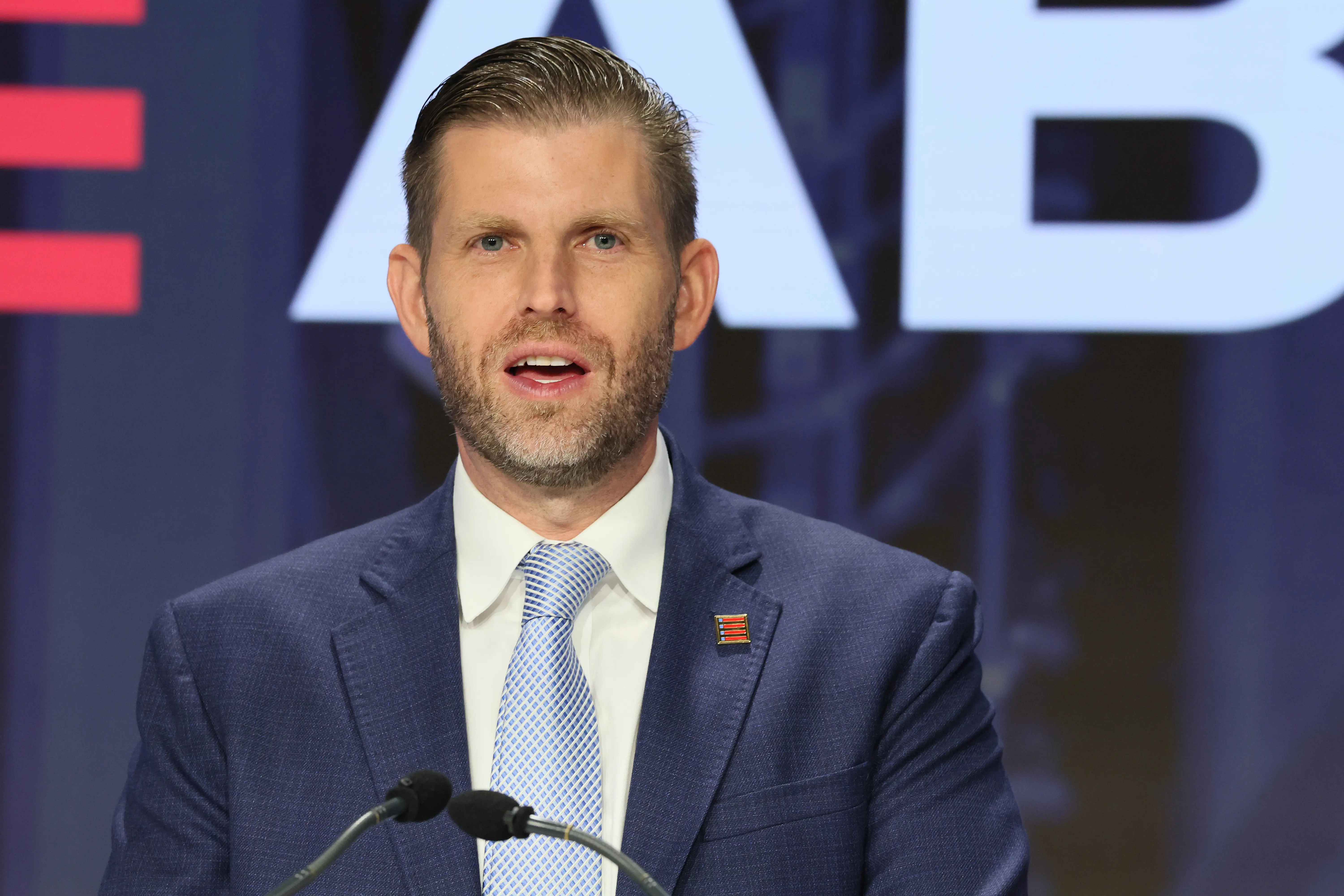
Eric Trump drew sharp criticism on Thursday after appearing on Fox Business to tout a $24 million Department of Defense contract awarded to Foundation Future Industries, a robotics firm where he serves as chief strategy adviser. The appearance has reignited accusations that the Trump family is leveraging political influence for personal gain.

Billionaire Spending Hits Record $1.7 Billion for 2026 Midterms
A staggering $1.7 billion has poured into the 2026 midterm elections from just 172 billionaire families, marking a historic surge in private political influence. New data reveals that the vast majority of these funds are bypassing traditional contribution limits by funneling directly into super PACs.
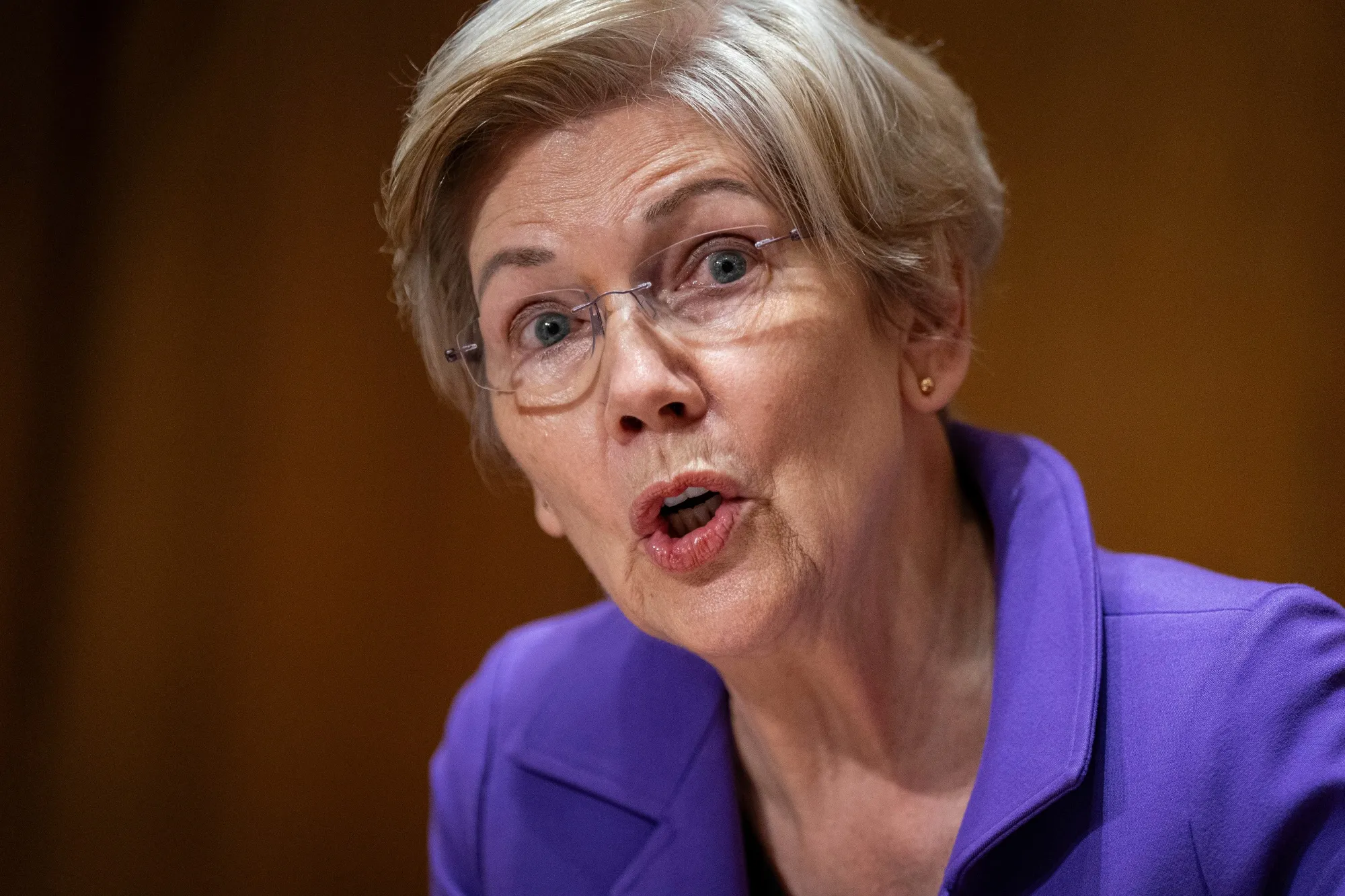
Warren Launches Tracker to Expose Costs of Trump's Economic Policy
With midterm elections approaching, Senator Elizabeth Warren has unveiled a digital tool designed to quantify the financial impact of President Donald Trump’s economic policies. The tracker highlights a 5.2% rise in cumulative inflation since December 2024, aiming to hold the administration accountable for rising costs across the American household.

Paxos Adds XRP to Brokerage Suite for Institutional Partners
Paxos has integrated XRP into its crypto brokerage platform, allowing institutional partners to offer trading, custody, and transfer services for the asset. The move opens the digital currency—which currently boasts over 8.1 million active wallets and a market capitalization nearing $95 billion—to a broader range of financial service providers.

Donald Trump Fires Attorney General Pam Bondi
President Donald Trump dismissed Attorney General Pam Bondi on Thursday, citing dissatisfaction with her management of the Jeffrey Epstein files and a perceived lack of aggression in pursuing political rivals. Bondi, who will transition to a private sector role, leaves behind a tenure marked by intense partisan friction and looming congressional subpoenas.

Gail Slater Ousted as Antitrust Chief Amid Corporate Lobbying Pressure
Gail Slater has exited her role as the top antitrust official at the U.S. Department of Justice, capping a tenure defined by persistent friction with administration leadership. While Slater framed her departure as a personal decision, reports confirm she was forced out following internal clashes over corporate merger enforcement.
Report links Trump administration policy rollbacks to corporate donations
A new investigation from the watchdog group Public Citizen suggests that financial ties to Donald Trump have become a reliable method for corporations to escape federal oversight. Since January 2025, the administration has terminated 212 enforcement actions against 205 companies, frequently favoring those that contributed to the president’s political initiatives.

Argentina Launches Citizenship by Investment Program
Argentina is set to join the global market for citizenship-by-investment programs, establishing a pathway for foreign investors to secure residency and citizenship. The initiative, slated to open for applications in late 2026, marks a significant shift toward liberal economic policies under the administration of President Javier Milei.

Family Offices Bet on AI Despite Geopolitical Jitters
Geopolitical instability is now the primary anxiety for global family offices, yet it has failed to dampen their appetite for risk. According to a JP Morgan Private Bank survey of 125 firms, investors are aggressively pouring capital into artificial intelligence, viewing the cost of missing the rally as prohibitive.

Bitcoin Struggles Near $84,000 as Analysts Debate October Rally
Bitcoin dipped below $84,000 this week after failing to sustain a breakout above $87,000, prompting a split among market observers. While some predict a surge to $100,000 fueled by shifting investor attention, others warn that current price levels remain precarious without consistent spot buying and favorable macroeconomic data.
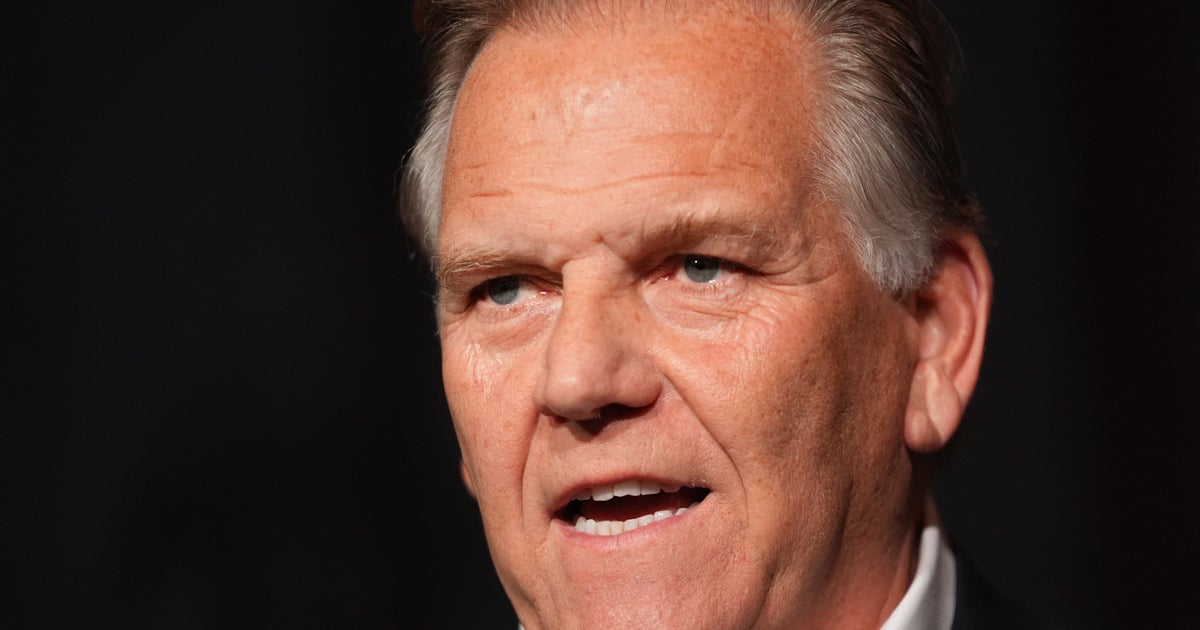
Abdul El-Sayed Targets Mike Rogers Over Surveillance Record
Michigan Democratic Senate nominee Abdul El-Sayed is centering the final stretch of his campaign on his opponent’s history with the surveillance state. By branding former Representative Mike Rogers as a career advocate for mass monitoring, the campaign aims to turn voter anxiety over privacy into a decisive electoral issue.
Crypto Markets Stumble as $554 Million in Long Positions Liquidated
A sharp market-wide correction on October 7 saw Bitcoin, Ethereum, XRP, and Solana slide between 4.3% and 6.3%, wiping roughly $115.5 billion from the total crypto market capitalization. The sudden downturn, which dragged the industry valuation down to $2.925 trillion, was primarily fueled by a massive cascade of forced liquidations among leveraged traders.