All news

Swiss Lawmakers Push for Stricter Capital Rules at UBS
Switzerland’s upper house has voted to mandate that UBS back its foreign units with 90 percent Common Equity Tier 1 capital, a move that could force the banking giant to set aside an additional $33 billion in reserves and heightens the ongoing friction between the institution and federal regulators.

EQT Establishes Middle East Foothold in Abu Dhabi
With $389 billion in assets under management, Swedish private markets giant EQT has officially launched its Middle East platform, anchoring the firm’s regional expansion in a new Abu Dhabi Global Market office. This move marks the firm’s entry into a territory central to its long-term strategy for capital deployment.

Mark Steward and Louis Theodorou Take New Strategic Roles
Mark Steward of the Dubai Financial Services Authority has been named vice chair of the Growth and Emerging Markets Committee at IOSCO, while Oakglen Wealth has tapped Louis Theodorou to spearhead its artificial intelligence strategy, signaling a push for both global regulatory influence and internal technological modernization.

City Hive Releases Toolkit for Charity Asset Oversight
“Values are often prominent in an organisation’s public messaging, but trustees need to understand how those commitments are reflected in the way investment partners operate,” says David Coombs of Rathbones Asset Management, as City Hive introduces a new framework to audit the cultural conduct of investment firms.

Institutional Crypto Allocations Hold Steady Despite Market Volatility
Institutional investors are maintaining their cryptocurrency positions despite a 50% market downturn between October 2025 and April 2026. A survey of 15 major allocators by Bitwise found that, rather than retreating during the volatility, none of the participants reduced their exposure, with several actually increasing their holdings.

FBI Convenes Secretive Crypto Forum Amid $11 Billion Fraud Surge
The FBI recently gathered federal investigators, foreign law enforcement, and private-sector security specialists in San Antonio for its annual Virtual Asset Technical Exchange. Amid a backdrop of record-breaking financial losses and escalating state-sponsored cyber threats, the invitation-only forum served as a tactical hub for combating the rising tide of digital crime.

Circle expands Cross-Chain Transfer Protocol to EURC and cirBTC
Circle has extended its Cross-Chain Transfer Protocol beyond its flagship stablecoin, enabling native transfers for EURC and cirBTC across its newly launched Arc network. This move marks a significant shift for the infrastructure, moving it from a USDC-centric model toward a broader, multi-asset interoperability framework.

U.S. Weighs Stablecoin Backing to Bolster Treasury Demand
The Trump administration is exploring potential public-private partnerships to promote dollar-denominated stablecoins abroad, a strategy designed to expand the global reach of the U.S. currency while securing a consistent buyer base for government debt.
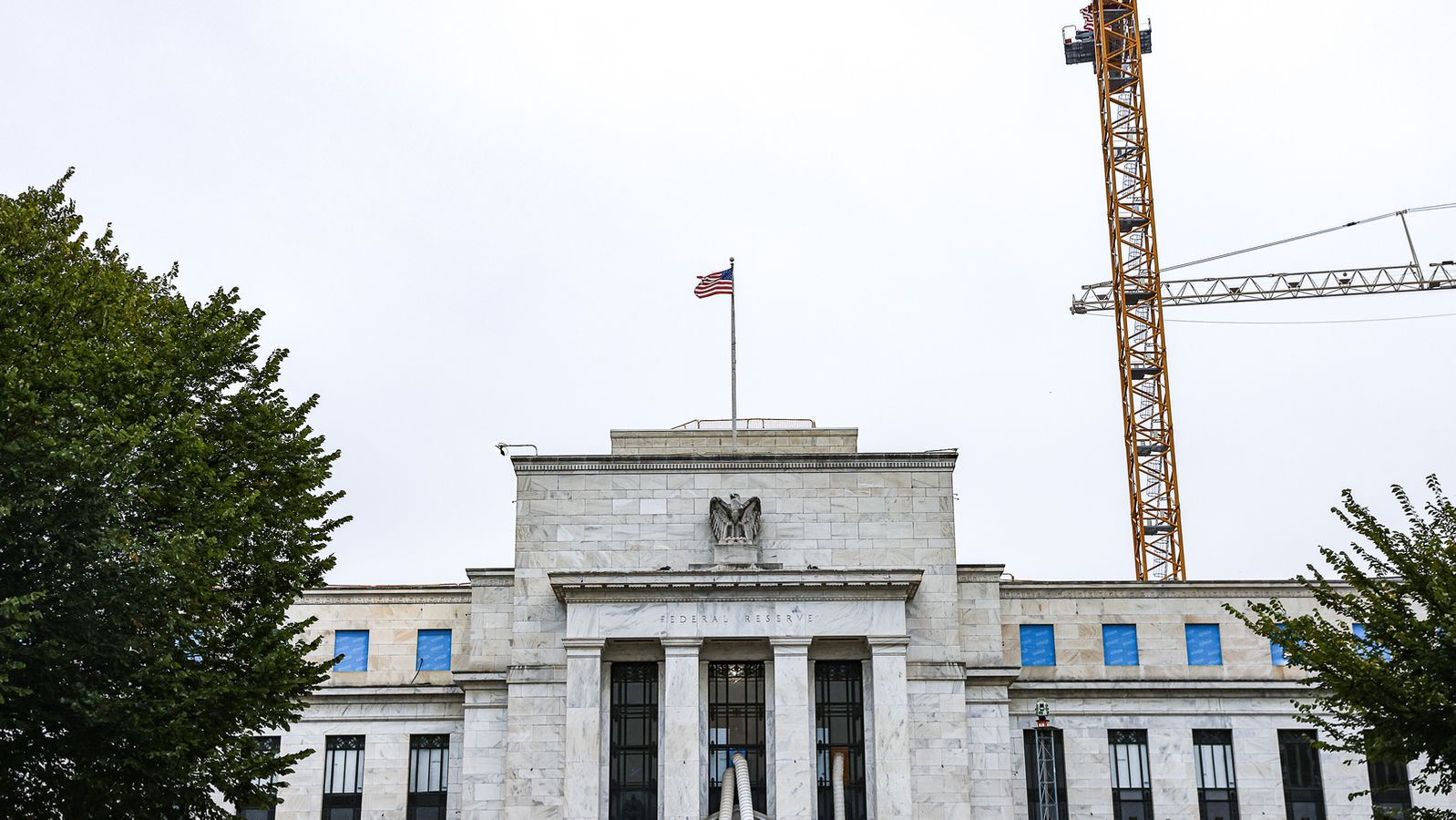
FedNow Prepares for Cross-Border Integration
The Federal Reserve is moving toward cross-border payment support, initiating pilot tests for enhanced messaging protocols. While the system will not become a global network, the update allows banks to integrate FedNow’s domestic instant settlement with traditional correspondent banking chains to facilitate international transactions more efficiently.

Senate Democrats Target E1 Settlement Expansion With Sanctions Bill
A group of 19 Democratic senators introduced legislation Wednesday aimed at curbing Israeli settlement activity in the E1 area of the West Bank. The bill seeks to impose financial sanctions on entities facilitating construction projects that critics argue would permanently sever Palestinian territory and render a two-state solution impossible.

Harvey Weinstein Sentenced to 15 Years in New York Sex Crime Case
Miriam Haley stood before a Manhattan courtroom on Wednesday, describing the decade-long legal battle against Harvey Weinstein as a life sentence for her own sense of security. Moments later, Justice Curtis Farber sentenced the disgraced producer to 15 years in prison for the 2006 assault of his former assistant.

Seattle Halts AI Data Centers in Landmark Regulatory Pivot
Seattle’s City Council voted 9-0 on Tuesday to enact a moratorium on new large-scale AI data centers, marking the most significant regulatory pushback against Big Tech infrastructure in the United States to date. The decision follows a surge of public opposition regarding energy consumption, water usage, and corporate influence.

Seattle Becomes First US City to Ban AI-Driven Surveillance Pricing
Seattle City Council voted 7-2 on Tuesday to outlaw the use of personal data in AI-powered pricing models, marking a national first. The new policy prevents retailers from leveraging information like social media history or employment status to dynamically adjust the cost of goods for individual shoppers at the register.

Trump Weighs Diesel Export Ban as Energy Costs Mount
Facing mounting voter pressure and record-breaking fuel costs, President Donald Trump is reportedly preparing a 90-day ban on diesel exports. The move aims to stem price hikes triggered by his ongoing conflict with Iran, yet critics warn the policy risks triggering a global economic crisis for short-term political gain.

GOP Defunding Push Threatens Birth Control Access for 12 Million Women
New data from the Guttmacher Institute reveals that 58% of women who rely on publicly funded contraceptive care would lose access if Republican efforts to defund Planned Parenthood succeed. The projections highlight a potential crisis for 12.4 million patients, specifically in regions where clinics serve as the primary source for reproductive health.
US Appeals Court Clears Path for Medicaid Cuts to Planned Parenthood
The 1st US Circuit Court of Appeals ruled Thursday to lift a preliminary injunction, allowing the Trump administration to move forward with plans to strip Planned Parenthood of Medicaid funding. The decision reverses a lower court hold, enabling enforcement of the controversial legislation signed earlier this year.

Coinbase Prepares Universal Custody for Post-Quantum Bitcoin
Coinbase is architecting a flexible custody infrastructure designed to secure $250 billion in institutional assets against future quantum computing threats. By moving beyond a single-standard approach, the exchange aims to support any signature scheme Bitcoin or other blockchains might eventually adopt, ensuring its systems remain compatible regardless of evolving cryptographic consensus.
Democrats Tally $1.8 Billion Cost for Trump's Vanity Projects
A new report from the congressional Joint Economic Committee claims taxpayer spending on projects linked to President Donald Trump has climbed to over $1.8 billion. The analysis highlights a series of luxury renovations and monuments, framing the expenditure as a personal indulgence at the expense of public services.
Senate Democrats Demand Public Hearing on Prediction Markets
All 11 Democrats on the Senate Banking Committee have demanded a public hearing on the rapidly expanding prediction market industry. The push follows reports of private meetings between Republican lawmakers and Kalshi executives, fueling concerns over market integrity, consumer protection, and the potential oversight of corporate-linked financial products.
Bitcoin’s $85K Support Level Becomes Key Test for Bull Market
Bitcoin’s recent surge to $87,392 has hit a critical juncture where the $85,000–$86,500 range acts as a primary buffer for new investors. Bitfinex analysts caution that the sustainability of this rally depends on whether corporate buyers and ETF inflows can maintain momentum above these established cost bases.

Climate Finance Summit Ends With Critics Denouncing 'Irresponsible' Stance
Global climate campaigners have decried the conclusion of the Paris summit hosted by French President Emmanuel Macron, arguing the event failed to demand that the fossil fuel industry contribute to the costs of environmental damage or provide sufficient funding for the world's most vulnerable nations.

Trump Extends Olive Branch to NYC Mayor-elect Zohran Mamdani
In a jarring pivot from months of vitriolic campaigning, President Donald Trump hosted New York City Mayor-elect Zohran Mamdani in the Oval Office on Friday, offering the democratic socialist a warm reception and public promises of federal cooperation despite their starkly opposing political ideologies.
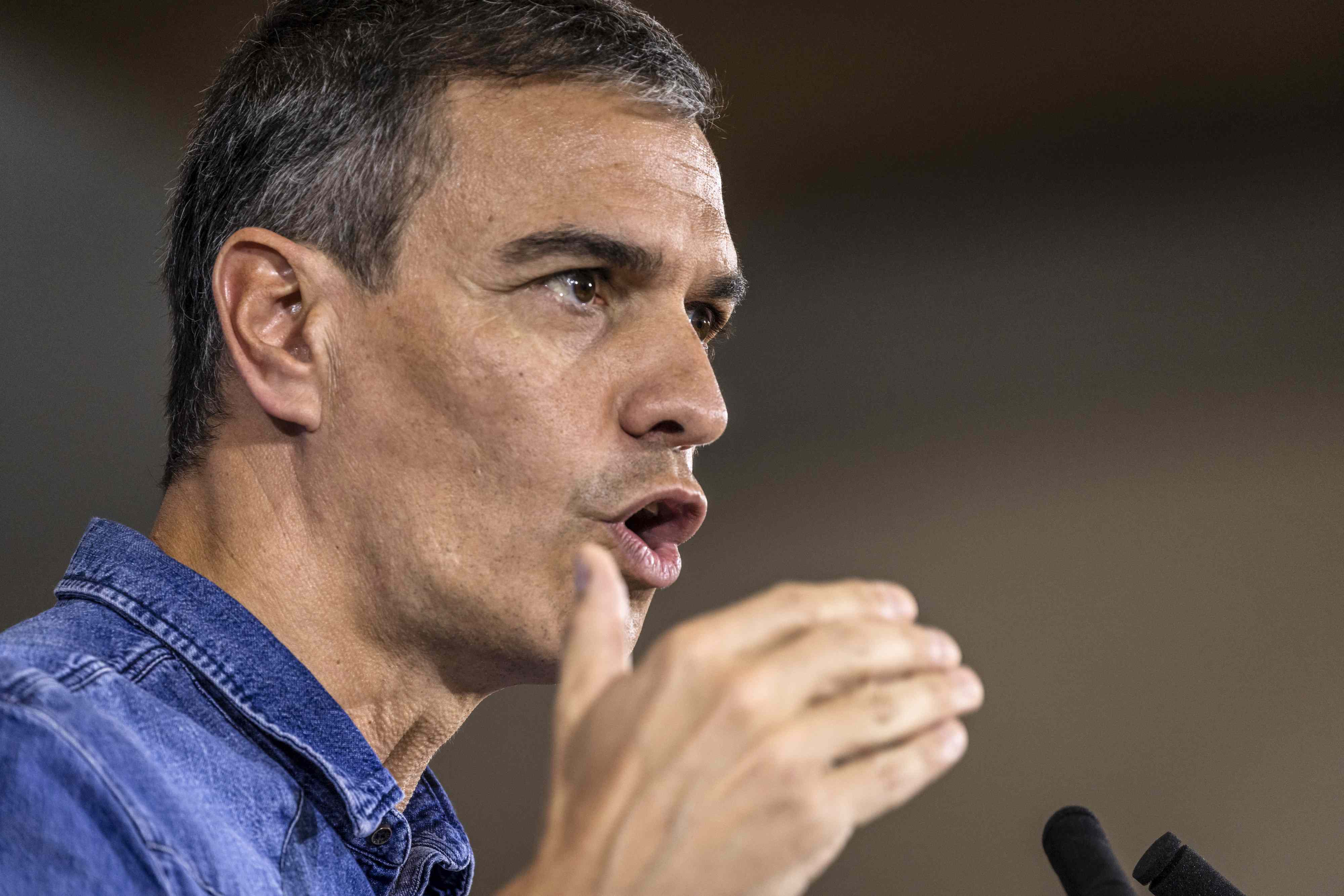
Sánchez and Mamdani Align Progressive Agendas Against Right-Wing Populism
As world leaders congregate in New York for the United Nations General Assembly, Spanish Prime Minister Pedro Sánchez and NYC Mayor Zohran Mamdani met at Gracie Mansion on Wednesday to champion a shared economic model centered on social justice, higher wages, and proactive immigration policies.

Liquidity Farming Skews USDC Transfer Metrics on Base
A staggering 90% of USDC transfer volume recorded on September 23 originated from liquidity farming on the decentralized exchange Aerodrome. Analyst RyeBlocks identified $109 billion out of $121 billion in total transfers as "inorganic" activity, highlighting a growing disconnect between raw on-chain data and actual consumer payments.
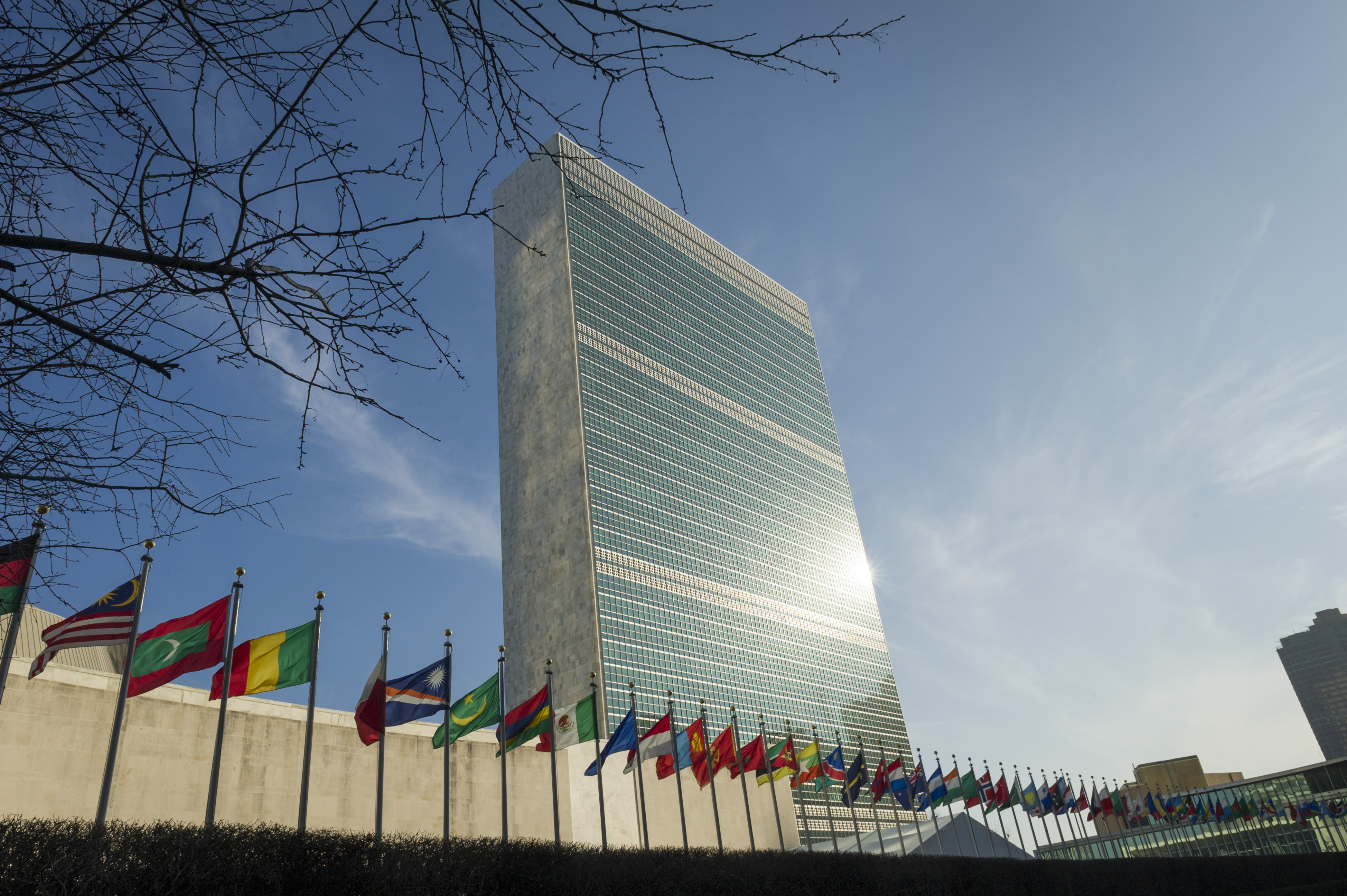
Former UN Official Labels Gaza Onslaught a Clear-Cut Genocide
Craig Mokhiber, a veteran human rights attorney who resigned from the United Nations in October, has characterized Israel’s military campaign in Gaza as the most definitive case of genocide he has encountered throughout his three-decade career, citing explicit statements of intent from senior Israeli leadership.

Calls for Netanyahu’s Arrest Mount as UN Visit Looms
As Israeli Prime Minister Benjamin Netanyahu prepares to address the United Nations General Assembly this Thursday, activists and political figures are renewing demands for his arrest. The push highlights a deepening rift over international legal accountability for the military campaign in Gaza, which has claimed nearly 74,000 lives.
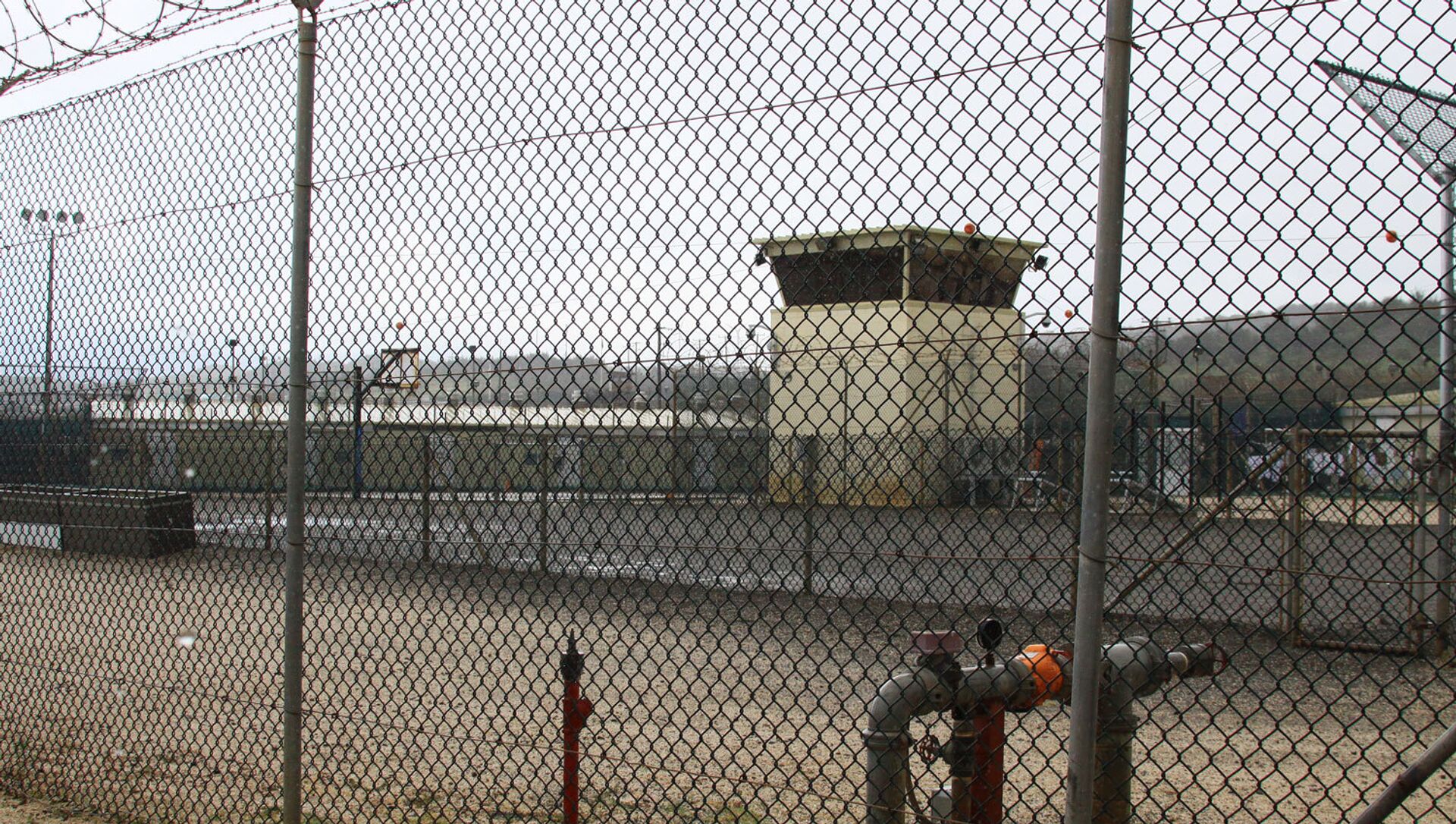
Twenty-Two Years of Guantánamo: A Legacy of Indefinite Detention
Twenty-two years after the first prisoners arrived at Guantánamo Bay, the U.S. military facility remains open despite repeated promises of closure. Thirty men are still held at the site, including 16 who have been cleared for release but remain trapped in a legal limbo that has spanned four presidencies.
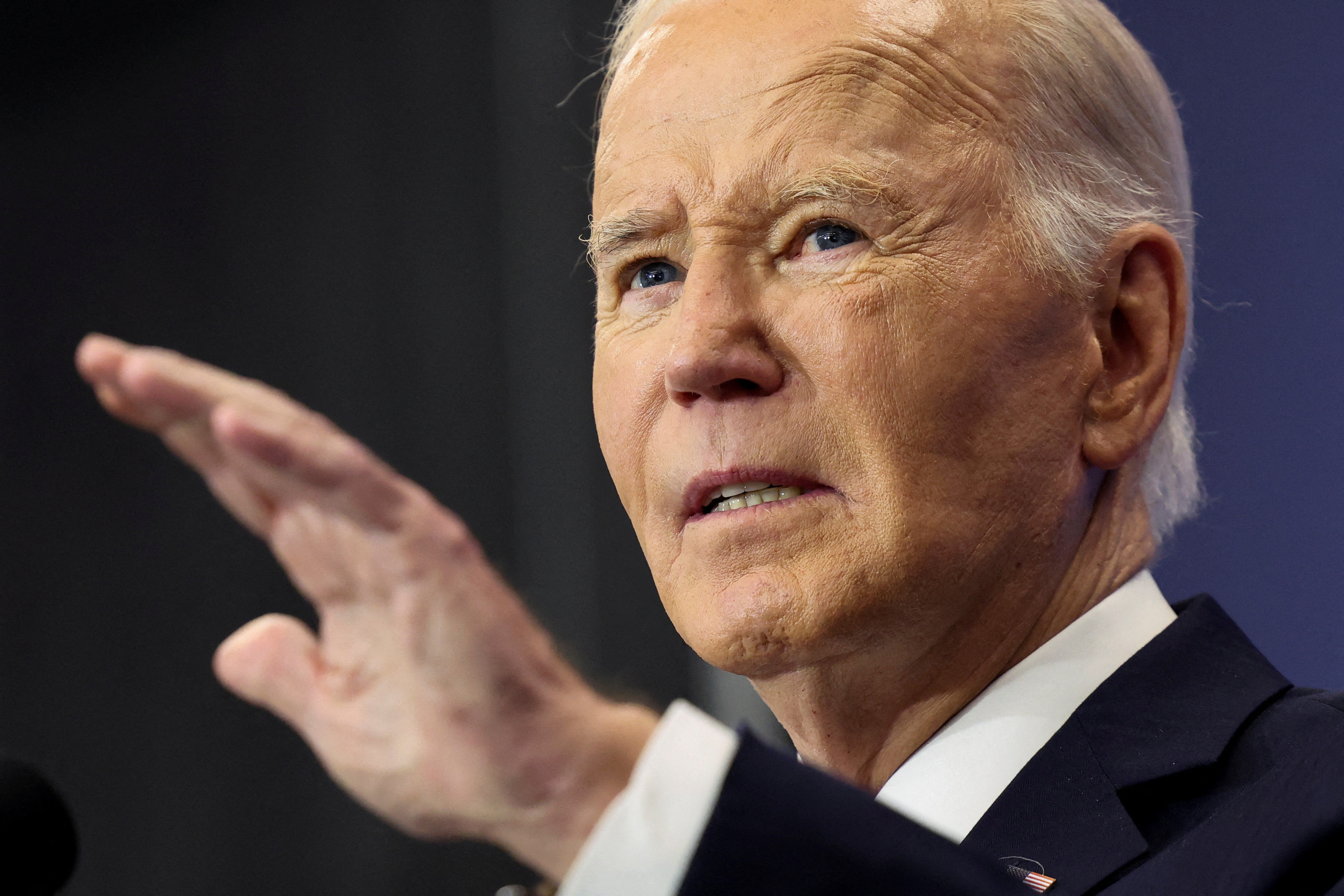
Biden Faces Backlash Over Final $8 Billion Arms Package for Israel
Human rights advocates and former administration officials are condemning President Joe Biden for authorizing an $8 billion weapons transfer to Israel during his final weeks in office. Critics argue the move deepens U.S. complicity in the ongoing war in Gaza, labeling the decision as a moral failure that ignores humanitarian concerns.

Experts Warn of Unchecked AI Targeting in Iran Conflict
Experts are raising alarms over the apparent lack of human oversight in Israel’s use of artificial intelligence to select military targets in Iran. Drawing parallels to the war in Gaza, analysts suggest that automated systems—now operating with minimal supervision—are erroneously identifying non-military sites for airstrikes.
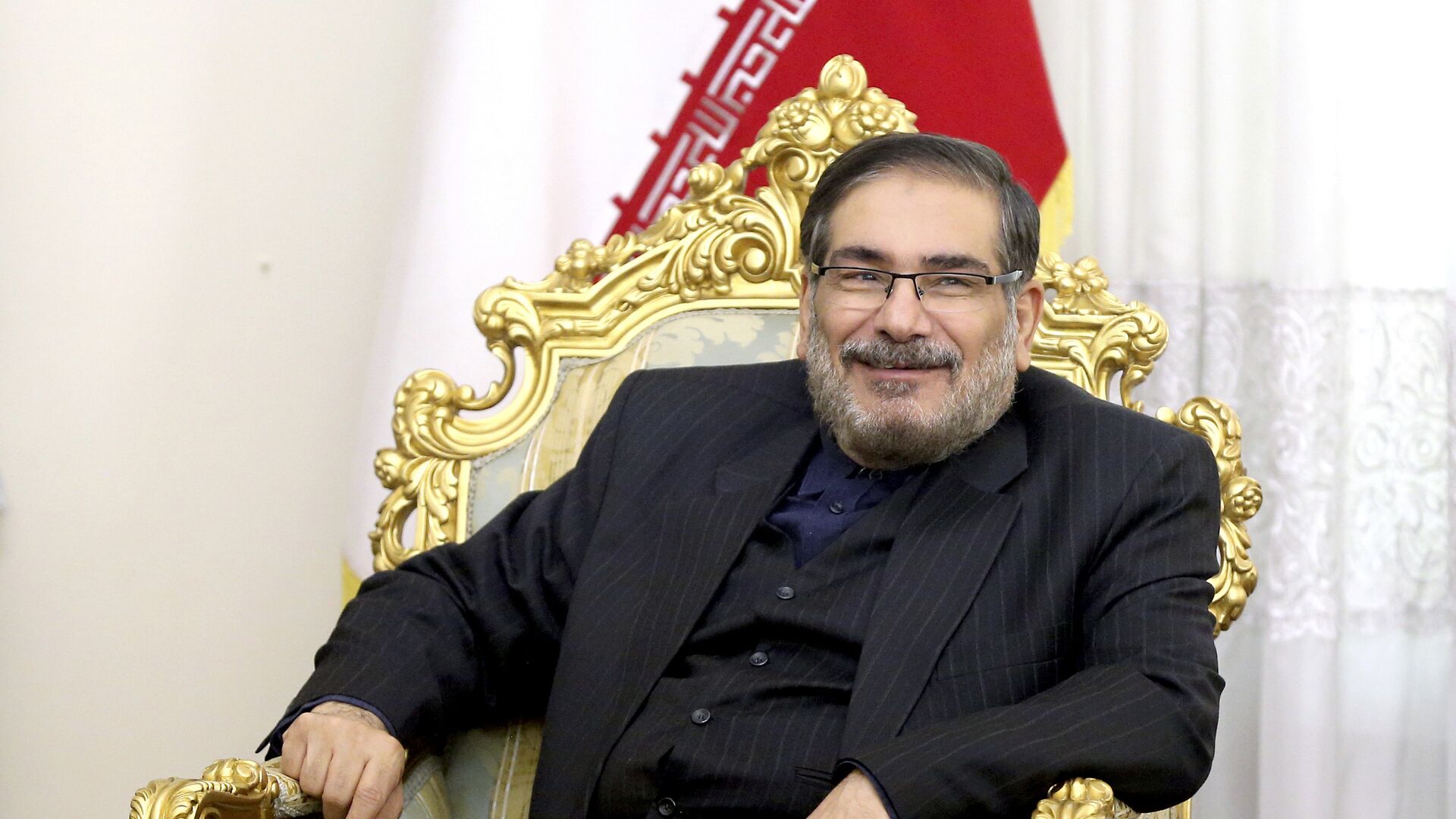
Israeli Strike Kills Top Iranian Negotiator, Stalling Nuclear Talks
A large-scale Israeli military operation targeting Iran on Friday resulted in the death of Ali Shamkhani, a senior aide to the Supreme Leader who headed the committee overseeing nuclear negotiations with the United States, effectively shattering momentum toward a diplomatic resolution just days before a scheduled summit.