All news

Bitget Investigates $351M Breach as Withdrawals Remain Suspended
Bitget is scrambling to recover from a massive security breach after unauthorized actors siphoned approximately $351.6 million from the exchange’s hot and warm wallets on September 24, 2026. While the platform has paused all customer withdrawals, CEO Gracy Chen confirmed that private keys remain secure following the backend system compromise.

Wave of Device Explosions Leaves 20 Dead Across Lebanon
At least 20 people were killed and more than 450 injured on Wednesday as a second wave of battery-powered device explosions tore through Lebanon. The blasts, which targeted walkie-talkies, smartphones, and solar components, followed a massive pager attack the previous day that left thousands wounded and ignited regional panic.

Genocide Scholars Group Labels Israeli Military Campaign in Gaza
The International Association of Genocide Scholars has formally declared that Israel’s military campaign in Gaza meets the legal definition of genocide. Backed by 86% of the organization’s voting members, the resolution cites systemic starvation, deliberate attacks on civilians, and explicit rhetoric from government officials as evidence of genocidal intent.

Netanyahu Lashes Out at NYC Mayor During Contentious UN Address
Israeli Prime Minister Benjamin Netanyahu used his United Nations General Assembly address to attack New York City Mayor Zohran Mamdani, labeling him an antisemite while defending his military campaign in Gaza. The confrontation occurred as dozens of delegations staged a walkout to protest the presence of the ICC-indicted leader.

Entrepreneurs Target $367 Billion AI Investment Surge
A staggering $367 billion in combined capital is set to flow into artificial intelligence over the coming year, as wealthy business owners pivot toward aggressive technology adoption. According to HSBC’s Global Entrepreneurial Wealth Report 2026, the overwhelming majority of high-net-worth entrepreneurs view AI as a catalyst for expansion rather than contraction.
Entrepreneurs Target $367 Billion AI Investment Surge
A staggering $367 billion is earmarked for artificial intelligence spending by wealthy entrepreneurs over the coming year, according to HSBC’s Global Entrepreneurial Wealth Report 2026. Surveying over 3,000 business owners with at least $2 million in assets, the data reveals a heavy commitment to integrating new technologies into their core operations.

AI-Driven Coding Inflates Medical Bills by Nearly $1 Billion
Artificial intelligence in hospitals is fueling a surge in billing costs without improving patient outcomes, according to a report from the Blue Cross Blue Shield Association. The analysis reveals that AI systems are identifying more lucrative diagnoses to maximize reimbursements, shifting nearly $1 billion in extra expenses onto insurers and patients.

Prudential Shuffles Leadership Across Asian Markets
Prudential plc is tightening the integration between its life insurance arm and asset management unit, appointing former Citi Private Bank executive Chan San San to a newly created role. The move coincides with a broader leadership restructuring as the UK-listed firm looks to consolidate its regional operations.
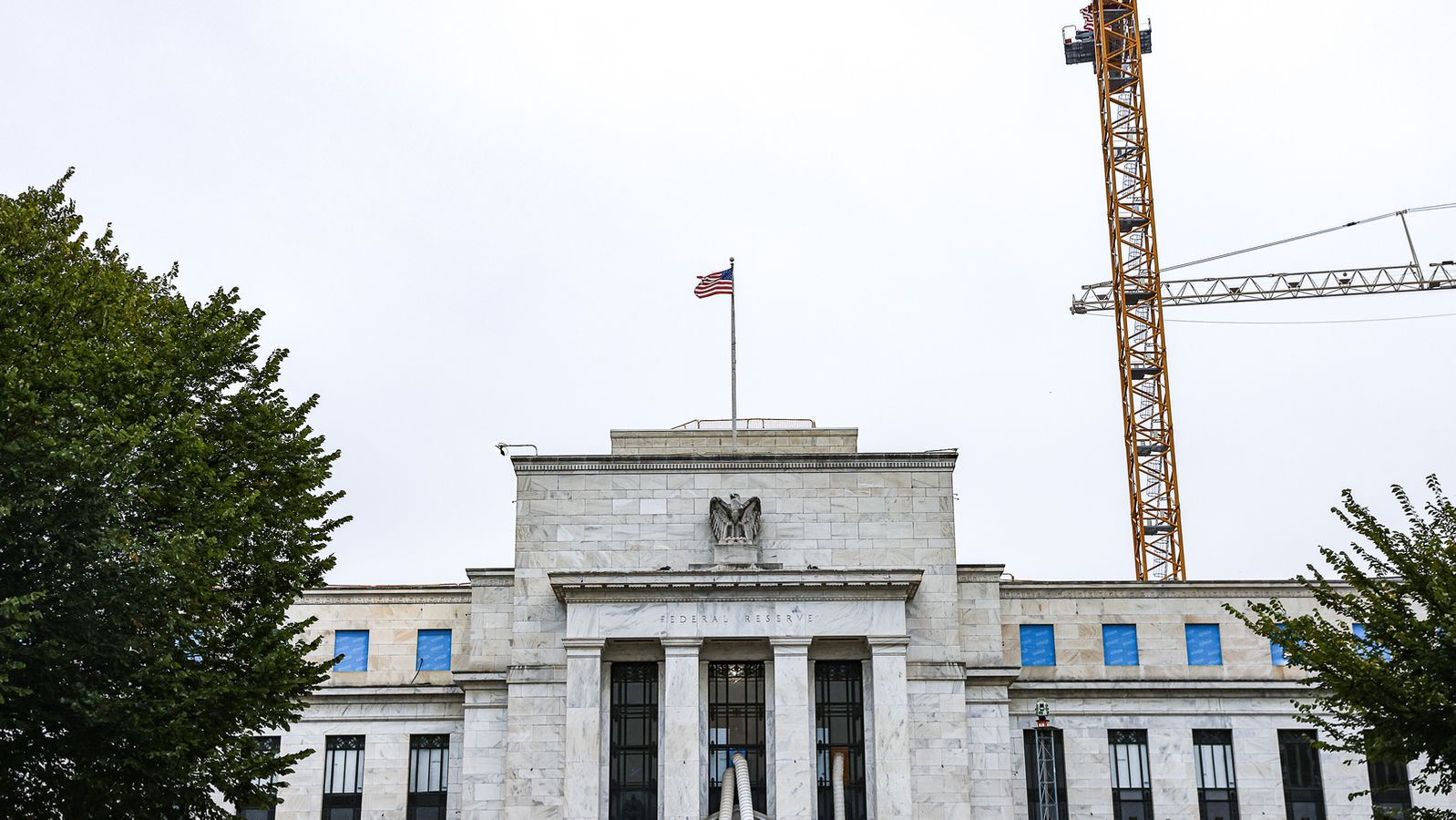
Fed Unveils Regulatory Framework for Stablecoin Issuers
The Federal Reserve has introduced two proposed rules under the GENIUS Act, targeting the reserve requirements for payment stablecoin issuers and the formal approval process for state member banks seeking to launch stablecoin subsidiaries. The move marks a shift toward standardized oversight for digital asset operations within the traditional banking sector.

Senate Republicans Block Bid to Halt Trump’s Iran War
A war powers resolution aimed at forcing an end to President Donald Trump’s unauthorized conflict with Iran failed in the Senate on Thursday, falling by a 49-50 margin. The vote highlights a deepening divide between candidates campaigning against the war and an establishment majority standing by the administration’s military strategy.

Payward Integrates xStocks Into Ledger Hardware Wallets
Payward is bringing its xStocks tokenized equity platform to Ledger hardware wallets, enabling users to manage tokenized shares alongside traditional crypto assets. The partnership aims to merge self-custody security with exchange-grade trading, though the service remains strictly off-limits to investors in the United States.

Strive Estimates $86 Million in New Capital for Bitcoin Purchases
Strive has generated an estimated $85.88 million through the sale of SATA preferred stock between September 21 and September 23. This capital influx, tracked via market data, suggests potential buying power for roughly 1,002 Bitcoin, though the company has yet to confirm specific acquisitions for this period.

UK Arms Curbs on Israel Yield No New Suspensions
The British government’s pledge to restrict weapons transfers to Israel has failed to result in a single additional license suspension or revocation. Despite the touted “double lock” policy aimed at curbing support for the occupation of the West Bank, current disclosures confirm that military exports remain largely unchanged.

UK Suspends 30 Arms Export Licenses to Israel Over Gaza Risks
Facing mounting international pressure to curb military support for Israel’s campaign in Gaza, the British government has suspended 30 of its 350 active arms export licenses. Foreign Secretary David Lammy cited a clear risk that the equipment could be used to commit serious violations of international humanitarian law.

Hundreds Arrested as Protesters Confront Netanyahu at UN Headquarters
Chanting that the Israeli Prime Minister is wanted for genocide, hundreds of demonstrators blocked New York City streets Thursday as Benjamin Netanyahu arrived for the United Nations General Assembly. The protest, led by Jewish Voice for Peace, resulted in over 100 arrests amid mounting criticism of ongoing US military support.

Tim Ryan sees legislative path for CLARITY Act in lame-duck session
Former Democratic congressman Tim Ryan believes the stalled Digital Asset Market CLARITY Act could still secure passage this year. Despite the Senate’s failure to reach the 60-vote threshold on September 15, Ryan argues that bipartisan consensus remains achievable if lawmakers resolve specific disputes over ethics, consumer protections, and stablecoin rewards.

Trump’s $2.2 Trillion Dinner with Xi Sparks AI Policy Concerns
A group of tech moguls with a combined net worth of $2.2 trillion is set to dine with Donald Trump and Xi Jinping on Thursday, highlighting the massive concentration of wealth and political influence surrounding the future of artificial intelligence as global competition for dominance over the technology intensifies.
Bitcoin’s $85K rally tests the limits of ETF-driven demand
Bitcoin’s climb toward $85,000 has been fueled by over $1.7 billion in U.S. spot ETF inflows, yet the rally now faces a critical inflection point as leveraged futures positions pile onto the market. Analysts are closely watching whether genuine cash buying can sustain prices through the $90,000 threshold.
RFK Jr. Defends Trump’s Math as Senate Grills Drug Pricing Claims
Health and Human Services Secretary Robert F. Kennedy Jr. faced sharp questioning during a Senate Finance Committee hearing Wednesday over the administration's persistent, mathematically impossible claims that prescription drug prices have been slashed by 600%. Kennedy insisted the president simply employs a unique, non-standard method for calculating percentages.

Senate Democrats Accuse Trump of Selling Policy to Fossil Fuel Donors
A new Senate report alleges that Donald Trump fulfilled a 2024 campaign promise to prioritize the fossil fuel industry’s agenda in exchange for $1 billion in political support. The findings suggest the administration systematically dismantled environmental protections to reward donors, effectively transferring the financial burden onto American families.
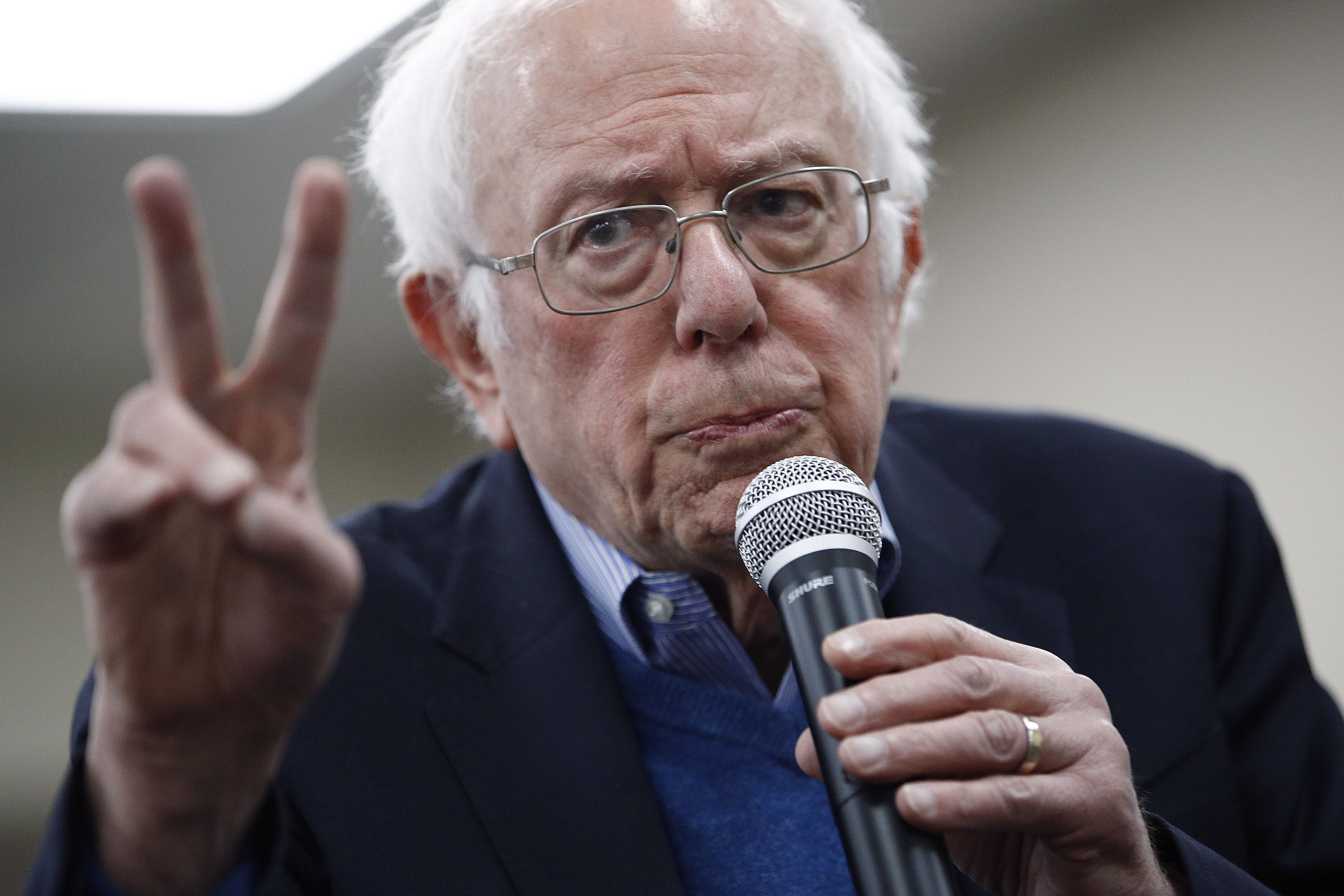
Sanders Corners FDA Nominee Over Trump’s Drug Price Claims
Senator Bernie Sanders confronted Dr. Heidi Overton, President Trump’s nominee for FDA commissioner, during a confirmation hearing Thursday, demanding she verify the president’s assertion that the United States now enjoys the lowest prescription drug prices in the world—a claim experts and data suggest is demonstrably false.

Paxos Labs Launches PAXGy to Enable Gold Leasing Returns
Paxos Labs has introduced PAXGy, a new token built on its existing PAX Gold offering that allows investors to earn returns on bullion reserves. By deploying these reserves to institutional borrowers, the company aims to provide smaller holders access to traditional gold leasing economics, previously reserved for large-scale banking and industry participants.

Michigan Voters Struggle With Healthcare Costs as Senate Race Heats Up
Nearly half of Michigan voters report that soaring health insurance costs regularly force them to sacrifice basic necessities like food and fuel. This financial strain has become a central issue for Democratic Senate candidate Abdul El-Sayed, who argues the crisis proves an urgent need for a Medicare for All system.

New York Targets Polymarket in Crackdown on Unlicensed Betting
New York Attorney General Letitia James has launched a legal offensive against Polymarket, alleging the platform operates as an illegal gambling hub by offering sports-based contracts without state authorization. The lawsuit claims the company ignores critical safeguards, including the state’s 21-year-old minimum age requirement for sports betting participants.

Macklemore Launches 'Free Palestine Tour' Following Ed Sheeran Tour Exit
After being dropped from Ed Sheeran’s stadium tour due to his vocal support for Palestinians, rapper Macklemore is launching his own concert series. The "Free Palestine Tour" aims to generate direct financial aid for civilians in Gaza, marking a significant escalation in the artist’s humanitarian advocacy efforts.

ARK Invest Moves Venture Fund Onchain via Ethereum
ARK Invest has tokenized its ARK Venture Fund through Securitize, offering eligible investors a blockchain-based pathway to hold interests in a portfolio featuring OpenAI and Anthropic. The move, facilitated by Ethereum, marks a shift in how capital markets manage private and public tech exposure through regulated, onchain share classes.

Inside the IDF's AI Targeting System and Its High Civilian Cost
As the White House insists Israel remains precise in its Gaza operations, investigative reports reveal the military deployed an AI system called Lavender that prioritized mass target generation over human verification, leading to thousands of civilian deaths and a pre-authorized allowance for significant collateral casualties.

Israeli Election Panel Bans Arab Parties While Clearing Far-Right Allies
The Israeli Central Elections Committee has moved to disqualify all Arab-majority political parties and several key candidates from the upcoming October 27 Knesset election, while simultaneously rejecting petitions to bar far-right factions, including those led by National Security Minister Itamar Ben-Gvir and Finance Minister Bezalel Smotrich.

Filmmakers to Release Gaza Documentary for Free Amid Government Threats
Facing accusations of blood libel and government threats to revoke their citizenship, Israeli filmmakers Yuval Abraham and Rachel Szor are moving to make their acclaimed documentary NAZA available online for free. The film, which features testimonies on military operations in Gaza, will be accessible starting in November.
White House Faces Legal Scrutiny Over Taxpayer-Funded Trump Ad
A 30-second television spot aired on Fox News featuring Donald Trump has triggered accusations of federal law violations, as the broadcast explicitly identified itself as being paid for by the U.S. government. The ad, which combines campaign-style rhetoric with official branding, has drawn sharp criticism from legal experts and ethics observers.