All news

Coinbase Brings Tokenized Stocks to Base Network
Coinbase has launched four 1:1-backed tokenized stock products on its Base layer-2 network, granting non-U.S. investors around-the-clock exposure to Apple, NVIDIA, Meta, and Alphabet. These B20-standard tokens represent beneficial interests in actual shares held in regulated custody, moving the exchange’s stock offerings into an open, decentralized environment.
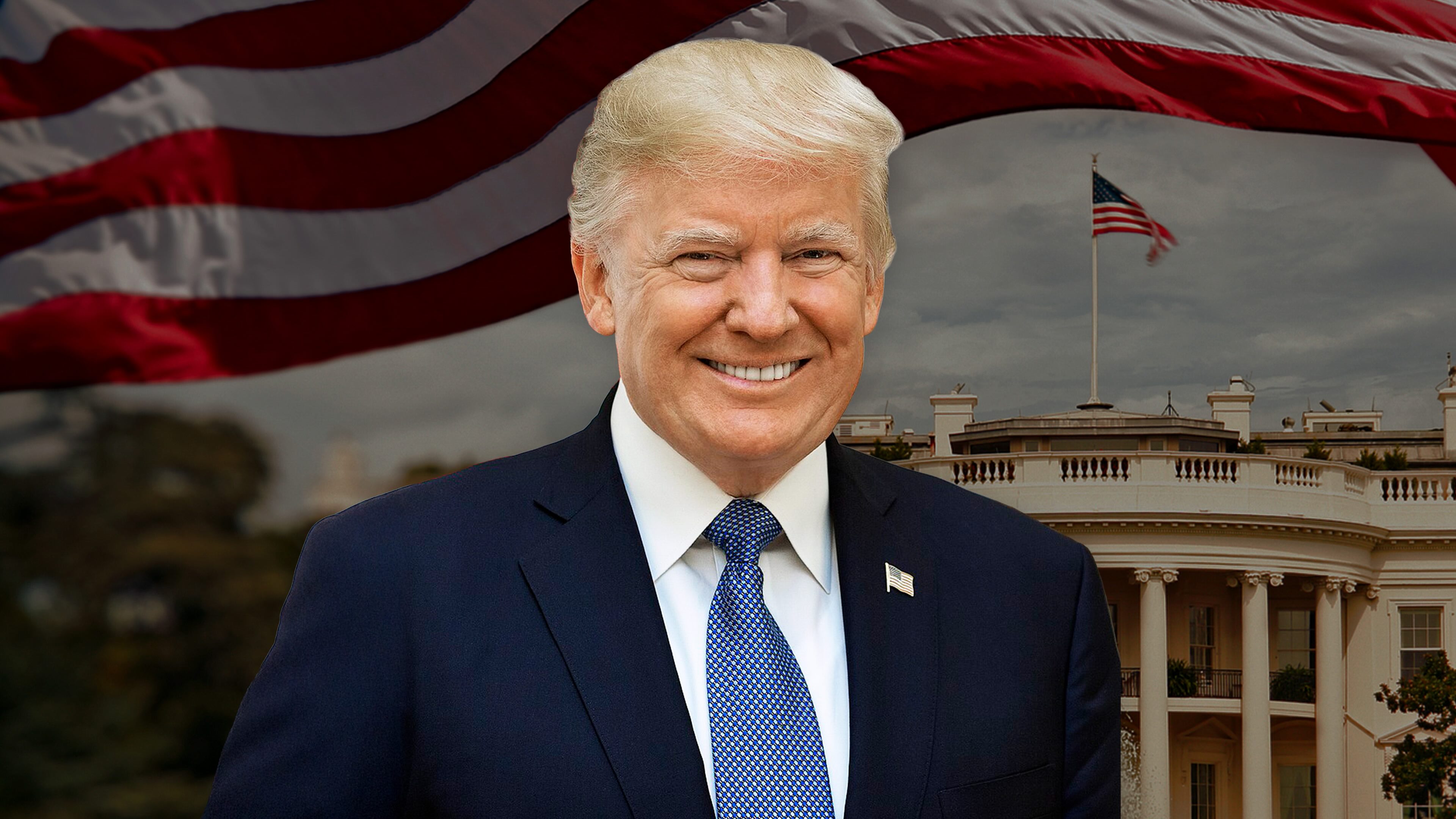
Trump Dismisses Concerns Over $4 Gas as Economy Struggles
President Donald Trump brushed aside mounting public anxiety over gasoline costs on Thursday, telling reporters on the White House lawn that current prices hovering above $4 per gallon are "not very high" and suggesting the broader stock market performance serves as a more reliable indicator of national well-being.

US Treasury Launches 'Economic D-Day' Against Iran
Treasury Secretary Scott Bessent has unveiled Operation Economic Outcast, an aggressive campaign targeting Iran’s core financial sectors. The move marks a strategic pivot toward total economic strangulation as Washington attempts to force global compliance with its sanctions regime following the failure to secure a decisive military victory in the region.
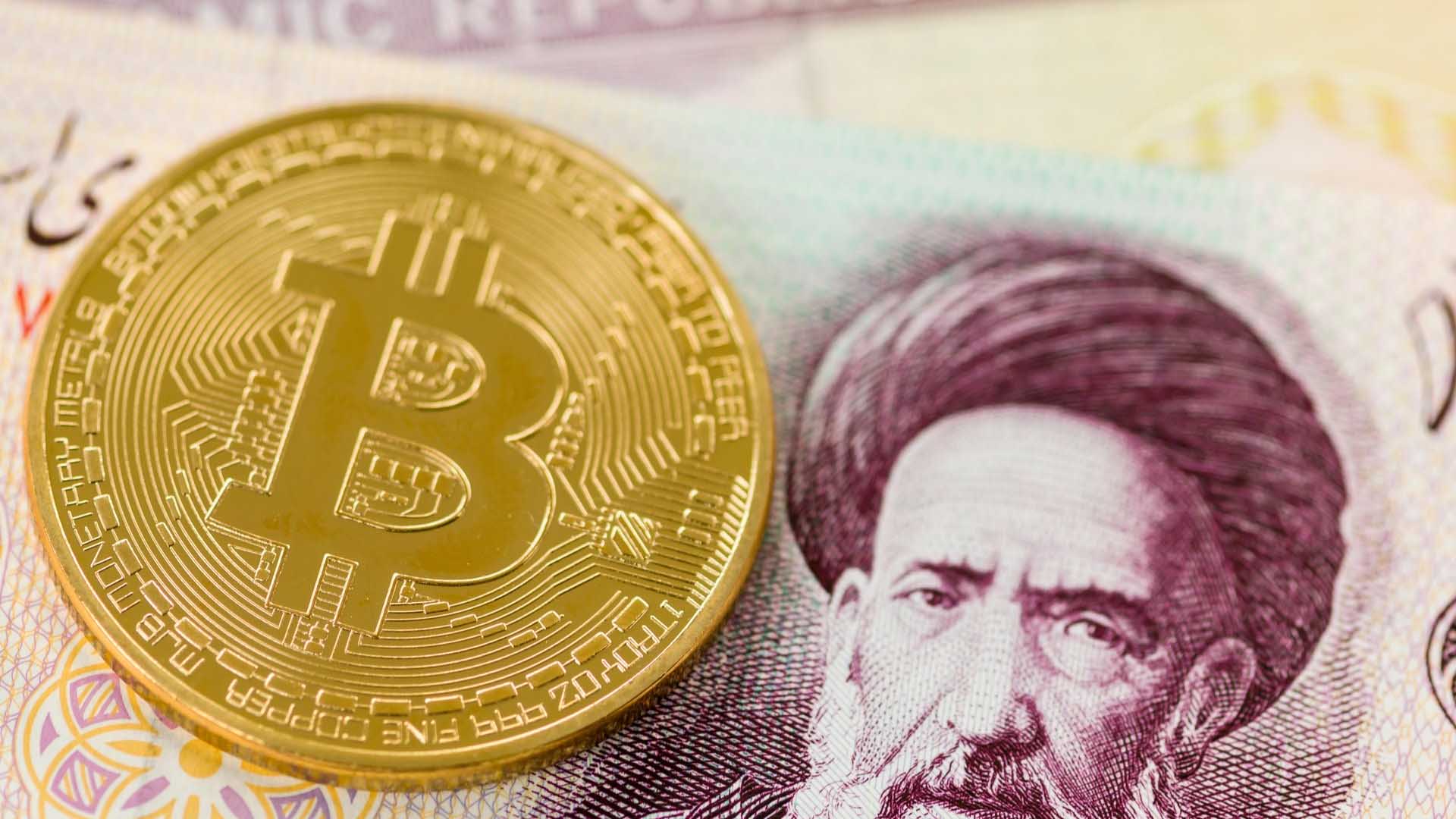
US Treasury Launches Operation Economic Outcast Against Iran
The U.S. Treasury Department has initiated Operation Economic Outcast, a wide-reaching campaign designed to sever Iran’s international financial lifelines. By targeting cryptocurrency exchanges, shipping networks, and gold markets, Washington aims to isolate Tehran from global capital and disrupt funding for the Islamic Revolutionary Guard Corps.

Eastport Residents Battle $100 Million Underwater Data Center Plan
A coastal standoff is intensifying in Eastport, Maine, where residents are gathering Monday to challenge plans for a $100 million artificial intelligence data center. The meeting follows a controversial decision by federal regulators to grant a preliminary permit for the massive, 27-acre underwater facility near the city’s working waterfront.
Canada Vows Aggressive Retaliation in Escalating Trade War with US
Canadian political leaders from opposing parties united on Monday to declare a hard-line stance against Donald Trump, threatening to leverage essential exports to penalize US voters in response to the collapse of bilateral trade negotiations and the imposition of punitive American tariffs.

Stand With Crypto Backs 32 Lawmakers Tied to CLARITY Act
The Coinbase-backed advocacy group Stand With Crypto has officially endorsed 32 House incumbents seeking reelection, centering its political strategy on support for the Digital Asset Market Clarity Act. By prioritizing legislative records over party affiliation, the organization aims to solidify a congressional bloc capable of influencing future digital asset regulation.

Strategy’s Treasury Tactics Loom Over Bitcoin’s Latest Rally
Bitcoin has surged past Strategy’s $75,385 average acquisition cost, yet the company’s silence in the market has turned its massive treasury into a pivotal test for the ongoing rally. With 840,447 BTC held, analysts at Bitfinex are watching for whether the firm pivots back to accumulation or begins shedding supply.

Union Bancaire Privée bets on frontier market debt for 2026
As global bond markets buckle under the pressure of stubborn inflation and geopolitical volatility, Thomas Christiansen of Union Bancaire Privée is doubling down on frontier market debt. By prioritizing high-carry local currency assets, he argues that investors can bypass the turbulence currently plaguing developed market fixed income.

Alibaba Secures $10.2 Billion in Massive Hong Kong Share Placement
Alibaba Group has finalized an HK$80 billion share offering in Hong Kong, marking the city's largest follow-on equity deal since 2021. The tech giant priced 710 million newly issued shares at HK$112.7 each, targeting non-US investors to bolster capital reserves despite a recent sharp decline in quarterly net income.

Barclays Private Bank Appoints Neil Cabral to Lead UAE Intermediary Business
Neil Cabral has joined Barclays Private Bank to spearhead the growth of its multi-family office and external asset management division in the United Arab Emirates. His appointment signals a strategic move by the lender to deepen its ties with institutional intermediaries and private wealth managers across the region.

CME Group Adds ENA Reference Rates Across Three Global Regions
CME Group has incorporated Ethena’s ENA token into its cryptocurrency benchmark suite, establishing standardized U.S. dollar pricing across London, New York, and APAC markets. Effective August 24, these regional reference rates and real-time indices aim to provide institutions with consistent valuation metrics that align with specific local trading hours.

Michael Schur Warns Paramount-Warner Merger Threatens Industry Survival
Television writer Michael Schur, creator of The Good Place, is warning that the proposed $110 billion merger between Paramount and Warner Bros. Discovery poses an existential threat to the entertainment industry, arguing that such consolidation serves only the wealthy while stifling creative labor and reducing essential market competition.

Ethereum developer proposes standard for tokenized asset status
Ethereum developer Eric Conner has introduced ERC-8392, a proposed interface designed to bridge the gap between continuous blockchain activity and the restricted operating hours of traditional stock markets. The standard aims to provide smart contracts with real-time, actionable data regarding market sessions, trading halts, and asset redemption availability.
Netanyahu Moves to Double Golan Heights Settler Population
Seizing the power vacuum left by the collapse of the Assad government, Prime Minister Benjamin Netanyahu announced plans Sunday to aggressively expand Israeli settlements in the occupied Golan Heights, aiming to double the current population of 20,000 residents in a move described as synonymous with strengthening the state.
Coalition of 95 Groups Challenges GOP Push to Roll Back Clean Air Rules
A coalition of 95 advocacy organizations is demanding that Congress reject four resolutions aimed at dismantling long-standing clean air protections. The groups argue that these legislative maneuvers, introduced under the Congressional Review Act, threaten public health and household budgets by overturning essential state-level emission waivers.
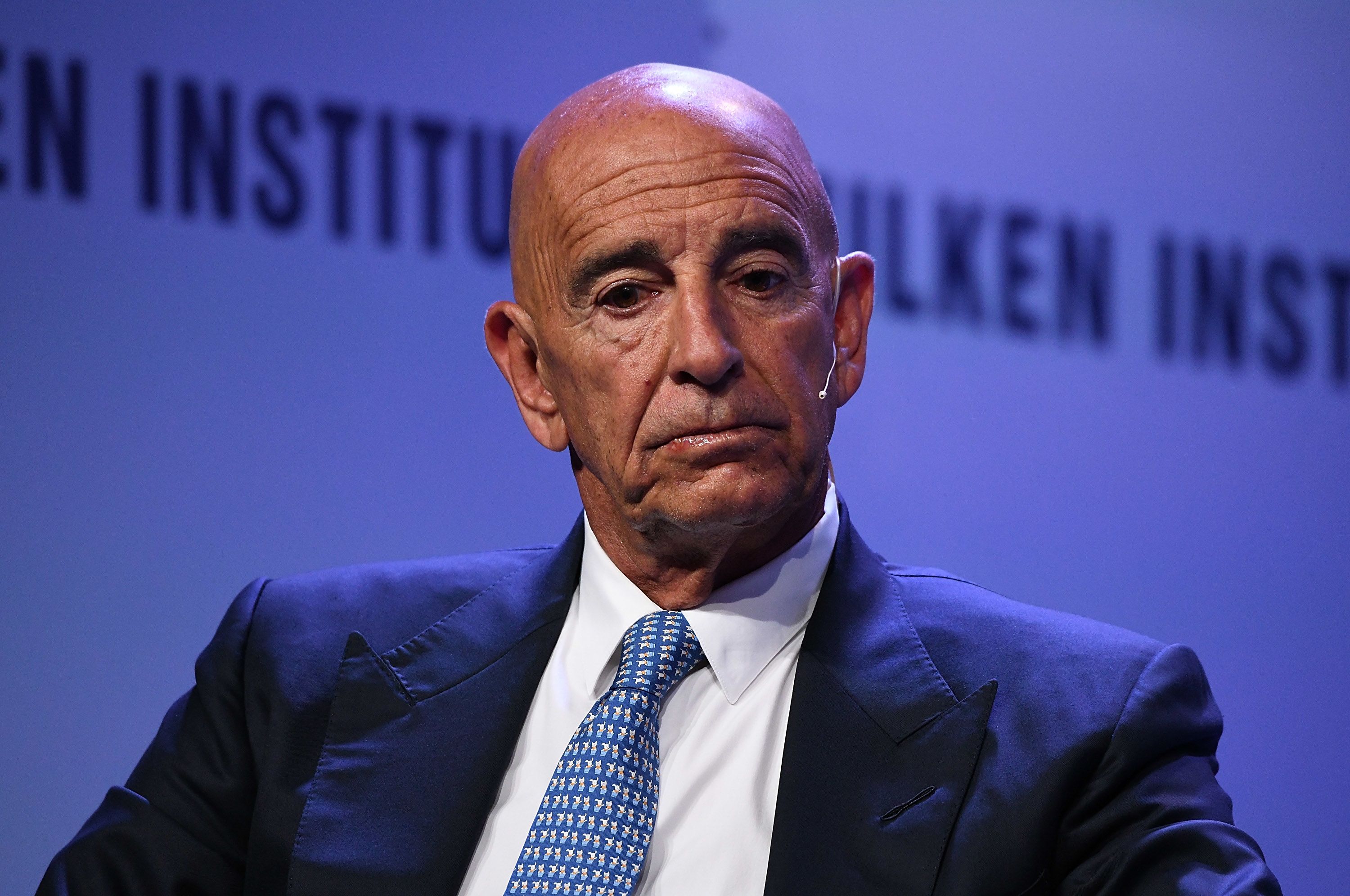
Tom Barrack Retracts Golan Heights Statement Under Republican Pressure
Tom Barrack, the U.S. ambassador to Türkiye and special presidential envoy for Syria and Iraq, retracted his description of the Golan Heights as occupied Syrian territory on Sunday, bowing to intense pressure from Republican allies and Israeli officials who demanded his immediate resignation following the comments.
Report links Trump’s personal wealth gains to Iran conflict
A new report from the Congressional Joint Economic Committee estimates President Donald Trump has netted up to $15.5 million in personal wealth since January, driven by surging oil and gas stocks that spiked following his administration's decision to initiate military action against Iran without congressional authorization.

Bitcoin Holds $79K Despite Trump’s 50% Tariff Threat on Canada
Bitcoin briefly dipped toward $78,200 before rebounding to $79,300, showing resilience after President Donald Trump announced plans to impose 50% tariffs on Canadian automotive and steel imports starting January 1, 2027. The move follows the collapse of trade negotiations between Washington and Ottawa earlier this week.
Crypto groups launch legal battle against Illinois 0.2% digital asset tax
Two major industry trade groups have filed a lawsuit against Illinois state officials, seeking to dismantle a 0.2% tax on digital asset transactions scheduled to take effect in 2027. The Blockchain Association and Crypto Council for Innovation argue the levy is unconstitutionally vague and unfairly discriminates against digital commerce.

Washington Post Guild Denounces Firing of Columnist Karen Attiah
The union representing employees at The Washington Post has condemned the newspaper's decision to terminate columnist Karen Attiah, arguing that the move violates the publication’s stated commitment to free speech and bypassed established disciplinary protocols following her social media commentary on the death of activist Charlie Kirk.
Arbitrator Orders Washington Post to Rehire Columnist Karen Attiah
An independent arbitrator has ruled that The Washington Post wrongfully terminated columnist Karen Attiah last September, ordering the newspaper to reinstate her with full back pay. The decision follows a yearlong legal battle over Attiah’s social media commentary regarding the assassination of right-wing activist Charlie Kirk.
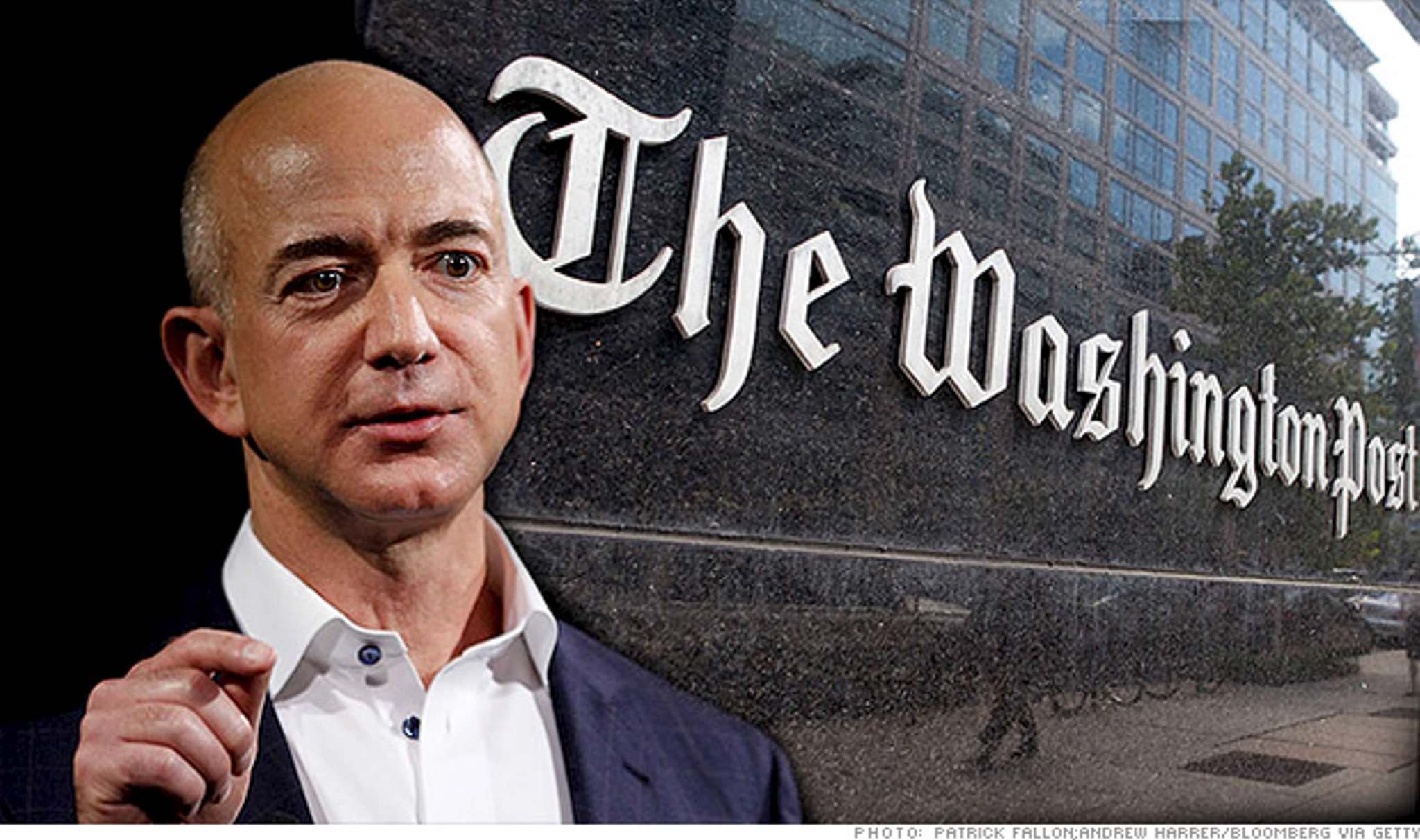
Jeff Bezos Overhauls Washington Post Opinion Page
The Washington Post is shifting its editorial stance to explicitly promote libertarian ideals and free-market policies, a move that prompted the resignation of opinion editor David Shipley. Owner Jeff Bezos announced the change on Wednesday, signaling that viewpoints opposing this new ideological framework will no longer find a home at the paper.

WBT hits record high as Whitechain infrastructure shifts to Ethereum
WBT has climbed to a new all-time high above $72, surpassing its previous $64.11 record set in December 2025. This milestone for the four-year-old token arrives as WhiteBIT pivots its infrastructure toward the Ethereum ecosystem, signaling a broader transition in how exchange-linked assets function within the digital market.

Gravity Team targets the stablecoin settlement bottleneck
While stablecoin transfers cross borders in seconds, the final mile of converting them into spendable local currency remains a fragmented, slow-moving process. Gravity Team CEO Mārtiņš Beņķītis argues that true efficiency in cross-border payments depends less on blockchain speed and more on the underlying fiat liquidity infrastructure.

US Military Resumes Deadly Pacific Boat Bombing Campaign
After a two-month hiatus, US Southern Command has resumed its lethal maritime strikes, reporting a new attack in the Pacific Ocean that killed two people. The operation, framed by officials as a blow against drug cartels, continues a controversial campaign that critics characterize as an illegal spree of state-sanctioned murder.
US Progressives Denounce Trump's Interference in Honduran Election
The US Congressional Progressive Caucus has accused Donald Trump of flagrantly interfering in Honduras' upcoming presidential election. By endorsing right-wing candidate Nasry “Tito” Asfura and threatening to withhold aid if he loses, Trump has sparked sharp condemnation from lawmakers who warn such rhetoric mirrors a dark history of US-backed instability.

CleanCore Pivots to AI Infrastructure After Liquidating Dogecoin Treasury
CleanCore Solutions has offloaded its remaining 463 million Dogecoin holdings for approximately $33.4 million, signaling a definitive end to the company’s brief tenure as a major crypto-treasury holder. The firm is now redirecting its capital toward an aggressive expansion into artificial intelligence infrastructure projects.
Hyperliquid Pushes Regulators to Legalize Equity Perpetual Contracts
The Hyperliquid Policy Center is urging the SEC and CFTC to classify equity perpetual contracts as security futures, a move that would integrate the high-volume instruments into the existing U.S. regulatory framework. The proposal follows a surge in trading activity, with HIP-3 markets recording over $480 billion in volume in ten months.

Jury Finds Live Nation and Ticketmaster Operated Illegal Monopoly
A jury has determined that Live Nation and its subsidiary, Ticketmaster, functioned as an illegal monopoly, systematically overcharging concertgoers for decades. The ruling marks a significant shift in the long-standing battle against the entertainment giant, potentially forcing the company to divest from its venues and pay massive damages.