Cryptocurrency

Binance Claims Intervention in $1.2M DAO Governance Attack
With less than 48 hours before a malicious proposal could drain an unnamed DAO’s treasury, Binance security teams stepped in to coordinate a defense. The exchange claims it identified the vulnerability independently, triggering a series of deposit freezes across major platforms to protect roughly $1.2 million in assets.

Interlace Opens Brazil Hub to Capture Latin American Stablecoin Growth
Stablecoin infrastructure firm Interlace has established a physical presence in Brazil, appointing Guilherme Santos as country manager to spearhead its regional push. The expansion aims to integrate the company’s digital asset payment rails with local financial institutions and cross-border trade platforms in one of the world’s most active crypto markets.
Privacy concerns trail Kaito Pulse launch over tracking allegations
Kaito AI’s new browser extension, Kaito Pulse, is facing intense scrutiny after a source-code analysis suggested the software tracks granular user activity on X and creates persistent device fingerprints. The findings have raised questions regarding the extent of data collection occurring behind the tool’s social verification features.

Arthur Hayes returns to operations to lead AI network Flop Labs
Arthur Hayes, the co-founder of BitMEX, announced his return to an active operating role on August 18, stepping out of what he termed retirement to lead Flop Labs. The project intends to develop blockchain infrastructure specifically designed to serve as a financial layer for autonomous artificial intelligence agents.
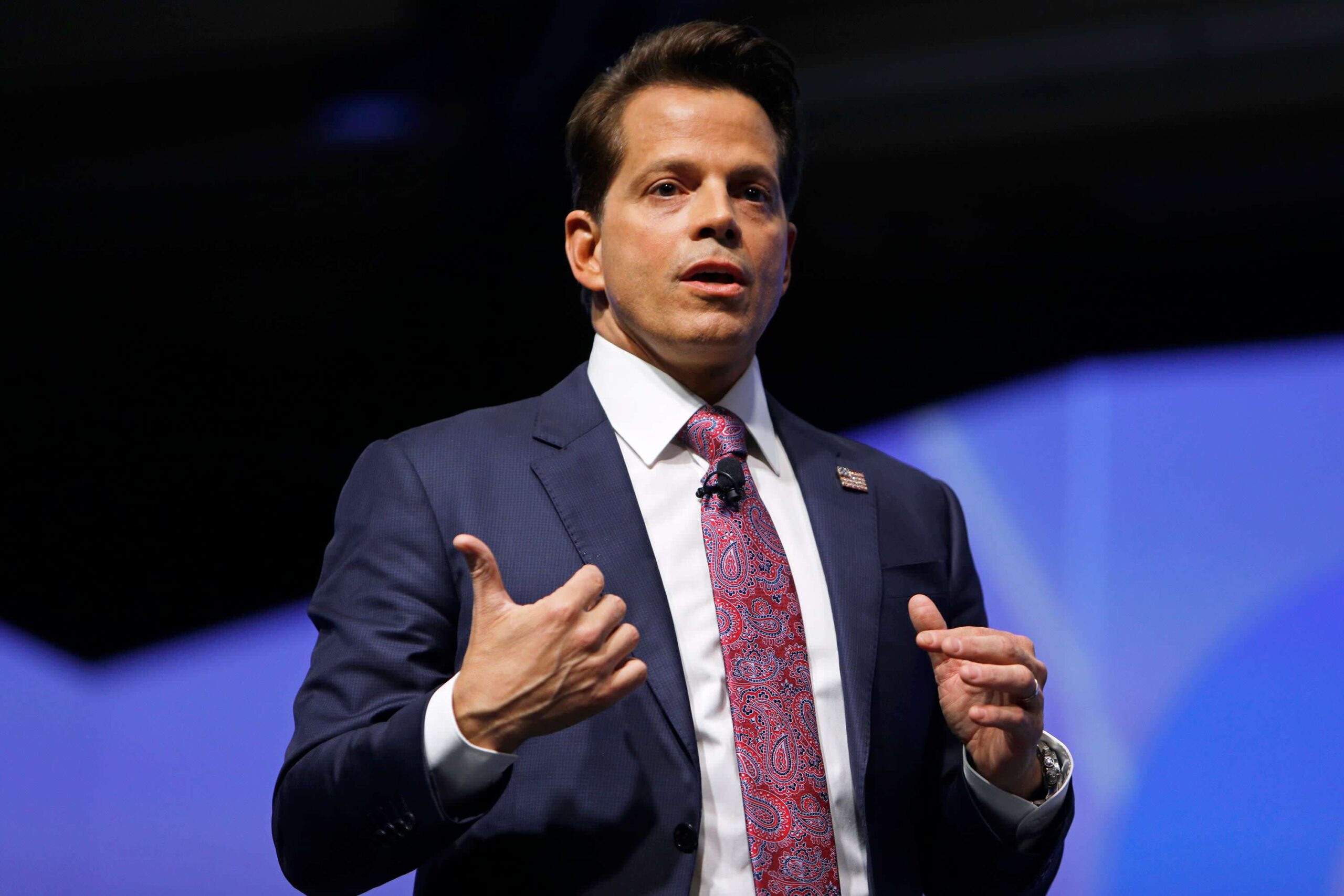
Scaramucci sees resilience in Bitcoin’s shallower bear market
Speaking at the Wyoming Blockchain Symposium, SkyBridge Capital founder Anthony Scaramucci identified Bitcoin’s recent 49% decline from its October 2025 peak as a distinct bear market. Despite the drop, he suggested the shallower drawdown compared to historical 80% crashes signals a more resilient base of net buyers.
Binance Reserve Data Shows Bitcoin Accumulation Amidst ETH, USDT Outflows
16,349 more Bitcoin sat in Binance user accounts on August 1 than the month prior, marking a sustained trend of accumulation. While Bitcoin reserves swelled to 657,000 BTC, holdings of Ethereum and Tether followed a downward trajectory, shedding significant volume across the exchange’s latest Proof of Reserves snapshot.

Bitcoin.com Integrates UAE-Regulated USDU Stablecoin into Wallet
Bitcoin.com is adding the USDU stablecoin to its self-custodial wallet, marking a shift toward integrating regulated assets into non-custodial environments. Issued by Universal Digital Intl. Limited, the token provides users with a dollar-backed asset supported by monthly reserve attestations and oversight from UAE financial authorities.
Bybit Blocks $700M in Fraudulent Withdrawals Amid Security Overhaul
Bybit intercepted more than $700 million in potential user losses during the first half of 2026, marking a significant shift in the exchange's defensive posture. The platform’s bolstered security architecture follows the devastating $1.46 billion hack in February 2025, which remains the largest cryptocurrency theft by value on record.

Wyoming Shifts Frontier Stable Token to Chainlink CCIP
The Wyoming Stable Token Commission has finalized the migration of its Frontier Stable Token (FRNT) from LayerZero to Chainlink’s Cross-Chain Interoperability Protocol. This transition, effective August 18, follows a state-led security review that raised specific concerns regarding LayerZero’s disclosure practices and internal operational controls.

Interstice Digital and FalconX launch cross-chain swap engine for Canton
Interstice Digital has unveiled a non-custodial swap engine connecting the Canton Network with Ethereum, Solana, and Robinhood Chain. By leveraging liquidity from FalconX, the platform enables institutional users to move assets between tokenized environments and public blockchains without requiring the company to hold custody of user funds.

Maya Protocol Halts Operations Following $1.7 Million Exploit
Maya Protocol suspended its cross-chain network after an attacker orchestrated a sophisticated exploit, chaining six distinct software vulnerabilities to drain approximately $1.7 million in Bitcoin and other assets. The breach triggered an immediate global halt, leaving the protocol’s developers scrambling to secure liquidity pools and restore swap functionality.

CLARITY Act faces legislative stalemate as midterm deadline looms
Miller Whitehouse-Levine, CEO of the Solana Policy Institute, estimates a mere 10% chance for the CLARITY Act to become law before November’s midterm elections. Speaking at the Wyoming Blockchain Symposium, he characterized the stalled digital asset market structure bill as currently trapped in a state of August recess purgatory.

Kalshi Seeks CFTC Approval for Equity and Copper Perpetual Futures
Kalshi has submitted two new perpetual futures contracts to the Commodity Futures Trading Commission, marking a significant push to expand its offerings beyond digital assets into traditional equity indexes and commodities. The move comes amid a high-stakes legal challenge from CME Group over the regulatory classification of such perpetual contracts.

Hyperliquid Proposes Regulatory Framework for Pre-IPO Derivatives
The Hyperliquid Policy Center and trade[XYZ] have petitioned the U.S. Securities and Exchange Commission to establish formal rules for pre-IPO perpetual contracts. This initiative seeks to classify equity-linked derivatives as legal financial instruments, potentially granting American retail investors access to price discovery tools currently restricted to offshore markets.
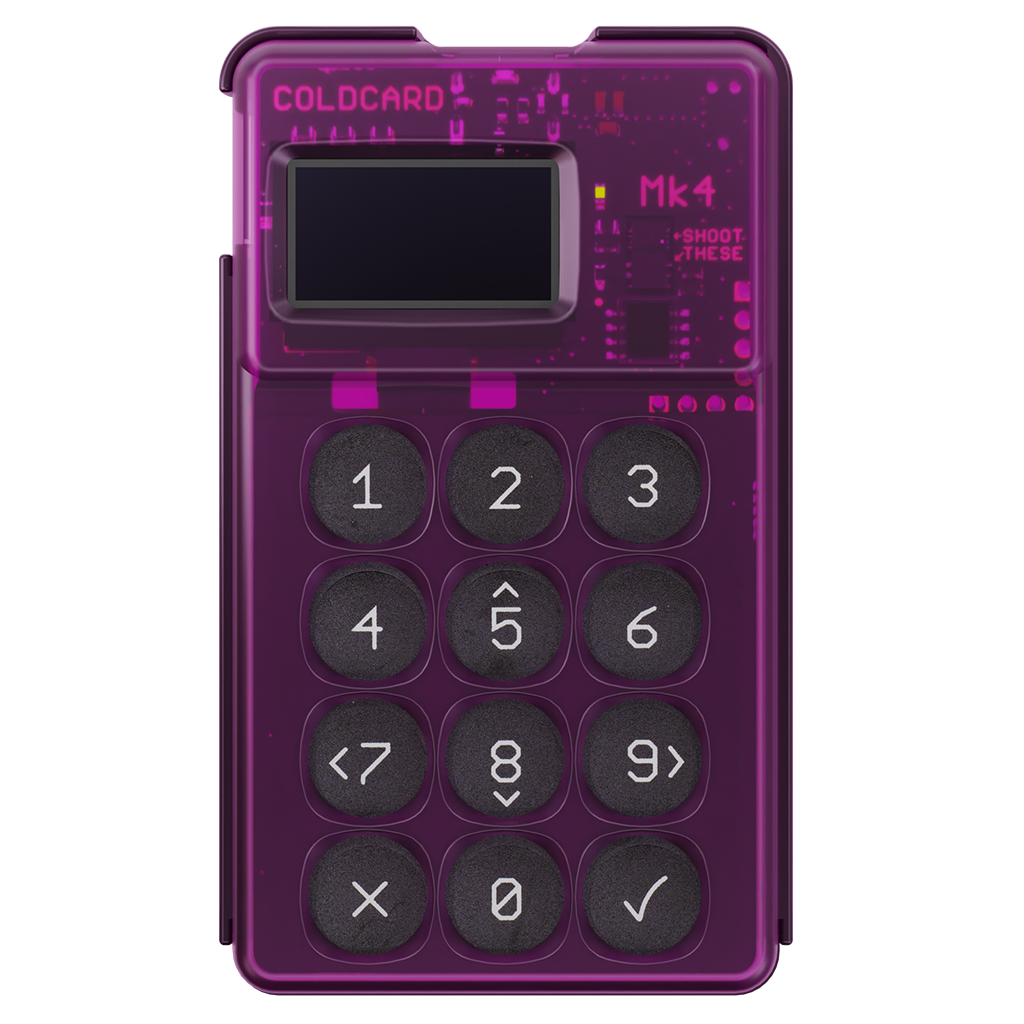
FBI May Hold Digital Trail to $69 Million Coldcard Theft
Investigators have reportedly uncovered a link between the initial wave of the Coldcard wallet thefts and a paid blockchain data account, potentially providing U.S. authorities with the information needed to identify the perpetrator behind the $69 million in Bitcoin that vanished during the attack.

FASB Sets Strict Accounting Thresholds for Stablecoin Cash Equivalents
The Financial Accounting Standards Board has introduced new guidance determining when companies may report stablecoins as cash equivalents. Under the proposal, tokens must grant holders direct, on-demand contractual redemption rights and be backed by segregated, highly liquid reserves to match the accounting treatment typically reserved for assets like Treasury bills.
BlackRock Maintains Long-Term Bitcoin Thesis Despite 50% Correction
Bitcoin’s sharp retreat from its October 2025 peak has wiped out more than half of its value, yet BlackRock remains committed to its long-term outlook. The asset manager argues that the recent market turbulence stems from excessive leverage and shifting capital flows rather than a fundamental flaw in the asset’s core properties.

VanEck signals potential Bitcoin accumulation phase by November
Eight of VanEck’s 12 proprietary capitulation indicators hit extreme historical levels by mid-August, signaling that Bitcoin may be entering a final accumulation phase. While the data suggests the current correction is nearing its end, the firm warns that historical patterns are not a guarantee of immediate price recovery.

Cypherpunk Acquires Zcash Mining Fleet in $33 Million Deal
Nasdaq-listed Cypherpunk Technologies has secured 18% of the global Zcash network hashrate by acquiring a 4.2 GSol/s mining fleet from entities linked to Winklevoss Capital. The $33.33 million deal, executed through a pre-funded share warrant, establishes the company as the world’s largest active operator of Zcash mining equipment.

SEC Proposes Two-Tiered Exemption Framework for Crypto Token Sales
The U.S. Securities and Exchange Commission has unveiled a proposed regulatory framework dubbed Reg Crypto, aiming to create specific pathways for digital asset issuers to raise capital. The plan introduces two distinct registration exemptions, allowing firms to bypass standard securities filings while adhering to new disclosure and reporting mandates.
CFTC Proposes Easing Registration Burdens for Investment Advisers
The Commodity Futures Trading Commission has launched a 45-day comment period on a regulatory overhaul designed to streamline oversight for investment advisers. The proposal seeks to eliminate duplicative registration requirements for SEC-registered firms and doubles the small-pool capital exemption threshold to $800,000 to better reflect current economic conditions.
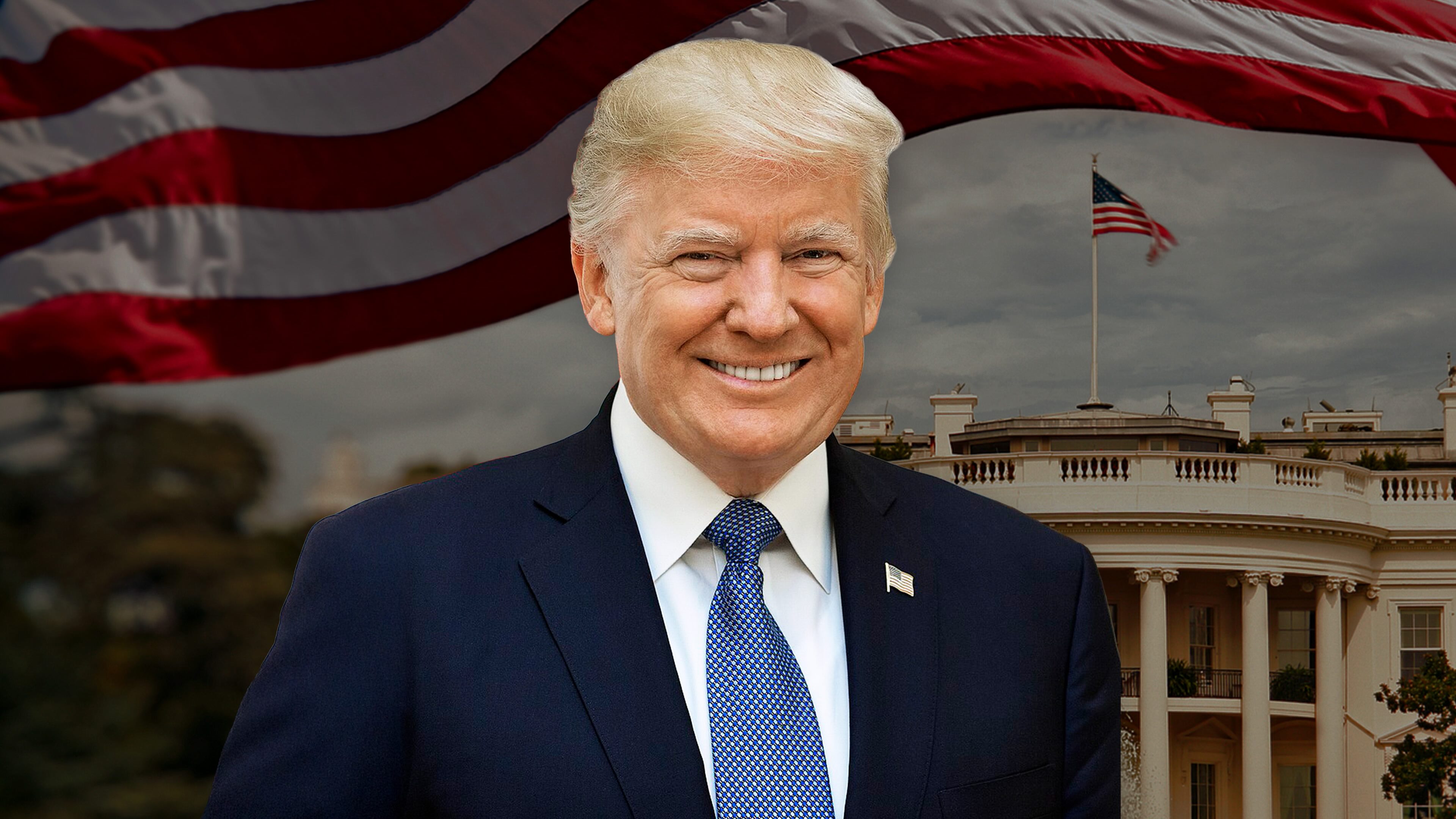
Bitcoin Nears $65,000 as U.S.-Iran Diplomatic Standoff Deepens
Bitcoin climbed above $64,600 on Tuesday as President Donald Trump flatly denied that Washington is engaged in any negotiations with Tehran. The geopolitical tension, centered on the restricted Strait of Hormuz, continues to keep global oil prices elevated above $91 per barrel, casting a shadow over broader financial markets.
Citi to Launch Institutional Bitcoin Custody by Year-End
Citigroup is preparing to integrate Bitcoin into its institutional asset management framework before the close of this year. The bank’s new Custody+ platform aims to consolidate digital asset holdings alongside traditional securities, allowing institutional clients to manage disparate asset classes through a single, unified digital architecture.
XPlace CEO calls for safer liquidity paths for digital assets
With over $42 billion locked in decentralized lending protocols, investors are increasingly looking to leverage their digital holdings without selling them. Artem Ponomarev, CEO of XPlace, argues that the industry must pivot from simple wealth acquisition toward providing responsible, secure credit tools that mirror traditional finance.
Securitize and Neuberger Launch Tokenized High-Yield Credit Fund
Securitize has partnered with investment manager Neuberger to launch a tokenized fixed-income fund, marking Neuberger’s first foray into the digital asset space. The Neuberger Securitize High Income Tokenized Fund, or HINC, will trade on four separate blockchains—Avalanche, Ethereum, Solana, and Sui—targeting yields from corporate debt.

0G Private Computer Adds Dollar Payments to Decentralized AI
Users can now access 28 private AI models on 0G Private Computer without managing a crypto wallet, as the platform introduces U.S. dollar payments via Stripe. The service, which reached 15,000 users in four months, has processed over 250 billion tokens and 17 million requests since its April launch.
Lynq CEO Warns Regulation Won't Close Institutional Settlement Gap
As industry leaders prepare for a high-stakes White House meeting on August 19, Lynq CEO Jerald David argues that regulatory clarity alone cannot solve the fundamental friction in institutional finance: the persistent mismatch between 24/7 digital asset markets and the rigid, business-day operating schedules of traditional banking and settlement systems.

Crypto Card Spending Surges to $759 Million in July
Crypto payment card spending reached $759 million in July, a 2.5-fold increase over the previous year. Data from Paymentscan shows that nearly 9 million individual purchases were settled during the month, driven primarily by the growing adoption of dollar-backed stablecoins across diverse blockchain networks.

Goldman Sachs to Acquire LCN Capital Partners for $410 Million
Goldman Sachs has entered an agreement to acquire LCN Capital Partners, a firm specializing in sale-leaseback and net-lease real estate investments, in a deal valued at up to $410 million. The move adds $3 billion in commercial property assets to the bank's sprawling $706 billion alternatives investment division.
Metaplanet pivots to US markets with Superplanet Bitcoin treasury
Japanese firm Metaplanet is set to anchor its American expansion by injecting 2,100 Bitcoin and $2.5 million into Nasdaq-listed Super League Enterprise. The deal, which grants Metaplanet a 95.7% stake in the newly rebranded entity Superplanet, marks a significant push to tap into U.S. capital markets through a Bitcoin-backed treasury model.