Cryptocurrency

Grayscale Updates Zcash ETF Filing as DCG Weighs $110M Investment
Grayscale has submitted its fourth amendment to convert the Zcash Trust into an exchange-traded fund, revealing that a subsidiary of Digital Currency Group is considering a $110 million stake in the proposed vehicle. The filing seeks to transition the ZCSH ticker to NYSE Arca, contingent on regulatory approval.

Core Scientific’s $24B AI pivot meets the reality of heavy debt
Core Scientific has successfully rebranded from a bankrupt Bitcoin miner into a high-density AI infrastructure powerhouse, securing $24 billion in potential long-term contract revenue. Yet, this aggressive transition now rests on a precarious foundation of construction risks, customer concentration, and a ballooning $4.3 billion debt load.
2.png)
Injective Secures SEC Transfer Agent Registration for Tokenized Assets
Injective has gained U.S. Securities and Exchange Commission registration as a transfer agent through its affiliate, Injective Institutional Services. The move marks a shift for the Layer 1 blockchain, providing a regulated framework to maintain official ownership records for tokenized securities and process administrative corporate actions.

Swift Connects HSBC and Standard Chartered in Blockchain Pilot
On August 19, 2026, Swift executed the first live interbank transaction using its blockchain-based ledger, bridging tokenized deposit platforms from HSBC and Standard Chartered. The trial marks a significant shift in how global financial institutions coordinate payment obligations without requiring a single, shared issuance platform for their digital assets.

CFTC Seeks Market Guidance on AI Compute Derivatives
The Commodity Futures Trading Commission has opened a public inquiry into the oversight of derivatives tied to AI computing capacity. As firms move to hedge the volatile costs of GPU rentals, regulators are weighing the risks of market manipulation and the transparency of private pricing benchmarks in this emerging sector.

Gallego warns rushed CLARITY Act vote could derail crypto deal
Senator Ruben Gallego cautioned on August 19 that forcing a Senate floor vote on the CLARITY Act could jeopardize ongoing negotiations over U.S. crypto market regulations. Speaking at the SALT Wyoming Blockchain Symposium, the Arizona Democrat urged industry stakeholders to prioritize long-term consensus over the pursuit of an immediate procedural victory.

OKX tightens AI controls after Anthropic account suspension
A brief suspension of OKX’s enterprise account with Anthropic has forced the crypto exchange to restrict employee access to the Claude AI model in Hong Kong and mainland China. The move highlights the growing friction between aggressive corporate AI adoption and the complex regional licensing policies governing large language models.

CFTC Finalizes Trading Bans for Former FTX Executives
A U.S. federal court has finalized enforcement actions against former Alameda Research and FTX executives Caroline Ellison and Gary Wang, imposing multi-year trading and registration bans. These supplemental consent orders conclude the Commodity Futures Trading Commission's litigation against the pair, following their extensive cooperation in the government's broader fraud investigation.

BitGo Korea Clears Regulatory Hurdle for Institutional Crypto Custody
BitGo Korea has secured virtual asset service provider registration from South Korea’s Financial Intelligence Unit, marking the first time a local entity majority-owned by an overseas firm has navigated the process independently. The approval arrives just before the implementation of significantly stricter regulatory oversight for crypto businesses in the country.

Arthur Hayes unveils 10-year FLOP token distribution plan
BitMEX co-founder Arthur Hayes has outlined a strategy to allocate 20% of the Flop Network’s token supply to testnet participants over the next decade. The initiative aims to incentivize a decentralized marketplace where AI agents purchase computing power using a standardized unit of work rather than model-specific fees.
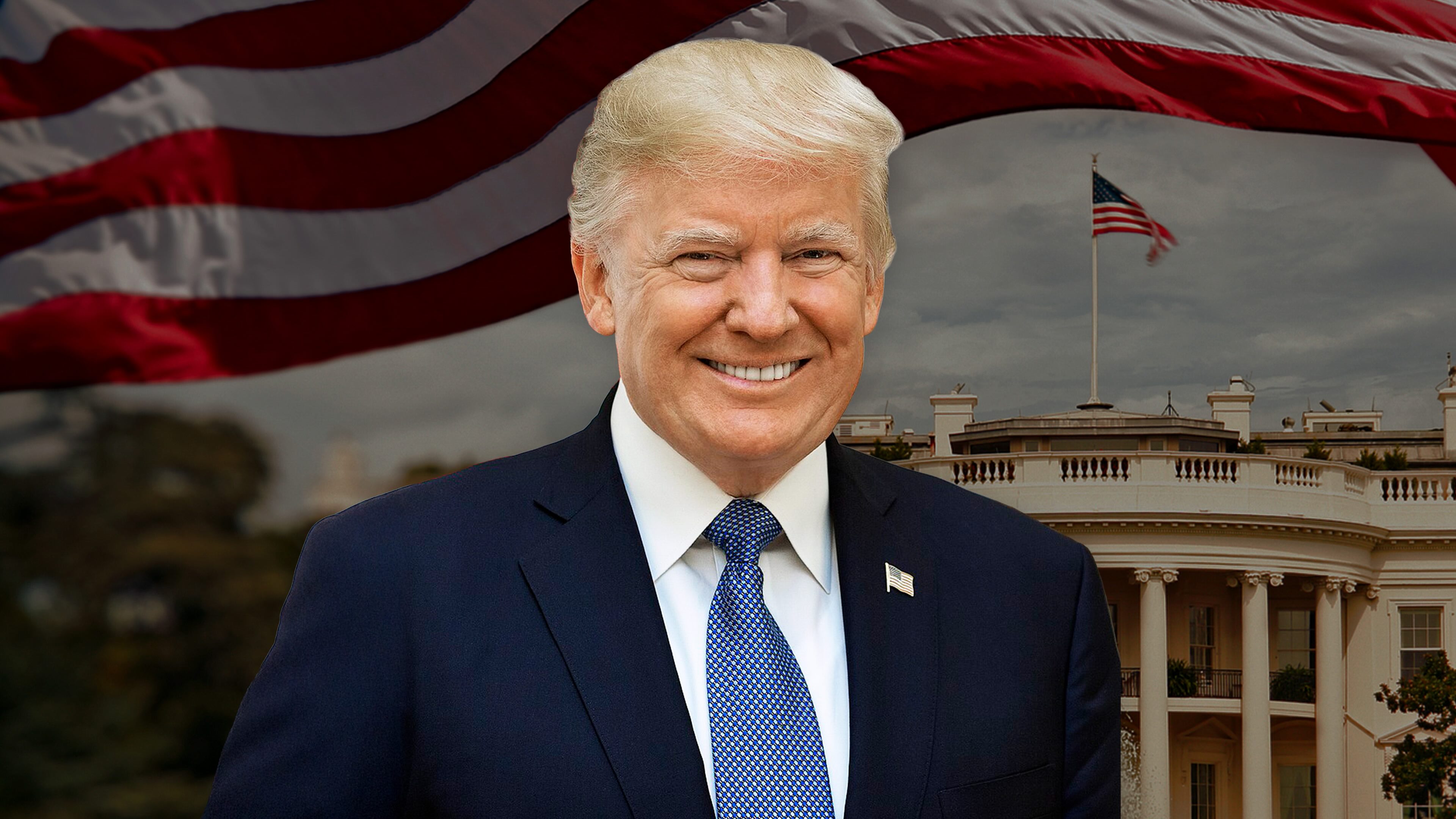
Trump Pushes for CLARITY Act as Senate Passage Faces Long Odds
Conflict: President Donald Trump is urging Congress to pass a "fair" version of the CLARITY Act, aiming to codify digital asset policies into permanent law. Despite the push, deep-seated disagreements over ethics rules and decentralized finance remain, leaving the bill’s chances of clearing a 60-vote Senate hurdle increasingly slim.

Fixing the AI truth gap: Geo founder on human-verified knowledge
Yaniv Tal, founder of the knowledge network Geo, contends that the unreliability of AI stems not from machine logic, but from the flawed architecture of the internet. By stripping context and provenance from information, the web’s current data pipelines feed models a mix of evidence and noise that inevitably leads to distorted outputs.

VanEck signals market capitulation, but warns against quick Bitcoin rebound
Bitcoin has tripped eight of VanEck’s 12 capitulation indicators following a 49% slide from its record peak, signaling a period of intense market stress. While the firm identifies these metrics as a guide to the current cycle, historical backtesting suggests investors should not anticipate a rapid recovery in the near term.

Coinbase Integrates Hyperliquid for High-Leverage Trading on Base App
Coinbase has expanded its Base App capabilities by integrating Hyperliquid, enabling users to trade over 290 perpetual contract markets with up to 50x leverage. This move marks a strategic shift for the platform, which is moving away from failed social-feature experiments to prioritize high-demand financial derivatives and trading infrastructure.

OCC Targets November for Final GENIUS Act Stablecoin Rules
The Office of the Comptroller of the Currency expects to finalize its primary GENIUS Act regulations by November, following a period of industry feedback. Comptroller Jonathan Gould announced the timeline at the Wyoming Blockchain Symposium, signaling that the agency intends to refine its proposed stablecoin framework before official publication.

Nethermind Shifts Cross-Chain Operations from LayerZero to Chainlink
Ethereum engineering firm Nethermind has stepped down from its role as a decentralized verifier for LayerZero, opting instead to join Chainlink as a node operator and strategic technology provider. The move marks a significant consolidation of infrastructure support toward Chainlink’s Cross-Chain Interoperability Protocol.

Ethena and FalconX Partner on $1 Billion Institutional Lending Facility
Ethena and FalconX have unveiled a $1 billion secured lending facility designed to deploy USDe backing assets into institutional loans. The arrangement utilizes a special purpose vehicle to originate credit for corporate treasury and trading operations, marking a shift toward traditional institutional financing for the synthetic dollar protocol.

Strive Director Pierre Rochard Acquires $200K in Common Stock
Strive director Pierre Rochard purchased 15,900 shares of the company’s common stock for roughly $199,386 on August 14, marking his first direct acquisition of the equity. The transaction occurred as Strive’s preferred Series A stock neared its $100 par value, potentially signaling renewed flexibility for the firm's Bitcoin treasury strategy.
H100 Group Reports $10.3M Loss as Bitcoin Holdings Weigh on Balance Sheet
Sweden-listed H100 Group posted a pre-tax loss of 98 million Swedish kronor, equivalent to $10.3 million, for the second quarter of 2026. The firm attributed the shortfall almost entirely to non-cash write-downs following a period of sustained volatility in the price of Bitcoin, which remains the centerpiece of its corporate treasury strategy.
Ripple Prime Secures $275 Million for U.S. Brokerage Expansion
Ripple Prime has raised $275 million through a private offering of senior unsecured notes to institutional investors, signaling a push to scale its U.S. operations. The capital injection will bolster the firm’s prime brokerage, multi-asset clearing, and financing services as it deepens its integration into traditional financial infrastructure.

GameFi Alliance to Host Web3 Gaming Summit in Singapore
On October 6, 2026, Singapore will host the Web3 Gaming Summit, a gathering designed to bridge the gap between high-end game design and decentralized infrastructure. By shifting focus from theory to technical execution, the event aims to unite studios, developers, and infrastructure providers to refine the future of interactive digital entertainment.

Telegram seeks .gram domain to power user-built websites
Telegram has filed an application with ICANN to operate the .gram top-level domain, a move that could grant more than one billion monthly active users the ability to register personal web addresses and launch interactive sites through the messaging platform.

Nexo Brings Regulated Crypto Credit Lines to Australia
Nexo Australia has officially launched crypto-backed credit lines, securing its position as a Credit Representative under the National Consumer Credit Protection Act. The move allows local investors to borrow Australian dollars or stablecoins against their digital holdings while retaining market exposure, marking a push into the region's expanding digital wealth sector.
Singapore Court Freezes S$75 Million in Crypto Over Ledger Error
The Singapore International Commercial Court has issued an interim injunction freezing S$75 million in Bitcoin and USD Coin following a high-stakes dispute between a major digital asset trading platform and a long-time customer who allegedly benefited from a massive internal ledger error.

Visa Scours Market for New Stablecoin Settlement Partner
Visa has launched a confidential search for a new stablecoin settlement and over-the-counter provider, looking to secure a firm licensed across the U.S., Canada, the U.K., and Singapore. The move follows Mastercard’s recent acquisition of BVNK, the infrastructure firm that previously handled these critical payment services for the payment giant.

Nexo Enters Australian Market With Regulated Crypto-Backed Loans
Nexo Australia has officially launched crypto-backed credit lines, securing status as an authorized credit representative under the country's consumer credit framework. The move allows eligible customers to borrow Australian dollars or stablecoins against digital assets without liquidating their holdings, filling a niche in the expanding local digital finance sector.

Sei Launches Eidos Upgrade to Reach 200,000 Transactions Per Second
Sei has initiated the phased rollout of its Eidos storage upgrade, a critical architectural overhaul designed to eliminate bottlenecks hindering the network's Giga roadmap. By decoupling EVM state and optimizing data verification, the project aims to support a throughput of 200,000 transactions per second without sacrificing performance.

BitGo and AllUnity Launch Institutional Stablecoin Liquidity Hub
BitGo Europe has partnered with German issuer AllUnity to provide institutional clients direct access to three regulated, fiat-backed stablecoins. By integrating AllUnity’s Business Mint Account with its own custody and trading infrastructure, BitGo becomes the primary liquidity partner for tokens pegged to the euro, Swiss franc, and Swedish krona.

SPiCE International 2026 Returns to Cebu to Shape Asia’s Gaming Future
Eventus International has confirmed the return of its flagship B2B gaming exhibition, SPiCE International, to Cebu, Philippines, on November 12–13, 2026. The event serves as a strategic hub for operators, regulators, and technology innovators to navigate the region’s rapid digital transformation and evolving regulatory landscape.

Decred issues mandatory v2.1.6 patch to resolve critical security flaws
Decred has released a mandatory software update, v2.1.6, to address a critical consensus vulnerability and potential deanonymization risks within its transaction mixing system. The patch also implements essential network-level security measures to prevent denial-of-service attacks, forcing users to upgrade immediately to remain on the main network chain.