Cryptocurrency

Bullish Backs USD.AI with $100M Facility for GPU-Backed Loans
Bullish has committed a $100 million stablecoin debt facility to USD.AI, providing the protocol with capital to finance high-performance computing hardware. The deal marks a strategic push by the exchange operator to expand its exposure to real-world assets by funding infrastructure operators through non-recourse, hardware-secured loans.

Lazarus Group Shifts $19 Million in Bitcoin Amid Heightened Scrutiny
Wallets linked to the North Korea-backed Lazarus Group moved 244.148 Bitcoin, valued at approximately $19.42 million, on August 28. While blockchain analytics firm Lookonchain confirmed the transaction, the ultimate destination of the funds—whether to an exchange, a mixer, or another internal address—remains unverified by investigators.

HyENA platform shutters after processing $4 billion in trades
After facilitating over $4 billion in trading volume for 12,000 users, the derivative platform HyENA is winding down operations. The shutdown follows shifts in Hyperliquid’s stablecoin ecosystem, which effectively narrowed the utility for the USDe-backed margin products that served as the project’s core offering.
Stash of Lost Bitcoin Linked to Irish Drug Dealer Moves to Coinbase
A wallet once thought to be permanently locked has transferred 500 BTC, worth approximately $39.56 million, to the institutional platform Coinbase Prime. The movement follows years of uncertainty regarding the assets, which were famously hidden inside a fishing rod case by convicted Irish drug dealer Clifton Collins.

Solana-based Avici hit by $1M exploit, token hits record low
A systematic security breach targeting the Solana-based crypto card platform Avici has drained over $1 million in user collateral. As reports of unauthorized withdrawals emerged, the project’s native AVICI token plummeted nearly 50%, reaching an all-time low of $0.2175 amid growing concerns over the platform's self-custody architecture.

Tokenized Gold Emerges as Productive Collateral in Crypto Lending
Investors are increasingly deploying tokenized gold as collateral for crypto-backed loans, signaling a shift in how holders view digital bullion. As demand surges on platforms like Aave and Arch Lending, users are moving beyond passive ownership to leverage their assets for liquidity without exiting their long-term gold positions.

Former Defense Secretary Esper Urges Senate to Pass CLARITY Act
Former U.S. Defense Secretary Mark Esper has framed the pending CLARITY Act as a critical national security imperative, warning the Senate that failure to establish comprehensive digital asset regulations by the September 15 procedural vote could erode American financial influence and compromise the nation's ability to enforce global sanctions.

Strive Bitcoin Buying Power Surges as SATA Reclaims Par Value
Strive’s Variable Rate Series A Perpetual Preferred Stock has generated enough estimated capital to purchase 1,192 Bitcoin this week, according to market monitoring. The uptick follows the security’s return to its $100 stated value, a milestone that allows the company to resume issuing new shares to fund its aggressive treasury strategy.

Fed Chair Warsh Signals Potential Rate Hikes as Inflation Persists
Federal Reserve Chair Kevin Warsh signaled that further interest-rate increases remain on the table, citing inflation levels that continue to significantly outpace the central bank’s 2% target. The remarks, delivered during his first Jackson Hole keynote, prompted a swift market reaction, dragging Bitcoin below the $80,000 threshold.
Strategy’s Bitcoin hiatus lifts market sentiment, Bitfinex says
The two-week pause in Bitcoin sales by Strategy has effectively neutralized a persistent bearish narrative that shadowed the crypto market throughout the summer. By shifting focus toward share issuance to fund operations, the firm has removed the immediate pressure that had traders bracing for further supply-side liquidations.

Solana Backs Accelerated Inflation Cuts in Governance Vote
Solana’s governance community has narrowly approved a proposal to accelerate the network’s disinflation schedule, securing 67% support. The mandate, which barely cleared the required two-thirds threshold, sets the stage to reduce projected SOL issuance by approximately 18.9 million tokens over the next six years.

Bitwise Solana ETF Hits $1 Billion Milestone in Market First
The Bitwise Solana Staking ETF has become the first product of its kind to surpass $1 billion in assets under management. This milestone, reached less than ten months after the fund's launch, highlights a resilient appetite for Solana exposure despite a volatile first half of 2026.
Metaplanet Shifts $108M in Bitcoin to Coinbase Prime
Metaplanet has transferred 1,350 Bitcoin, valued at approximately $108 million, to the Coinbase Prime platform. This latest movement follows a similar transfer of 1,000 BTC just three days prior, igniting market speculation regarding the firm's intentions for its massive digital asset treasury as Bitcoin struggles to maintain momentum above $80,000.

Circle to feature on Chelsea kits in 2026/27 sponsorship deal
Chelsea Football Club has confirmed a principal partnership with Circle Internet Group, placing the USDC stablecoin brand on the front of men’s, women’s, and academy shirts starting with the 2026/27 season. The branding will make its Premier League debut during the men’s home match against Brighton this Sunday.

Beyond the Rally: Four Forces Reshaping Crypto Markets
While market commentary fixates on green candles and central bank policy, a deeper structural shift is moving retail investors toward native on-chain execution. Robinhood’s launch of its own chain highlights this transition, signaling a broader movement where ownership, liquidity, and autonomous agents redefine how global wealth is managed.
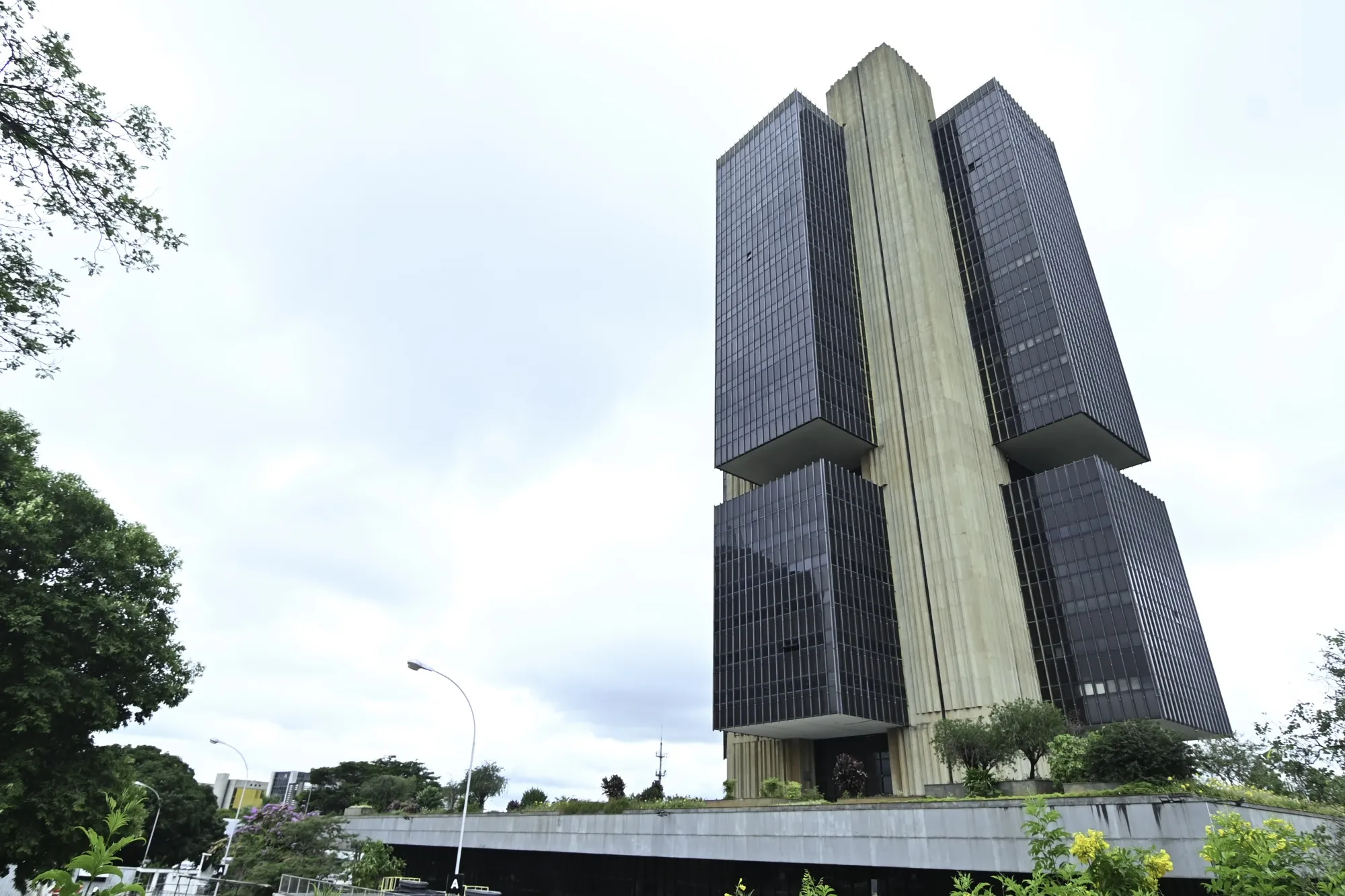
Brazil Central Bank Launches Crypto Threat Alert System
Following a $180 million cyberattack that saw illicit funds funneled into digital assets, Brazil’s central bank is rolling out a real-time monitoring system. Developed with security firm Hypernative, the platform connects domestic banks and cryptocurrency exchanges to track stolen capital as it traverses the financial system.
UK Crypto Gains Top £1.38 Billion as Tax Scrutiny Intensifies
A elite tier of 240 UK taxpayers reported individual crypto capital gains exceeding £1 million during the 2024-25 tax year, contributing significantly to a total of £1.38 billion in gains declared to HM Revenue and Customs as the agency bolsters its enforcement capabilities against undeclared digital asset wealth.

California Legislators Move to Ban Meme Coins Issued by Public Officials
California lawmakers have passed Assembly Bill 2409, a measure designed to prohibit state and local public officials from issuing meme coins. The legislation, which now awaits Governor Gavin Newsom’s signature, aims to curb potential conflicts of interest and prevent the use of government authority for private financial gain.

OpenSea Integrates Live Onchain Data with Perplexity Computer
Perplexity Computer can now tap into real-time onchain market data from OpenSea, allowing the AI agent to answer complex queries about token and NFT trading activity. This integration provides the AI with access to live, verifiable transaction signals across more than 25 distinct blockchain networks.
The Stacks Gamble: Assessing STX as a Bitcoin-Native Yield Engine
Stacks aims to transform the Bitcoin ecosystem by positioning STX not merely as a governance token, but as the essential collateral and fee asset for a burgeoning layer of financial infrastructure. Whether this strategy creates sustainable demand or merely amplifies volatility remains the central question for its 2026 outlook.
DeFi Development Expands Solana Treasury to 2.33 Million SOL
DeFi Development Corp. resumed its aggressive accumulation strategy on August 27, purchasing 19,000 SOL at an average price of $98.14. The $1.86 million acquisition pushes the company’s total treasury holdings to approximately 2.33 million SOL and equivalents, financed in part by proceeds from the recent ZeroStack divestment.

Crypto Hacks Drain $3.63 Billion Over 19 Months
Between January 2025 and July 2026, cryptocurrency platforms suffered 245 documented security breaches resulting in losses of $3.63 billion. According to CoinGecko’s latest report, the overwhelming majority of these funds were siphoned through infrastructure compromises and private-key theft rather than simple smart-contract flaws.
Solana leads $100 million inflow surge for Bitwise crypto ETFs
Investors poured approximately $100 million into Bitwise’s suite of U.S. crypto exchange-traded products on August 27, signaling a sharp appetite for altcoin exposure. While Bitcoin remains a staple, Solana products captured the largest share of the daily intake, drawing roughly $40 million in net new capital.
Capital B Targets 3,415 BTC Holdings With €21 Million Private Placement
Capital B secured €21 million in a private share placement backed by institutional investors including Blockstream co-founder Adam Back and asset manager TOBAM. The firm intends to deploy the net proceeds of €19.9 million to expand its corporate Bitcoin treasury, potentially increasing its holdings to 3,415 BTC.

CCC Token Suffers $117,000 Exploit on BNB Smart Chain
An attacker drained approximately $117,000 from the CCC token ecosystem on August 28 by manipulating the project’s smart contract. Security firm TenArmorAlert reported that the exploit centered on the contract’s sell() function, which was weaponized to burn tokens directly from the project’s liquidity pool, triggering immediate price instability.
Ripple moves to scrap XChainBridge amendment from XRP Ledger
Ripple has formally recommended withdrawing the XChainBridge amendment, known as XLS-38, citing the successful integration of Axelar for cross-chain connectivity and a lack of substantive developer interest. The proposal, once intended to facilitate asset movement across private and public sidechains, now faces a path toward removal from the network's codebase.
Bank of Russia blacklists 2,600 crypto wallets tied to fraud
The Bank of Russia has signaled a crackdown on illicit digital asset flows, flagging 2,600 cryptocurrency wallets linked to suspected financial scams. These addresses, which facilitated over 1 billion rubles in transactions during the first half of 2026, are now integrated into a monitoring system used by domestic banks and law enforcement.
Bitcoin Struggles at $82K Resistance as Peter Brandt Maintains Long
Veteran trader Peter Brandt remains bullish on Bitcoin, holding a long position as the cryptocurrency faces a stubborn resistance ceiling near $82,000. Despite recent attempts to break through this threshold, the asset continues to trade within a tight range, leaving traders watching for a decisive move to confirm the next trend.

SEC Proposes Public Token Sale Path, But Market Appetite Has Shifted
The US Securities and Exchange Commission has unveiled a proposal allowing crypto projects to raise up to $75 million annually without full registration, marking a formal effort to legalize public token sales. However, the move arrives years after the ICO frenzy, as investor capital has migrated toward established assets.

Tokenized Deposits Could Drain $580 Billion in U.S. Bank Lending Capacity
A 10% reduction in the average lifespan of bank deposits due to tokenization could strip $580 billion from the U.S. banking system’s ability to fund long-term loans. New research from the Federal Reserve Bank of Dallas highlights how faster, programmable money may fundamentally alter the traditional maturity transformation model.