Cryptocurrency

G20 Pushes for Unified Digital Asset Oversight
Finance ministers and central bank governors from G20 nations have pledged to develop clear, harmonized regulatory frameworks for digital assets. Meeting in Asheville, North Carolina, officials prioritized balancing the potential for financial innovation with the pressing need to mitigate cross-border risks and preserve global monetary stability.
Global Banking Consortium Targets 2027 Stablecoin Launch
Twenty-one major financial institutions, including Bank of America, Citi, and Goldman Sachs, have committed to forming a joint venture to issue a U.S. dollar-denominated stablecoin. The group, spanning four continents, aims to launch the digital asset in the first half of 2027 to facilitate wholesale, institutional, and retail payments.

Hyperliquid Strategies Expands Equity Facility to $2.5 Billion
Hyperliquid Strategies has increased its equity financing facility with Chardan Capital Markets to $2.5 billion, according to a September 1 SEC filing. The move follows the firm nearing its original $1 billion limit, providing the company with additional flexibility to fund corporate operations and potential token acquisitions.

ARK Invest Study Ranks Bitcoin as Most Decentralized Network
A new joint report from ARK Invest and Glassnode challenges conventional metrics of blockchain decentralization, finding that while Bitcoin, Ethereum, and Solana face varying degrees of concentration, Bitcoin maintains the highest overall resilience due to its low verification costs and anonymous node distribution.
Thai businessmen sue Tether over $42.4M blacklisted wallet freeze
Two Thai entrepreneurs have filed a lawsuit against Tether in the U.S. District Court for the Southern District of New York, challenging the stablecoin issuer’s authority to freeze $42.4 million in USDT based on an informal request from Homeland Security Investigations before a formal seizure warrant existed.
Bitcoin Slides Below $77,000 as Middle East Conflict Escalates
Bitcoin plummeted below the $77,000 threshold on Tuesday after U.S. military strikes against Iranian targets triggered a broad retreat from risk assets. The operation, aimed at Islamic Revolutionary Guard Corps positions, sent oil prices surging above $90 per barrel and ignited a wave of selling across global financial markets.
Fed Governor Barr Signals Potential Rate Hikes as Inflation Persists
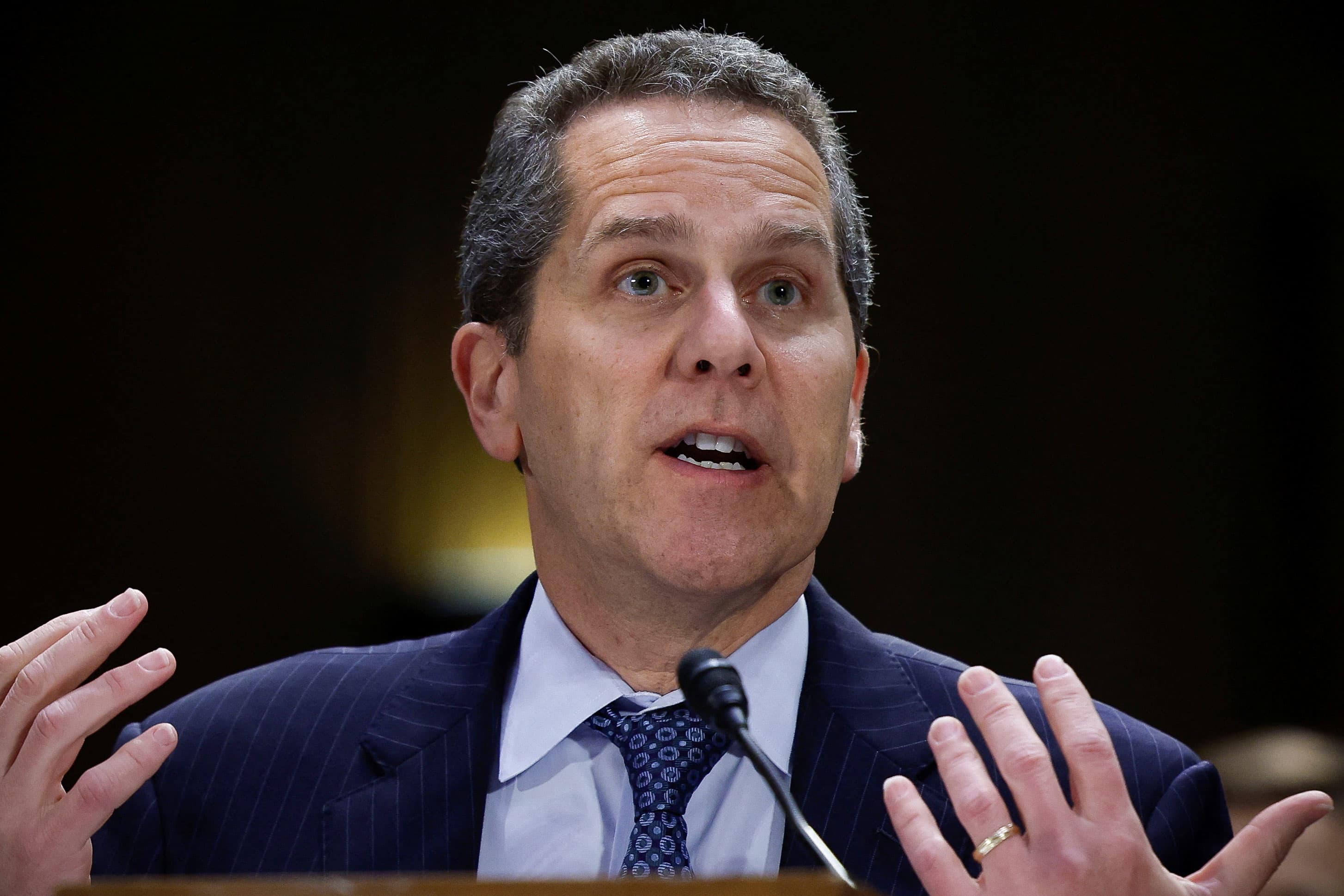
Federal Reserve Governor Michael Barr has signaled a willingness to raise interest rates if inflation fails to show a clear downward trend toward the central bank's 2% target, a stance that aligns with growing market expectations for a shift in monetary policy ahead of the mid-September meeting.

X Investigates Surge in Unsolicited Password Reset Requests
A sudden influx of unsolicited password-reset emails and confirmation codes has prompted an investigation by X, though the platform reports no evidence of a system-wide breach. The surge coincides with the broader rollout of X Money, leading officials to suspect that bad actors are targeting accounts for their newfound financial utility.
Kast Launches Global Stablecoin Platform for Business
Fintech firm Kast has unveiled a business platform allowing companies to manage fiat accounts, stablecoins, and virtual cards across 170 countries. The service offers up to 8% APY on idle balances and 3% cashback on expenses, aiming to reach up to 5,000 active corporate clients by the end of 2026.
SEC Seeks 40-Year Update to Transfer Agent Rules for Tokenized Assets
The U.S. Securities and Exchange Commission has unveiled its first major overhaul of transfer-agent regulations in four decades, aiming to pull outdated 1970s standards into the era of blockchain recordkeeping and tokenized securities. The proposal seeks to manage systemic risks as digital assets increasingly integrate into regulated financial markets.

Fake Claude Desktop App Used to Deploy RevStealer Malware
A deceptive desktop application masquerading as "Claude Opus 5 Free Desktop" is actively distributing RevStealer, a sophisticated malware strain capable of harvesting credentials from over 50 cryptocurrency wallets, 12 password managers, and various web browsers across Windows systems, according to cybersecurity firm Morphisec.

RedStone disputes oracle failure in $75M Tectonic exploit
The $75 million drain of the Tectonic lending protocol was not a failure of oracle data, but a collapse of internal risk management, according to RedStone co-founder Marcin Kazmierczak. The incident occurred after the TONIC token’s price spiked 100-fold in 20 minutes, allowing an attacker to drain assets.

Chainlink integrates US economic data across ten blockchain networks
The U.S. Department of Commerce is leveraging Chainlink’s oracle infrastructure to broadcast official macroeconomic statistics directly onto public ledgers. By automating the delivery of GDP, inflation, and private demand figures, the initiative allows decentralized applications to integrate government-verified data without manual intervention or third-party intermediaries.
Predict.fun Launches Developer Dashboard to Automate API Access
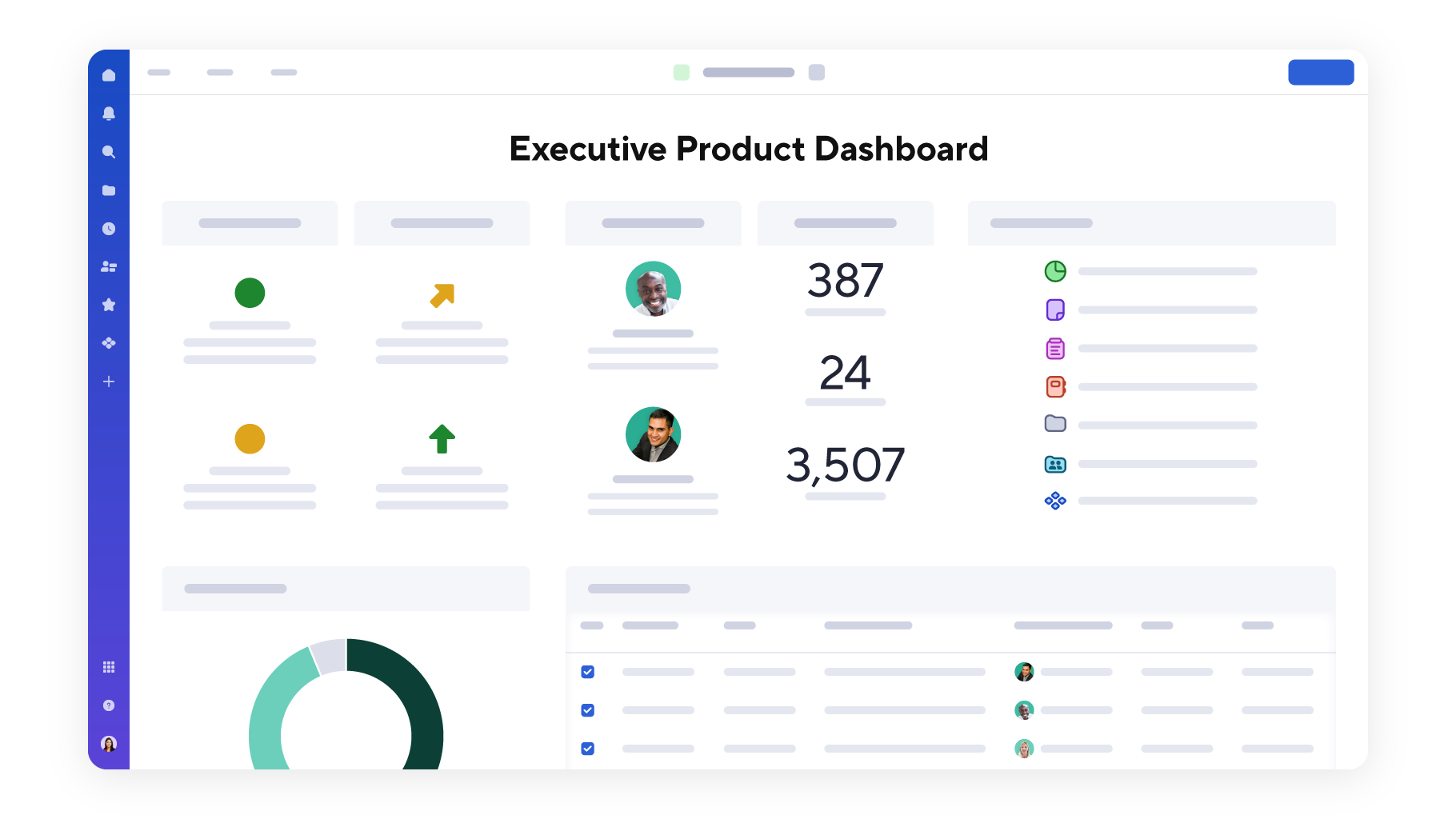
Predict.fun has moved away from manual support requests, launching a self-service portal that allows developers to generate API keys, monitor usage, and manage rate-limit tiers directly. The update streamlines integration for the BNB Chain-based prediction market, which has processed over $1.8 billion in volume since late 2025.

OKX Expands European Margin Trading with 10 New USDC Pairs
OKX is broadening its European market reach by adding 10 new spot margin pairs quoted in USDC, offering traders up to 10x leverage. The expansion arrives as tokens like NEAR and ENA experience notable volatility, climbing 7.2% and 5.6% respectively over the past 24 hours.

RedStone brings instant exits to NYLIM tokenized bond fund
RedStone is introducing same-block exits for holders of Centrifuge’s tokenized NYLIM U.S. High Yield Corporate Bond fund, bypassing the standard three-day redemption wait. Through a 300-millisecond offchain auction, the service allows liquidity providers to purchase fund units immediately in exchange for a discount.

Ethena Pay launches mobile beta with up to 6% rewards
Ethena has opened its Ethena Pay beta to an initial group of 400 users, debuting a self-custodial mobile app that integrates USDe balances with a Visa payment card and Avalanche-based settlement, offering annual rewards of up to 6% across 49 countries.

Cardano and Blockforce Scale Supply Chain Verification to 500,000 Records
A new partnership between the Cardano Foundation and Brazilian tech firm Blockforce has pushed half a million supply chain records onto the public blockchain. By utilizing a hybrid ledger system, the collaboration aims to provide verifiable proof of authenticity for industrial goods while keeping sensitive commercial data strictly private.
Strategy’s STRC buybacks cross $635 million as stock lingers below par
Despite pouring $635.2 million into repurchasing its STRC perpetual preferred stock, Strategy has yet to see the security trade consistently at its $100 par value. The company’s latest weekly buyback effort reached $151.8 million, even as it pivoted back toward aggressive Bitcoin accumulation following a two-month acquisition pause.

Top 5 embedded verification SDKs for DeFi in 2026
As decentralized finance expands into lending, payments, and tokenized real-world assets, developers are moving beyond traditional onboarding. They are now integrating embedded verification SDKs directly into their platforms to handle identity and compliance requirements without forcing users through disconnected, repetitive experiences.
Beyond HODLing: Navigating the Evolving Bitcoin Yield Landscape
Bitcoin holders are moving past simple lending, exploring a 2026 landscape where yield strategies range from self-custodial staking to complex managed DeFi vaults. As options proliferate, investors must now weigh the trade-offs between native BTC returns, smart-contract exposure, and the underlying durability of the economic incentives provided.

MicroStrategy fights MSCI plan to exclude crypto treasury firms
MicroStrategy has formally challenged MSCI’s proposed screening rules for non-operating assets, arguing the methodology unfairly targets digital asset treasury firms. Executives Michael Saylor and Phong Le labeled the proposal discriminatory, warning that potential index exclusion would damage MSCI’s reputation as a neutral provider while offering no meaningful benefit to investors.
Binance Adds Physically Settled U.S. Stock and ETF Options
Binance has expanded its platform to include physically settled options for U.S.-listed stocks and exchange-traded funds, allowing users to trade calls and puts linked to traditional equities. The move marks a shift away from cash-settled derivatives, as exercised contracts now result in the delivery of actual shares.

London Stock Exchange to tokenize major UK equities via Kraken parent
The London Stock Exchange has entered a partnership with Payward, the parent company of Kraken, to launch tokenized versions of the 100 largest UK-listed companies. The initiative leverages Payward’s xStocks framework, aiming to bridge traditional equity markets with blockchain infrastructure while preparing for potential 24-hour trading.
Ripple and SettleMint Partner to Target Asia-Pacific Tokenization
Regulated financial institutions in the Asia-Pacific region now have access to a unified platform for digital asset custody and lifecycle management. Ripple and SettleMint announced a strategic integration on Sept. 1, combining Ripple’s institutional-grade custody infrastructure with SettleMint’s Digital Asset Lifecycle Platform to streamline the issuance and governance of tokenized assets.

Cronos Restarts After Emergency Halt Following Tectonic Protocol Exploit
Cronos has resumed block production after an emergency validator-led shutdown designed to contain a massive security breach on the Tectonic lending protocol. By rolling back the network to a state preceding the attack, validators wiped out transactions linked to the exploit, which researchers estimate drained nearly $75 million in assets.
Ripple Overtakes Kraken as Top Holding in C1 Fund Portfolio
Ripple Labs has claimed the top spot in the C1 Fund’s private equity portfolio as of June 30, 2026, marking a strategic shift for the NYSE-listed vehicle. The blockchain firm now accounts for 17.5% of the fund’s net assets, narrowly edging out Kraken’s parent company, Payward, which holds a 16.9% allocation.
Ripple Releases 1 Billion XRP as Escrow Balance Hits 31.28 Billion
Ripple initiated its scheduled monthly release of 1 billion XRP on September 1, utilizing three separate transactions of 500 million, 400 million, and 100 million tokens. The movement of these assets, tracked by Whale Alert, leaves approximately 31.28 billion XRP remaining within the company’s time-locked escrow contracts.

Russia Launches Regulated Cryptocurrency Trading Framework
Russia’s comprehensive legal framework for digital assets took effect Sept. 1, establishing a supervised environment for crypto trading, custody, and cross-border settlements. The legislation brings exchanges and depositories under Bank of Russia oversight while restricting the use of digital currencies for domestic retail payments.

Solana AMM Aquifer Seeks Asset Recovery After $2.5 Million Exploit
The Solana-based automated market maker Aquifer has issued an ultimatum to an unidentified attacker who siphoned approximately $2.5 million from its wallets. The protocol is offering a 20% whitehat bounty if the perpetrator returns at least 80% of the stolen assets to designated recovery addresses by September 3.