All news

Blockchain Economics: Evaluating Ethereum, Solana, and Hyperliquid
Comparing blockchain networks to restaurant chains, ARK Invest researcher Lorenzo Valente suggests that Ethereum, Solana, and Hyperliquid operate under distinct economic architectures. By analyzing how each platform captures value, he argues that a single valuation framework cannot adequately capture the unique risks and revenue paths of these competing digital systems.

Thailand SEC Proposes Five-Year Data Retention for Crypto Transfers
Thailand’s Securities and Exchange Commission has unveiled a strict Travel Rule framework requiring digital asset operators to collect, verify, and store detailed information on all crypto transfers. The proposal mandates that firms maintain transaction records for at least five years to bolster anti-money laundering and counter-terrorism financing efforts.

Permira Completes £2.7 Billion Take-Private Acquisition of JTC
A £2.7 billion deal has officially transitioned JTC from a publicly traded firm on the London Stock Exchange to a private entity. The acquisition, led by private equity firm Permira alongside the Canada Pension Plan Investment Board, marks a new chapter for the Jersey-based global professional services provider.

UK Charities Pivot Toward Private Markets and Active Management
Nearly nine out of ten UK charities have ramped up their private equity holdings over the past two years, signaling a broader departure from traditional investment models. A new study from wealth manager Rathbones reveals that these organizations are prioritizing capital growth and diversification through complex, active strategies.

Pictet Asset Management Targets European ETF Growth
Geneva-based Pictet Asset Management has appointed Alfred Le Léon as head of ETF distribution for the EMEA region. The creation of this new role follows the firm’s recent entry into the European ETF market, signaling a strategic effort to capture rising demand for passive and active index-based investment vehicles.

Paris Asset Manager Carmignac Opens Dubai Hub
Paris-based asset manager Carmignac has officially expanded into the Middle East, launching a new regional office within the Dubai International Financial Centre. The firm secured authorization from the Dubai Financial Services Authority, marking a calculated push to capture growing demand from institutional and private wealth investors across the region.

Nomura’s Laser Digital Partners With Keyring for Institutional DeFi
Nomura’s digital asset arm, Laser Digital, is teaming up with Keyring Network to launch institutional-grade fixed income markets on Euler Finance. By bridging traditional risk management with decentralized infrastructure, the firms aim to solve the liquidity and compliance hurdles that have historically kept large-scale investors away from DeFi lending.

U.S. Federal Agents Seize $560K in Hamas-Linked Cryptocurrency
Federal investigators have seized over $560,000 in cryptocurrency allegedly funneled to Hamas, marking a significant expansion in the U.S. government’s attempt to dismantle the militant group’s digital fundraising network. The operation, led by the FBI, also shuttered online infrastructure used by the Al Qassam Brigades for recruitment and donations.
Media Monitoring in 2026: Top Tools for Tracking the Narrative and Defending Your Reputation
A single awkward mention in the press, a hit piece on a news portal, or a fake news drop can obliterate brand trust in a matter of hours. As we navigate 2026, automated media monitoring is no longer a luxury reserved for corporate giants; it is a foundational tool for risk management, PR analytics, and modern marketing.

Securitize and Socios.com Partner to Tokenize Sports Team Equity
Securitize and Socios.com are joining forces to create regulated tokenized equity offerings, aiming to open minority ownership stakes in professional sports franchises to a broader investor base. The initiative, branded as Socios Equity Token, seeks to bridge the gap between fan engagement and institutional-grade financial securities.
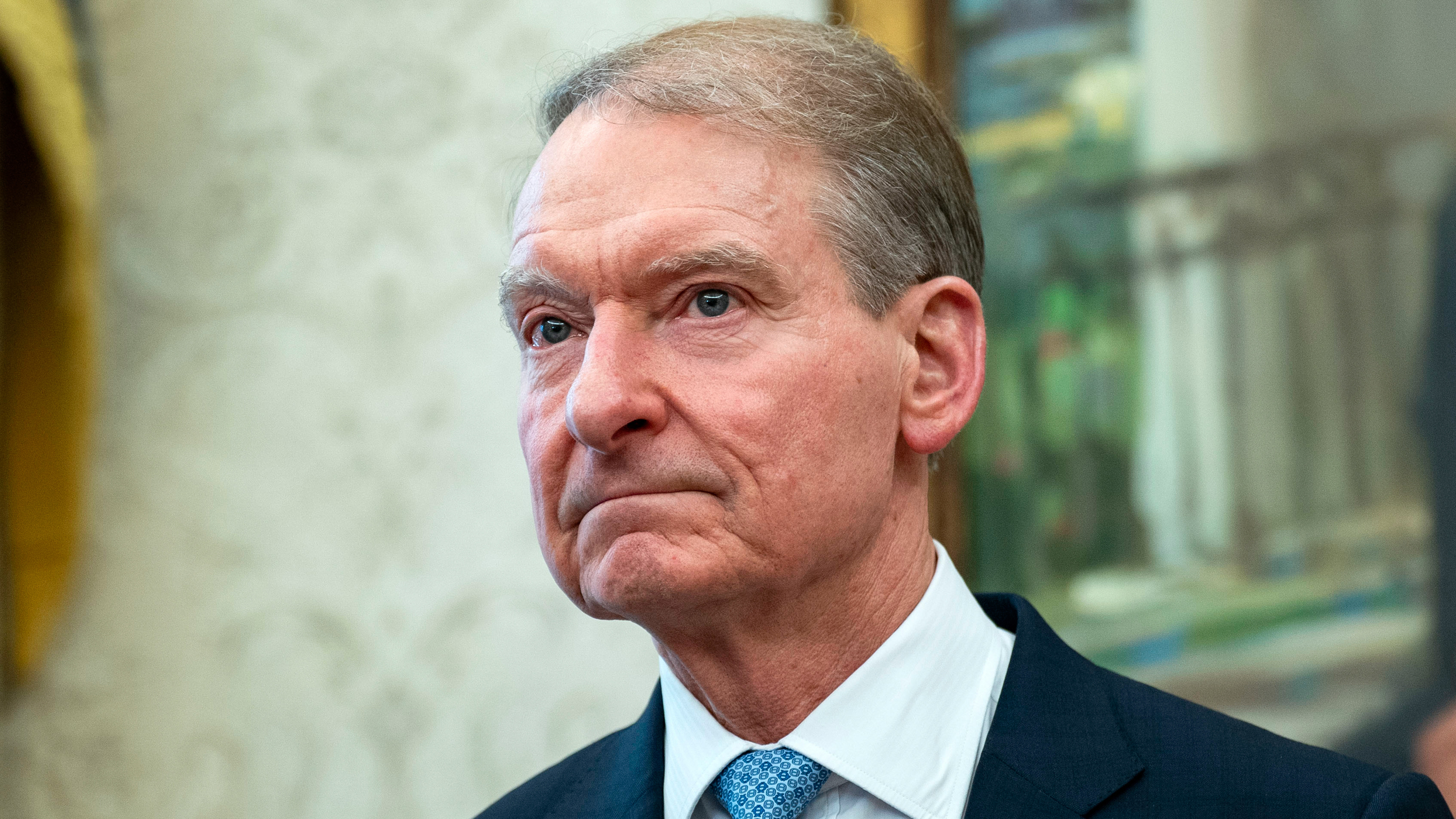
Senate braces for procedural showdown on CLARITY Act
With sixty votes required to break a legislative stalemate, the U.S. Senate is set to hold a critical procedural vote on the CLARITY Act on September 15. SEC Chairman Paul Atkins signaled optimism that the bill will clear this hurdle, eventually reaching the President’s desk to establish a formal federal crypto framework.
Michigan Court Imposes $500,000 Daily Fine on Kalshi Over Betting
A Michigan court has mandated that prediction market platform Kalshi maintain a strict block on sports event contracts for state residents, under a preliminary injunction threatening $500,000 in daily fines for noncompliance. The order, signed by Judge Rosemarie E. Aquilina, reinforces state efforts to curb unlicensed sports wagering.

Hyperscale Data Dumps Bitcoin Holdings to Fund AI Pivot
Hyperscale Data shut down all Bitcoin mining operations at its Michigan facility on September 1, marking a definitive pivot toward artificial intelligence infrastructure. The company liquidated the vast majority of its digital asset treasury to finance the conversion, sending its stock to a record closing low of $0.1984.

CFTC moves to dismiss CME lawsuit over crypto perpetual futures
The U.S. Commodity Futures Trading Commission has petitioned a federal court to dismiss a lawsuit filed by CME Group, which challenges the regulator’s decision to classify cryptocurrency perpetual contracts as futures. The agency argues that CME lacks the legal standing required to contest the approval of these products.

Multicoin Capital cofounder Kyle Samani joins Backpack US board
Backpack US appointed Multicoin Capital cofounder Kyle Samani to its board of directors on September 2, signaling an aggressive push into regulated American financial markets. The move aims to bridge the gap between traditional equity trading and blockchain-based infrastructure as the firm scales its global operations.

Kalshi Seeks Regulatory Green Light for WTI Oil Perpetual Futures
Kalshi is preparing to file for U.S. regulatory approval as early as next week for a perpetual futures contract linked to West Texas Intermediate crude oil. If authorized by the Commodity Futures Trading Commission, the product would mark the first time a regulated domestic exchange offers oil exposure without an expiration date.

Outdated Solana contract flaw leads to $1.1M stablecoin theft
An attacker exploited an outdated Rain smart contract on Aug. 28, draining $1.1 million from stablecoin card programs on the Solana blockchain. By manipulating signature verification instructions, the perpetrator bypassed authorization controls to seize collateral funds before laundering the assets through the Tornado Cash mixer.
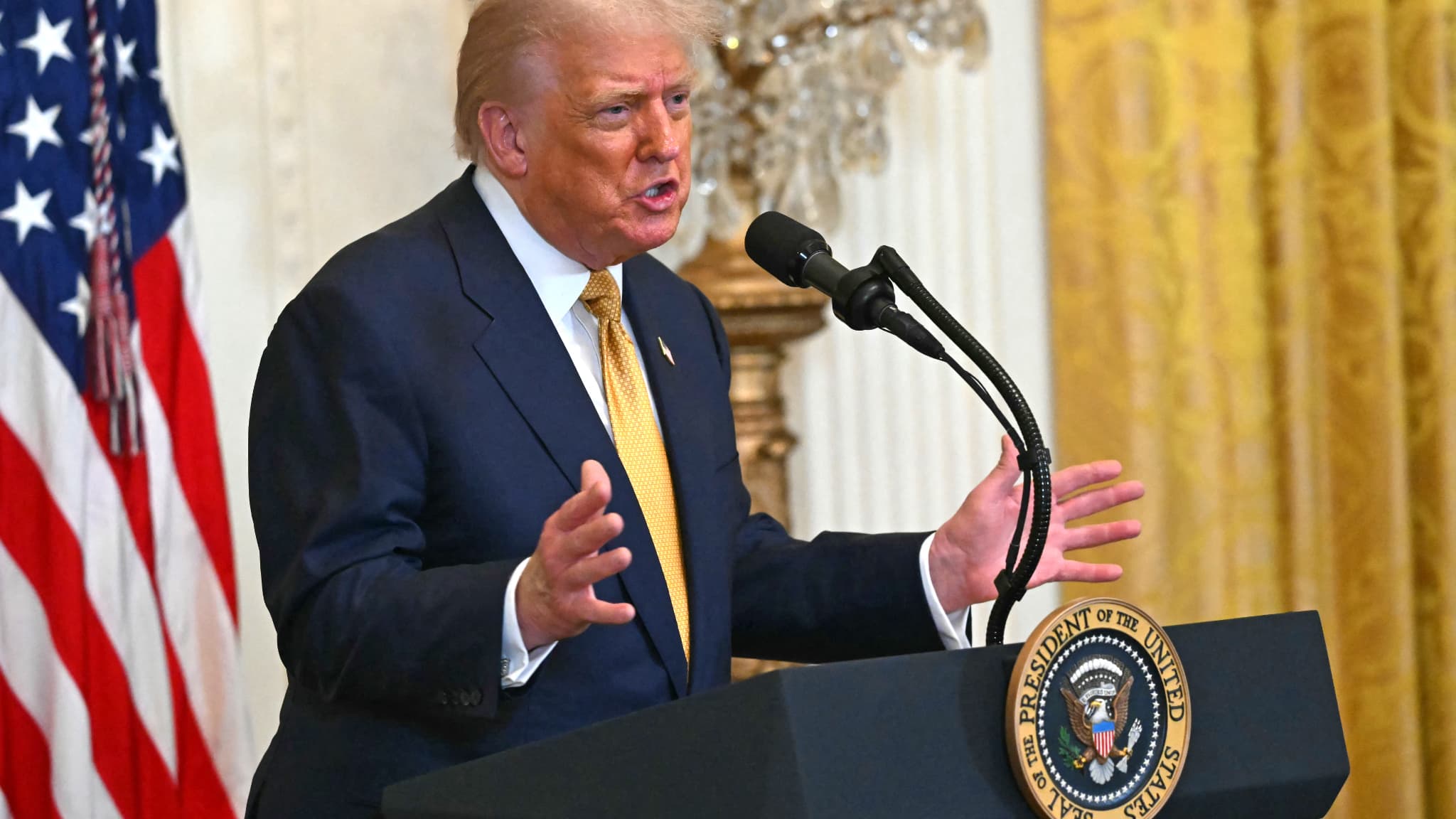
DHS Voter Fraud 'Blitz' Sparks Fears of Election Interference
Hundreds of Department of Homeland Security agents are currently scouring state voter rolls to identify noncitizens, a campaign critics warn is being used to manufacture evidence for political ends. With the midterm elections approaching, the initiative has drawn sharp condemnation from lawmakers and civil rights advocates alike.
One Year Into Maritime Bombing Campaign, Critics Decry Legal Vacuum
A year of U.S.-led boat strikes in the Caribbean and Pacific has left at least 227 people dead, prompting a fierce backlash from rights groups and lawmakers over the administration’s refusal to provide a legal justification for the ongoing, lethal operations.

Lawmakers Seek Audit of Federal Agencies Over Subpoena Secrecy
Representative Pramila Jayapal and Senator Ron Wyden have accused the Trump administration of institutionalizing the abuse of subpoena power. The lawmakers argue that federal agencies are routinely coercing private companies into illegal silence regarding customer data requests, effectively bypassing First Amendment rights to notify targets of government surveillance.

Federal Arrests of Don Lemon and Georgia Fort Spark Outcry
Federal agents arrested independent journalists Don Lemon and Georgia Fort on Friday, accusing them of a coordinated attack on a Saint Paul church. The detention followed their coverage of a protest against a local pastor allegedly serving as an ICE officer, prompting immediate condemnation from civil rights groups nationwide.
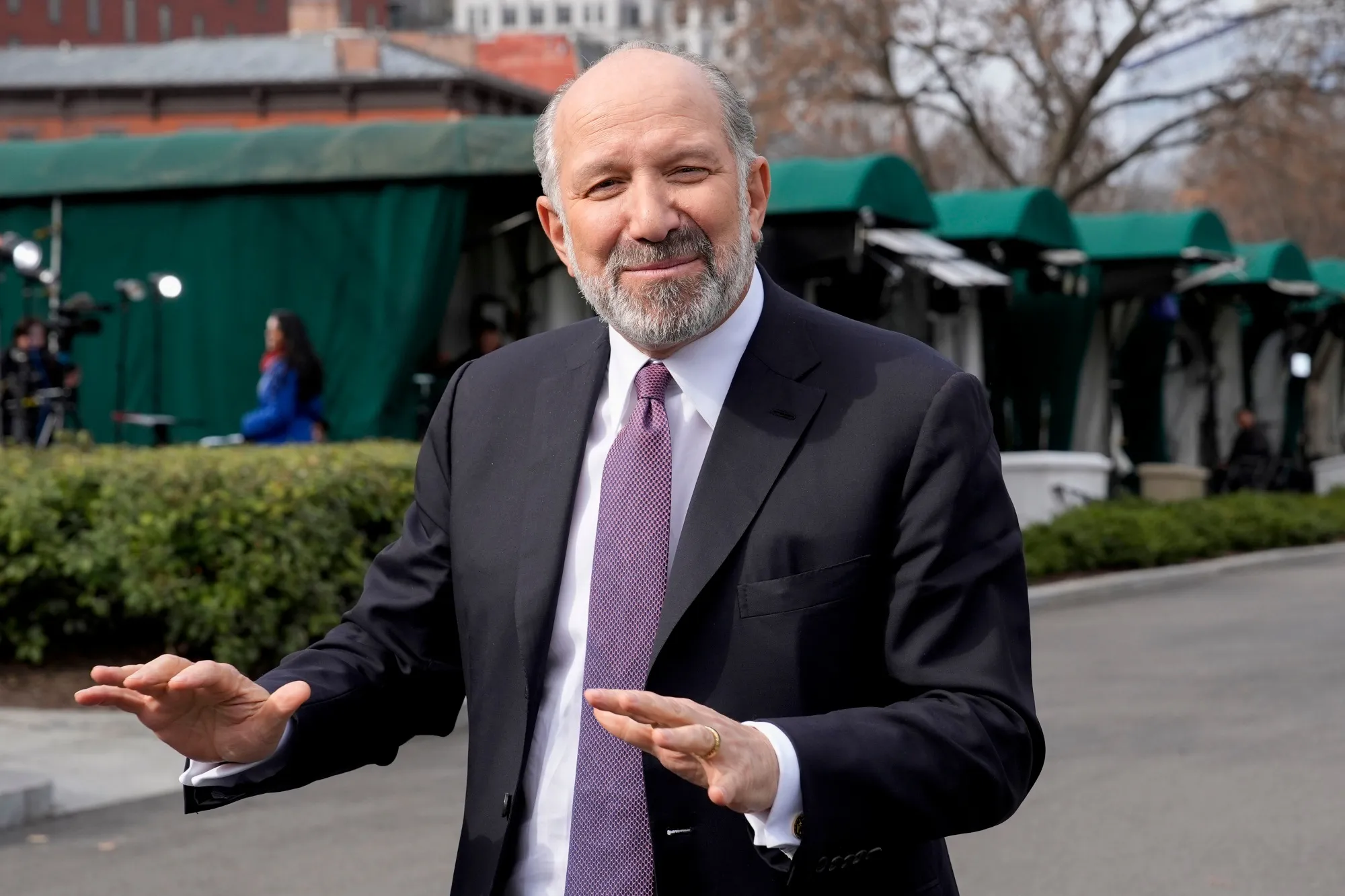
Commerce Secretary Lutnick Denies Water Use by Data Centers
Dismissing public alarm over the massive water consumption of AI infrastructure, Commerce Secretary Howard Lutnick claimed on CNBC this week that concerns about data centers are merely foreign propaganda. The statement stands in stark contrast to his own remarks from a year ago when he acknowledged the industry’s heavy water reliance.
Pressure Mounts for Congress to Sue Over Illegal Iran War
Jamal Abdi, executive director of the National Iranian American Council Action, declared this week that the United States is mired in a constitutional crisis. He is urging lawmakers to move beyond rhetoric and initiate legal action against President Donald Trump to halt unauthorized military operations in Iran.

Fairshake Enters Final Election Sprint With $122 Million War Chest
The crypto-backed super PAC Fairshake has secured 50 primary victories and holds $122 million in reserve for the final stretch of the 2026 U.S. election cycle. Despite massive spending, the group faces a complex landscape where financial influence has proven effective in some contests but failed to stop high-profile opponents.

Payward Pushes Kraken IPO to 2027 Amid Market Cooling
Market volatility and shifting investor appetite for digital asset stocks have forced Payward to delay its initial public offering. The parent company of the Kraken exchange now eyes the second quarter of 2027 for a potential debut, pushing back plans that were initially accelerated by a flurry of industry listings in 2025.
SEC Chair Atkins eyes Senate progress for CLARITY Act
SEC Chair Paul Atkins expects the long-stalled CLARITY Act to advance through the Senate within two weeks, as lawmakers prepare for a critical procedural vote on September 15. The legislation remains the primary hope for establishing a durable regulatory framework for digital assets in the United States.
New Jersey Escalates Legal Battle Over Kalshi Sports Betting
New Jersey has petitioned the U.S. Supreme Court to resolve a jurisdictional clash over whether federal derivatives law allows prediction markets to bypass state gambling regulations. The state argues that the Commodity Futures Trading Commission's oversight should not grant Kalshi immunity from local consumer protection and licensing laws for sports-based contracts.
Bitcoin ownership thrives where banking systems fail
El Salvador, Venezuela, and Nigeria lead global Bitcoin adoption, according to a 25-country study by Cornell University. While ownership rates in these regions are driven by economic instability and limited access to traditional financial services, the data reveals a stark disconnect between holding the asset and understanding its technical fundamentals.
Nansen Analyst Questions Strength of Bitcoin Recovery
Despite a 22% monthly recovery, Bitcoin’s path to a new bull market remains unconfirmed by underlying data. Nansen senior research analyst Nicolai Søndergaard warns that weak spot flows, persistent ETF withdrawals, and divided whale positions suggest the current rally lacks the structural support required for a lasting cycle turn.

Solana Governance Under Fire as CEO Questions Inflation and Fee Votes
Michael Hubbard, CEO of SOL Strategies, has challenged the legitimacy of recent Solana governance outcomes, arguing that a rushed inflation cut and inconsistent voting procedures have undermined the network's procedural integrity. He contends that the changes were implemented prematurely, disregarding the potential impact on validators and network participants.