All news

Bitcoin’s Quantum Migration Challenge
The debate over Bitcoin’s post-quantum security is shifting from theoretical cryptographic threats to the practical realities of infrastructure. Ledger CTO Charles Guillemet warns that replacing signature schemes is far less complex than the logistical burden of migrating existing wallets and managing dormant funds across a decentralized network.

Ethereum researchers test sub-second payload propagation
Ethereum researchers have demonstrated a method to slash execution payload propagation times from five seconds to under one second. By segmenting data into independently verifiable chunks, the proposed EIP-8411 aims to overcome the bottlenecks of the current store-and-forward gossip model, potentially easing pressure on network bandwidth.

Crypto wealth shrinks as market correction hits millionaire ranks
The global count of crypto millionaires has dropped to 135,694 as the digital asset market contracted to $2.6 trillion. Despite the cooling of extreme wealth, broader adoption continues to climb, with 742 million people now holding digital assets worldwide according to the Henley & Partners 2026 Crypto Wealth Report.

Moscow Exchange Expands Crypto Derivatives With Perpetual Futures
Starting September 22, the Moscow Exchange will introduce perpetual futures tied to Bitcoin, Ether, Solana, XRP, and Tron indexes. These cash-settled contracts, which automatically roll over daily, are designed to provide qualified investors with exposure to digital asset price movements without requiring physical delivery of the underlying tokens.

Hong Kong Accelerates Digital Asset Integration for 2026
Hong Kong is pushing to solidify its position as a digital finance hub, with the 2026 Policy Address outlining a roadmap to integrate regulated stablecoins, tokenized real-world assets, and 24-hour central bank digital currency settlement into the city's established financial infrastructure.

Vitalik Buterin Bets on Formal Verification to Counter AI Hacking
Ethereum co-founder Vitalik Buterin has dismissed the prevailing narrative that AI-driven cyberattacks will render digital security impossible. Arguing that defense holds a structural advantage, he contends that the integration of automated formal verification could eventually allow software to mathematically guarantee its own integrity against sophisticated threats.

WealthBriefing Names Winners of 2026 Marketing Innovation Awards
Creative strategy and brand development took center stage as WealthBriefing unveiled the victors of its inaugural 2026 Innovation in Marketing Awards. The program highlights firms and professionals who have successfully navigated the complexities of wealth management communication to foster deeper client engagement and measurable business growth in a competitive global sector.

Mirova Restructures Executive Leadership for Global Expansion
Paris-based sustainable investment manager Mirova has unveiled a revamped executive committee to anchor its drive toward becoming a global leader in sustainable finance. The leadership overhaul, effective following the firm's recent merger with Thematics Asset Management, marks a pivot toward scaling its integrated listed and private asset platforms.

Edwin Chan Joins Belasko to Lead Private Markets Growth
With over $29 billion in assets under administration, Belasko has tapped industry veteran Edwin Chan as its new chief growth officer. Operating from the firm’s London office, Chan is tasked with steering global sales strategies and accelerating client acquisition as the company deepens its footprint across the private markets ecosystem.

Quoniam Expands Equity Strategies and Aberdeen Funds Irish EV Charging
Quoniam Asset Management is broadening its systematic equity offerings with a new Global Active Extension strategy, while Aberdeen Investments has secured a €80 million debt financing deal to accelerate the expansion of EZO’s electric vehicle charging network across Ireland and the UK.

Column Debuts Integrated Platform for Stablecoin and Global Banking
Column has launched a suite of four financial infrastructure products designed to unify stablecoin, card issuing, and multicurrency banking. By integrating its own issuer processor directly into its banking stack, the company enables fintech firms to bypass fragmented vendor networks and execute cross-border transactions in seconds.

Upbit Delays JPYC Trading Launch by Three Hours
Upbit pushed back the debut of the yen-backed stablecoin JPYC on September 17, rescheduling the launch from 12:00 p.m. to 3:00 p.m. KST. The exchange provided no specific reason for the delay, which affects trading pairs against the South Korean won, Bitcoin, and Tether across its platform.

Anchorage Digital Adds Institutional Custody for Etherlink Assets
Institutional investors can now hold tokenized uranium and six other Etherlink-based assets within the secure, federally chartered environment of Anchorage Digital Bank. The move integrates these layer 2 tokens directly into existing custody workflows, bypassing the traditional settlement hurdles that have long complicated commodity-backed digital holdings.
House Committee Advances Strategic Bitcoin Reserve Legislation
The U.S. House Financial Services Committee voted 28-21 on September 16 to advance H.R. 8957, a bill aiming to codify a federal Strategic Bitcoin Reserve into law. The move signals a shift toward formalizing digital asset custody, moving away from executive orders toward a permanent, congressionally mandated framework.

South Korean retail investors lose $250 million to stock-tip fraud
South Korean retail investors suffered approximately $250 million in losses during the first half of 2026 as fraudulent stock-tip chatrooms exploited volatility in the KOSPI index. Police opened 3,506 investigations into schemes involving 336 billion won, marking a 19.8% increase in total financial damage compared to the previous year.
Crypto Venture Funding Rebounds to $5.68 Billion in Second Quarter
Venture investment into the crypto and blockchain sector surged 31% during the second quarter of 2026, reaching $5.68 billion across 384 separate deals. While transaction volume grew by a modest 10%, the significant uptick in total capital reflects a market shift toward larger, later-stage financing rounds.

South Korean Police Target 26 Polymarket Users in Betting Crackdown
South Korean authorities have officially booked 26 users of the prediction market platform Polymarket, alleging illegal gambling activities totaling 17.6 billion won, or approximately $12.7 million. With 18 of these cases already referred to prosecutors, the investigation marks a significant escalation in the country’s regulatory stance on decentralized prediction platforms.

Trump Administration Memo Seeks to Decriminalize Accidental Wildlife Killing
The Trump administration is moving to strip core protections from the Endangered Species Act by narrowing the definition of illegal harm to only intentional acts. An internal Fish and Wildlife Service memo suggests that accidental killing of protected animals during economic activity would no longer be considered a violation of federal law.

Fed Rate Hike Signals Deepening Economic Strain Under Trump
The Federal Reserve raised its benchmark interest rate on Wednesday to a range of 3.75-4%, marking the first hike since 2023. The unanimous decision by the Federal Open Market Committee ignores months of intense public pressure from President Donald Trump, who continues to demand aggressive cuts despite persistent inflation.

Preventable Death: Georgia Woman Dies Following Abortion Care Delay
Amber Nicole Thurman, a 28-year-old mother, died in 2022 after Georgia’s strict six-week abortion ban delayed life-saving medical care. A state maternal mortality review board concluded that the twenty-hour wait for treatment at Piedmont Henry Hospital was a decisive factor in her death, marking a grim milestone in the post-Roe landscape.

Medical Experts Link Another Texas Death to Abortion Ban Stigma
Porsha Ngumezi entered Houston Methodist Sugar Land with severe bleeding from an 11-week miscarriage, yet doctors withheld a standard surgical procedure. Medical experts now identify the 35-year-old mother’s 2023 death as the latest fatality stemming from the chilling effect of Texas’ strict abortion laws on emergency obstetric care.
Texas Teen’s Death Highlights Fatal Gaps in Post-Roe Medical Care
Nevaeh Crain would have turned 20 this Friday. Instead, the Texas teenager is the latest woman to die following a preventable medical crisis, as state restrictions and the fear of legal repercussions delayed the emergency care needed to save her life during a severe sepsis complication.

Preventable Loss: Texas Abortion Ban Linked to Another Maternal Death
Tierra Walker, a 37-year-old mother, died last December after Texas doctors repeatedly denied her requests for an abortion despite her deteriorating health. Her death has reignited demands from Democratic lawmakers for federal protections, highlighting how restrictive state laws continue to paralyze standard medical care for pregnant women.
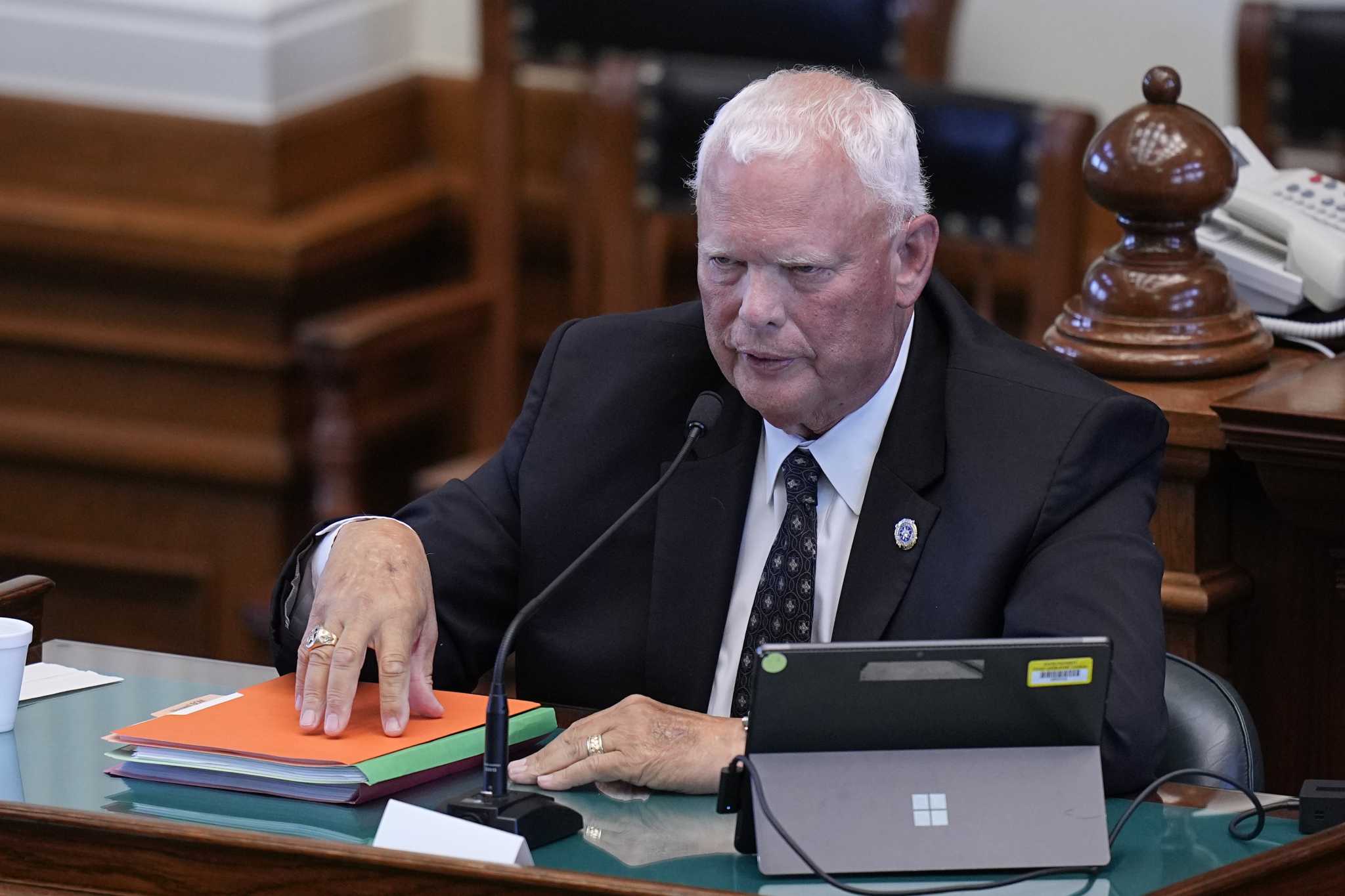
Family Sues Texas Officials Over Preventable Death After Abortion Denial
On his 15th birthday, a teenager walked into his mother’s bedroom to find her lifeless. That discovery has now triggered a landmark wrongful death lawsuit against Texas Attorney General Ken Paxton and state medical authorities, marking a significant legal challenge to the state's rigid, near-total ban on abortion care.

Israel Confirms Gaza Land Grab as Displacement Intensifies
Defense Minister Israel Katz confirmed Wednesday that Israeli forces are seizing large swaths of the Gaza Strip to establish permanent security zones, a strategy that aligns with long-standing ministerial plans for the recolonization of the territory while displacing tens of thousands more civilians.

Israeli Officials Rally to Call for Gaza Resettlement
Hundreds of Israelis, including senior government ministers, gathered near the Gaza border this Sunday for a two-day rally centered on a singular, aggressive objective: the ethnic cleansing of Palestinians from the coastal enclave to facilitate the return of Jewish settlers to the territory.

Israel Approves Bureau to Facilitate Gaza Displacement
Israel’s Security Cabinet authorized a new Defense Ministry directorate this Sunday tasked with orchestrating the removal of Palestinians from the Gaza Strip. Defense Minister Israel Katz framed the agency as a bureau for "voluntary emigration," though the move drew immediate condemnation from international observers and human rights advocates.
Palestinians Reject Trump Plan for Gaza Takeover
U.S. President Donald Trump has proposed a full-scale American takeover of the Gaza Strip, suggesting the territory be cleared of its Palestinian population to make way for new development. The proposal, framed as building a 'Riviera of the Middle East,' has been met with immediate condemnation and defiance from Palestinians.
Israeli Defense Minister Vows to Complete Gaza Depopulation Plan
Amid a nominal ceasefire, Israeli Defense Minister Israel Katz pledged on Wednesday to "finish the job" of depopulating the Gaza Strip. The statement, framed as a precursor to a migration plan, drew immediate condemnation from human rights advocates who characterize the objective as an act of systemic ethnic cleansing.
Israeli Defense Minister Retreats After Vowing to Resettle Gaza
Israeli Defense Minister Israel Katz triggered a swift diplomatic backlash Tuesday by declaring that the military would never leave the Gaza Strip and aimed to reestablish Jewish settlements there, only to issue a formal clarification hours later claiming his remarks were intended solely within a security context.