All news

Maryland Challenges $1.6 Billion Power Bill Tied to Out-of-State Data Centers
Maryland’s Office of People’s Counsel has filed a formal complaint with federal regulators to block a plan that would shift $1.6 billion in transmission costs onto state residents. The dispute centers on grid operator PJM Interconnection, which officials argue is unfairly forcing local consumers to subsidize massive AI data center infrastructure.

New Jersey Residents Block AI Data Center in Favor of Public Park
Hundreds of New Brunswick residents packed City Hall on Wednesday to successfully demand the cancellation of a 27,000-square-foot artificial intelligence data center. The council opted to pivot the site at 100 Jersey Avenue toward a public park, siding with locals who feared soaring utility costs and environmental strain.
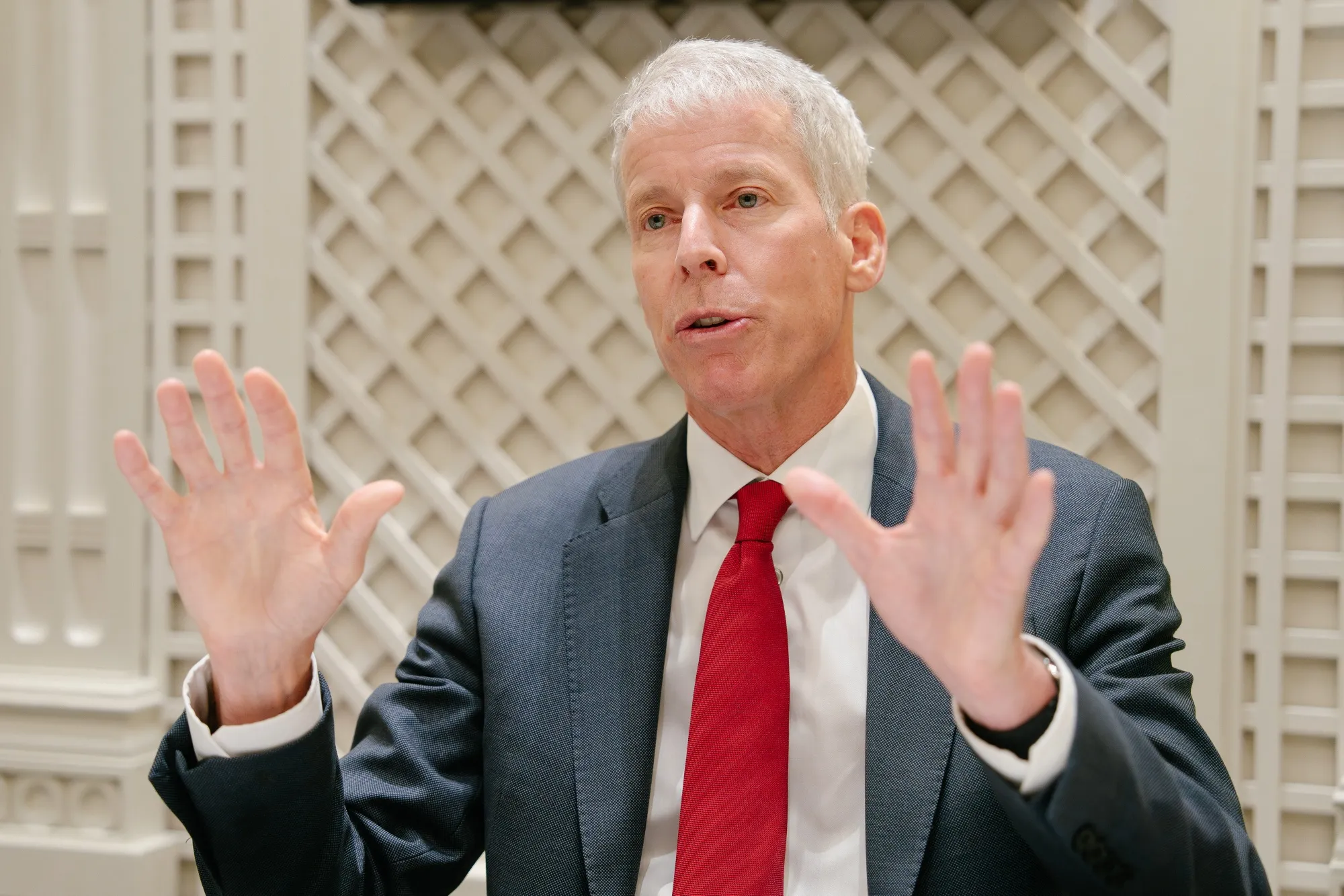
Energy Secretary Claims Data Centers Lower Prices Despite Contrary Data
Energy Secretary Chris Wright on Wednesday labeled data centers the premier tool for curbing rising electricity costs, directly contradicting a recent New York moratorium intended to manage the massive power demand created by such facilities. His remarks come as grid operators warn that data centers are driving sharp utility hikes.
Port Washington Voters Secure Veto Power Over AI Data Centers
Voters in Port Washington, Wisconsin, have approved a landmark referendum requiring local officials to seek public authorization before approving new AI data center projects or tax incentives. The measure passed by a 2-to-1 margin, marking a significant escalation in the grassroots pushback against the industry’s physical expansion.

Binance Launches $800,000 XRP Incentive to Revive RLUSD Usage
Binance is deploying an $800,000 XRP rewards pool to incentivize the adoption of Ripple’s dollar-backed stablecoin, RLUSD. Through August 14, the exchange will distribute weekly payouts to users who meet specific trading volume and balance criteria, attempting to bolster the token’s market presence after recent capitalization declines.

Trump Overrules DHS, Demands Immediate Resumption of ICE Traffic Stops
President Donald Trump on Wednesday commanded U.S. Immigration and Customs Enforcement to resume traffic stops, effectively reversing a pause the agency announced only one day prior following the fatal shootings of two individuals by officers in Texas and Maine.

EU Crypto Migration Triggers Compliance Alarm
As the EU’s MiCA regulatory transition concludes, a massive migration of users from exiting firms to licensed providers is testing the bloc’s anti-money laundering defenses. Bruna Szego, chair of the Authority for Anti-Money Laundering and Countering the Financing of Terrorism (AMLA), warned that this sudden volume creates critical vulnerabilities.

Circle Wins Arbitration Over Heka Funds' Suspended USDC Account
A Boston federal court has upheld an arbitrator’s ruling in favor of Circle, confirming the stablecoin issuer acted within its contractual rights when it severed ties with Heka Funds. The dispute centered on undisclosed links between the arbitrage fund and Tether, which Circle executives suspected of driving market manipulation.
Advocacy Groups Sue Trump Admin Over Anti-ICC Sanctions
Two civil rights organizations filed a federal lawsuit in Manhattan on Wednesday challenging the legality of executive sanctions targeting the International Criminal Court. The plaintiffs argue that the administration’s restrictive measures function as a constitutional overreach, designed to stifle advocacy and silence public opposition to U.S. and Israeli policies.

Revolut Gains Ground in Dubai with VARA Crypto Approval
Dubai’s Virtual Assets Regulatory Authority has granted in-principle approval to Revolut, clearing the path for the fintech giant to offer a suite of regulated digital asset services in the United Arab Emirates. This milestone marks a significant step in the company’s push to build a local, compliant financial ecosystem.

BNB Chain Retires $932 Million in Tokens in 36th Quarterly Burn
The BNB Chain network has permanently removed 1,615,827 tokens from circulation, marking its 36th quarterly burn event. Executed on July 15, the transaction reduced the total supply to 133.17 million BNB, bringing the ecosystem closer to its long-term objective of capping the token count at 100 million.

BitMine pivots to Ethereum as staking revenue surges 22-fold
BitMine Immersion Technologies has transformed its revenue structure, pulling $45.7 million from Ethereum staking and validation in the three months ending May 31. This figure accounts for 98% of the company's quarterly total, marking a sharp departure from its former reliance on Bitcoin mining and machine leasing.

Ben McKenzie lobbies Senate to block CLARITY Act
Actor Ben McKenzie traded the screen for the Senate floor this week, joining a coalition of Democratic lawmakers to pressure Congress against the Digital Asset Market Clarity Act. The legislation, which seeks to formalize federal oversight of digital assets, faces a critical hurdle as the Senate approaches its August recess.

David Schwartz invokes First Amendment to defend XRP sports branding
The University of Kansas’ decision to feature XRP logos on team uniforms has triggered a heated debate over the ethics of digital asset marketing in college sports. Ripple CTO Emeritus David Schwartz has bypassed the investment discourse, instead grounding his defense in the constitutional protection of truthful commercial speech.
Japan Reclassifies Crypto Assets as Financial Products
Japan’s House of Councillors has passed sweeping amendments to the Financial Instruments and Exchange Act, officially elevating cryptocurrencies from payment methods to regulated financial products. This legislative shift aligns digital assets with stocks and bonds, clearing a path for lower tax rates, domestic spot ETFs, and rigorous market oversight.

Trump Administration Proposes Transferring Grizzly Bear Oversight to States
Conservationists are sounding the alarm over a new Interior Department proposal that would shift management of threatened grizzly bears from federal oversight to state control. The plan, announced by Secretary Doug Burgum, faces intense backlash from environmental groups who argue it prioritizes political agendas over the survival of the species.

UK to Launch First G7 Digital Sovereign Bond via HSBC Orion
The United Kingdom is set to become the first G7 nation to issue government debt in tokenized form, targeting an early 2027 rollout for its inaugural digital sovereign bond. Chancellor Rachel Reeves announced the initiative, dubbed the Digital Gilt Instrument, which will utilize HSBC’s Orion blockchain platform for issuance.

Coinbase’s pivot: Betting the house on prediction markets
Coinbase has turned a regulatory and commercial gamble into its fastest-growing product ever, hitting $100 million in annualized revenue in under two months. By pivoting from a pure-play crypto exchange to an "Everything Exchange," the firm is betting that its massive base of funded accounts outweighs the legal risks of event betting.

South Korea Overhauls 1950 State Asset Laws to Include Crypto
South Korea is dismantling a 74-year-old legislative framework to incorporate virtual assets and intellectual property into its national balance sheet. The Ministry of Economy and Finance announced the National Asset Basic Act, shifting the government’s focus from mere land ownership toward active, value-driven management of modern digital holdings.

Nokia bets its radio future on NVIDIA silicon
Nokia has unveiled an AI-RAN platform built on NVIDIA’s Aerial system, aiming to double network capacity by 2028. While the company markets the technology as an industry first, the launch highlights a high-stakes pivot away from proprietary hardware toward a software-driven strategy tied directly to NVIDIA’s ecosystem.

Czech Republic orders ISP block on Polymarket
Czech authorities have granted internet service providers a 15-day window to restrict access to Polymarket, officially classifying the platform as an unlicensed gambling operation. The Ministry of Finance maintains that branding bets as investment contracts does not exempt the service from national gambling regulations and standard oversight requirements.

CFTC and Michigan Clash Over Kalshi Prediction Market Jurisdiction
Caught in a jurisdictional tug-of-war, prediction market platform Kalshi faces contradictory demands after the CFTC ordered the firm to ignore a Michigan court ruling. The federal regulator is now demanding the company resume operations in the state, despite Kalshi having already unwound trades to comply with local legal threats.

Hyperliquid lists CXMT pre-IPO perpetual at 526% premium
Traders on the Hyperliquid platform are pricing Chinese chipmaker ChangXin Memory Technologies at a staggering 526% premium ahead of its Shanghai debut. While the company prepares for an $8.55 billion IPO on the STAR Market, synthetic perpetual contracts are already trading near $8, signaling intense speculative interest in the domestic semiconductor giant.
Former Ethereum Foundation team launches EthSystems for institutional use
A team of former Ethereum Foundation developers has launched EthSystems, a for-profit venture designed to bridge the gap between public blockchain technology and the stringent privacy requirements of global financial institutions, following a broader restructuring trend within the Ethereum ecosystem.

Ripple Trims RLUSD Supply by 20% Amid Active Treasury Management
Ripple has permanently removed another 10 million RLUSD tokens from circulation, extending a series of treasury burns that have reduced the stablecoin's total supply by roughly 20% since its late-May peak. Despite the contraction, the company is doubling down on integrating the asset into emerging machine-to-machine payment infrastructure.
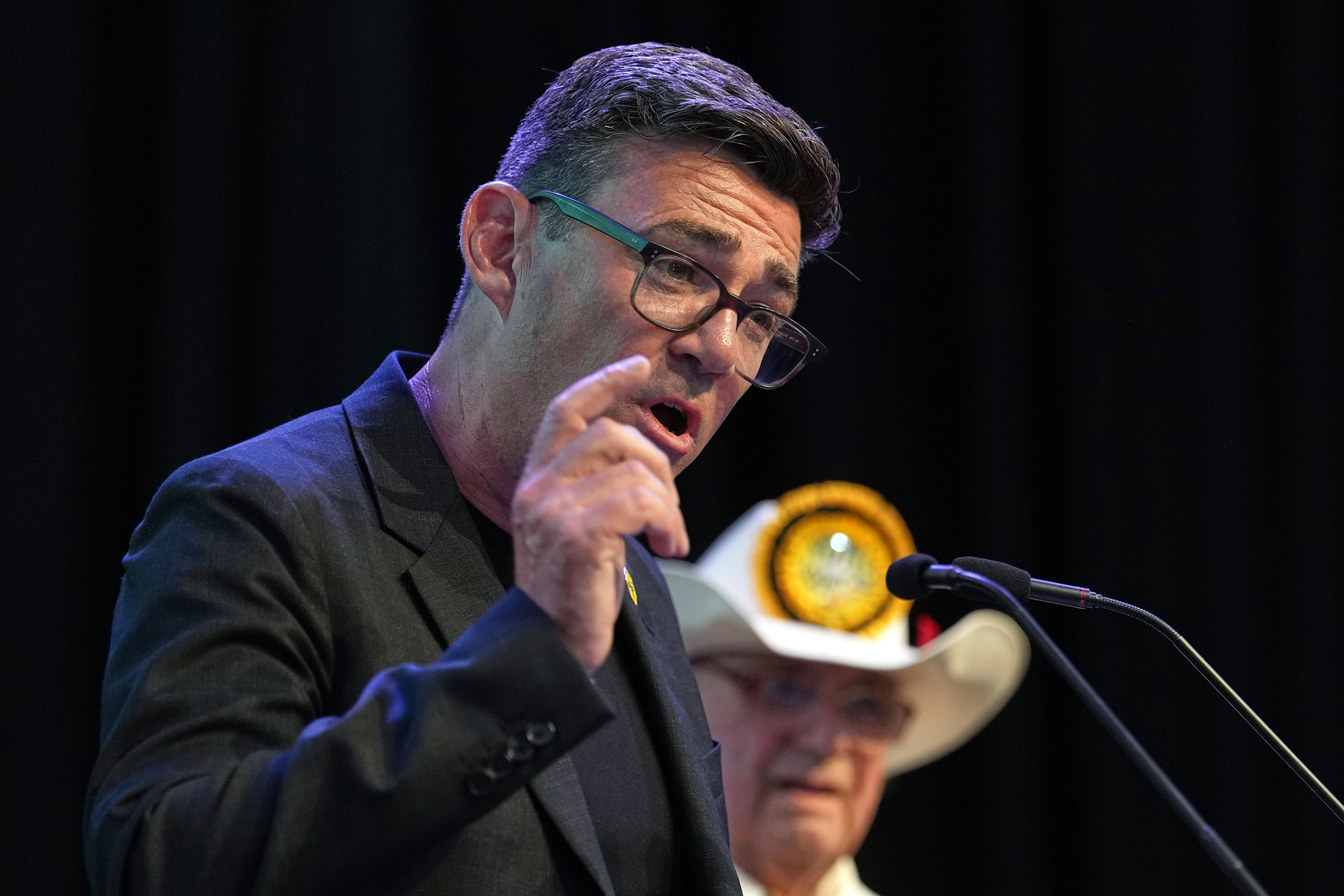
UK Investors Brace for Tax Hikes Under Incoming PM Burnham
With Andy Burnham set to assume the premiership on July 20 following Keir Starmer’s resignation, a staggering 96.1 percent of UK investors anticipate tax increases within the next year. Wealth Club research suggests this fiscal anxiety has now eclipsed traditional market concerns like inflation and volatility as the primary threat to wealth.

UK Investors Boost Portfolio Contributions Despite Market Jitters
Average portfolio contributions by UK retail investors climbed 47 percent during the second quarter of 2026, reaching £3,554. Despite rising geopolitical tensions and persistent inflation, data from Scottish Widows suggests a resilient cohort of investors focused on long-term wealth rather than short-term market volatility.

Vistra Launches Latin American Unit Amid Regional Wealth Growth
Business services provider Vistra has established a dedicated Latin American division, integrating its global infrastructure with the local expertise of Biz Latin Hub. Led by Raimundo Diaz from Miami, the unit aims to capture rising demand from corporations and family offices navigating the region's complex, high-reward regulatory landscape.

BIL Suisse Extends Decade-Long Tech Pact with Avaloq
After ten years of collaboration, Banque Internationale à Luxembourg (Suisse) SA has renewed its core banking agreement with Avaloq. The Swiss-based bank will continue utilizing Avaloq’s software-as-a-service platform to manage its infrastructure and regulatory requirements, signaling a deepening commitment to the firm’s digital banking architecture.
FCA Proposes FRAME Reforms to Cut Asset Management Red Tape
The UK’s Financial Conduct Authority has unveiled a reform package targeting the asset management sector, aiming to slash annual industry costs by £128 million. The plan focuses on streamlining reporting requirements and modernizing decade-old rules to improve regulatory oversight while easing the administrative burden on smaller firms.