All news

Houthis Impose Red Sea Embargo on Saudi Arabia
Conflict has reached a critical juncture in the Red Sea as Houthi rebels in Yemen announced an immediate maritime embargo against Saudi Arabia. The move, framed as retaliation for the recent bombing of Sanaa Airport, threatens to further paralyze global oil transit at a time of extreme market fragility.

Pentagon Conceals Military Casualties Amidst Escalating Iran Conflict
The Pentagon repeatedly suppressed reports of dozens of U.S. service members injured during recent Iranian strikes in Jordan, continuing a pattern of data obfuscation. These undisclosed attacks occurred in the days preceding a fatal assault on Friday that left two soldiers dead and one missing, further clouding the true scope of the conflict.

The GENIUS Act’s First Anniversary Is a Broken Promise
The GENIUS Act, signed into law on July 18, 2025, promised a clear regulatory future for the $300 billion stablecoin industry. Yet, as the one-year deadline for federal agencies to finalize rules passed this Saturday, not a single regulation was complete, leaving issuers to navigate a landscape of uncertainty.
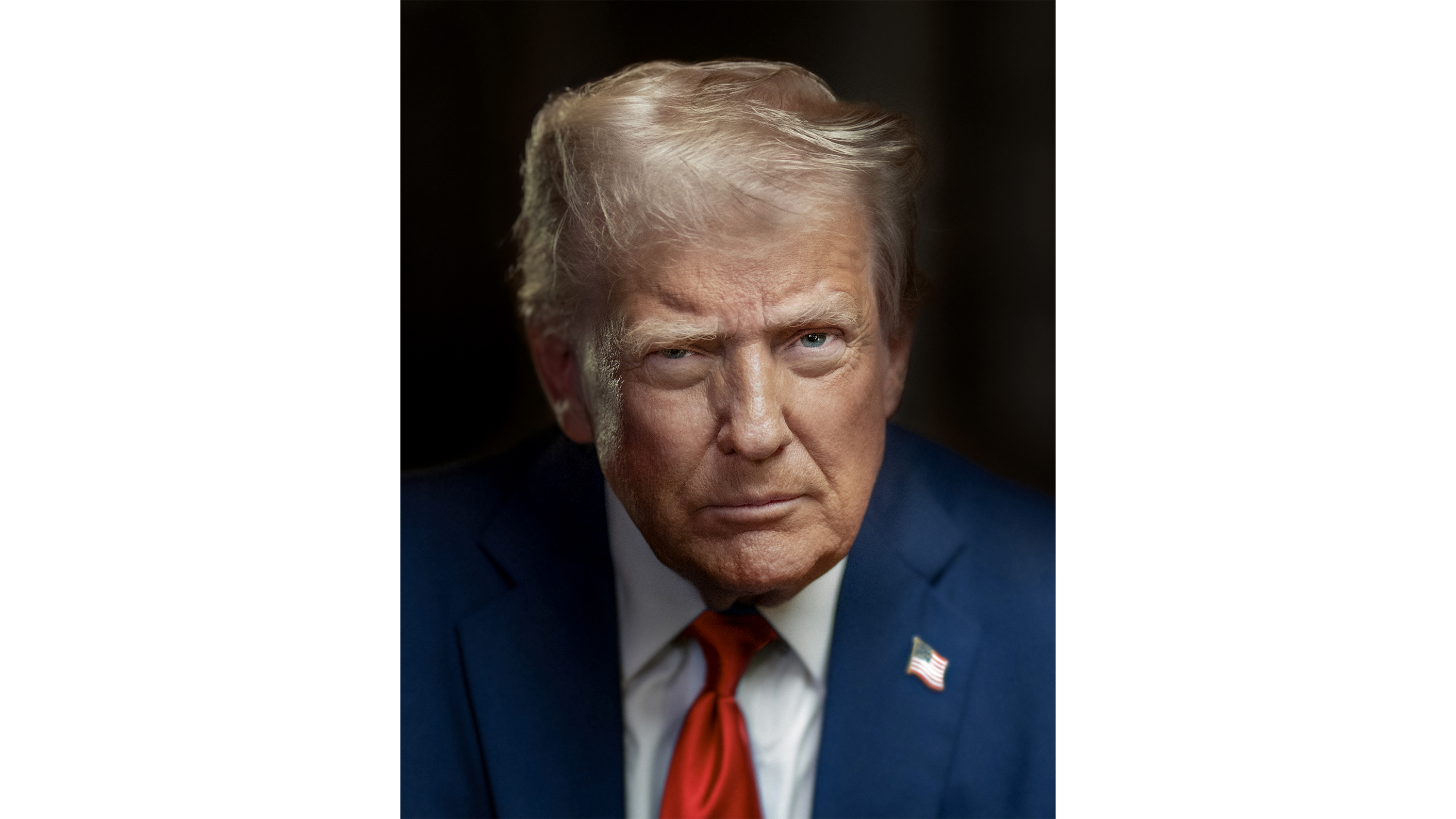
Justice Department Shifts Toward Leniency for Corporate Wrongdoing
Under President Donald Trump, the Justice Department has pivoted away from aggressive corporate prosecution, opting instead for deferred agreements and dropped charges. This systemic retreat leaves a trail of abandoned cases involving major firms, raising alarms among consumer advocates regarding the erosion of corporate accountability and oversight.

Andrew Cuomo joins OKX board to steer U.S. institutional push
Former New York Governor Andrew M. Cuomo has joined the board of directors at cryptocurrency exchange OKX, formalizing a relationship that began with his advisory work in 2023. The appointment underscores the company’s strategic effort to bridge traditional financial infrastructure with the digital asset ecosystem.

Strategy Beefs Up Cash Reserves via $263.5M Stock Sale
Strategy bolstered its dollar reserves by $263.5 million this week, selling 2,732,318 shares of its common stock while leaving its massive Bitcoin hoard untouched. The move marks a second consecutive week of equity-driven fundraising as the company prioritizes liquidity for dividend and debt obligations.

BitMine Nears 5% Ethereum Supply Goal After Latest Treasury Buy
BitMine Immersion Technologies has added 7,430 ETH to its corporate coffers, bringing its total holdings to 5,777,468 tokens. The firm now controls approximately 4.8% of Ethereum’s total supply, moving within striking distance of its stated goal to secure 5% of all circulating tokens through its aggressive treasury strategy.

The accidental rescue: How crypto caught a bank bailout
When Silicon Valley Bank collapsed in March 2023, the US government triggered an obscure legal override to prevent a broader financial contagion. The move unintentionally saved the stablecoin USDC, which had $3.3 billion trapped in the failing institution, sparking a false belief that the state acts as crypto’s lender of last resort.
Zilliqa halts ZIL transfers following exchange cold wallet breach
A suspected cold wallet compromise at an unnamed exchange partner has triggered a network-wide suspension of ZIL deposits and withdrawals. Zilliqa developers confirmed the theft of tokens from the partner's storage, forcing trading platforms to restrict asset movement while investigators attempt to determine the scope of the breach.
Vietnam Imposes Fines on Unlicensed Crypto Trading
Investors in Vietnam face penalties of up to $1,900 for trading on unauthorized cryptocurrency platforms as the government enforces strict new regulations. Decree No. 284/2026/NĐ-CP, effective September 1, signals a shift toward a controlled domestic market, aiming to curb offshore activity and bolster local oversight of digital assets.

Crypto Institutions Pivot From Audits to Live Security Monitoring
Institutional investors are abandoning the traditional reliance on point-in-time smart contract audits, shifting their focus toward continuous monitoring and infrastructure resilience. This change follows data showing that compromised keys and signer infrastructure—not code flaws—accounted for 88.3% of the $764 million lost to exploits during the second quarter of 2026.
Capital B Sets September Date for 10-for-1 Reverse Stock Split
Capital B will consolidate its stock at a 10-for-1 ratio beginning September 8, a move the French company says is designed to attract a wider pool of institutional investors. The shift reduces total outstanding shares from over 300 million to approximately 30 million, while keeping the aggregate value of holdings intact.

State Duma readies final vote on sweeping Russian crypto legislation
With a pivotal vote scheduled for Tuesday, July 21, the Russian State Duma is poised to push its primary cryptocurrency bill through its second and third readings. The legislation, titled “On Digital Currency and Digital Rights,” aims to codify a regulatory framework for digital assets while maintaining strict domestic payment bans.

ADI Chain and Tangem Launch Hardware Wallet in UAE Virgin Megastores
Shoppers at Virgin Megastores across the UAE can now purchase a co-branded Tangem hardware wallet, marking a shift toward bringing offline cryptocurrency self-custody into mainstream retail environments. The partnership allows users to manage Bitcoin, Ethereum, and ADI Chain ecosystem tokens through a contactless card designed for secure, physical transaction authorization.

Grayscale to Launch Quarterly Cash Payouts for ETH and SOL ETFs
Investors in Grayscale’s Ethereum and Solana exchange-traded funds will soon see regular cash distributions derived from staking rewards. Under proposed trust amendments filed on July 17, the asset manager intends to convert earned rewards into cash and pay shareholders at least once per quarter, starting around August 7, 2026.

US Public Health Agencies to Pilot Generative AI Tools
Ten state, local, and tribal health jurisdictions will begin testing generative AI tools next autumn under a new initiative called PULSE. The program, supported by the Coalition for Health AI alongside OpenAI and Anthropic, aims to establish implementation standards for public health agencies seeking to integrate artificial intelligence into their operations.
Trump Administration Weighs Ground Invasion as Iran Conflict Widens
As U.S. airstrikes pummel Iran for the ninth consecutive night, reports suggest the White House is actively planning for a broader military campaign. Despite earlier assurances that the conflict was nearing its end, internal discussions now center on potential ground operations and the targeting of critical infrastructure.

KBI Global Investors Debuts Two Sustainable Strategies
Dublin-based KBI Global Investors has launched two new sustainable strategies for European and UK markets, signaling a commitment to responsible investing despite cooling industry sentiment. The firm introduced a Global Core Sustainable Strategy and a Global Health & Wellbeing Strategy, aiming to capitalize on long-term demographic and social trends.
Moonshot AI’s K3: A Massive Gamble on Memory Over Compute
With 2.8 trillion parameters, Moonshot AI’s K3 stands as the largest open-weight model ever released, yet its true innovation lies in a calculated trade-off. By prioritizing memory efficiency over raw processing power, the Beijing-based firm is attempting a structural workaround to the tightening US-led restrictions on high-end chip exports.
Tether faces critical compliance deadline for USDT under GENIUS Act
One year after the GENIUS Act became law, Tether remains the largest stablecoin issuer without a clear path to regulatory compliance in the United States. While the legislation provides a transition period until 2028, experts warn that foreign issuers face immediate obligations that could jeopardize USDT's future on American exchanges.

South Korea Eyes Legal Framework to Seize Private Crypto Wallets
South Korean tax authorities are pushing for a legislative overhaul of the Criminal Procedure Act to bypass the limitations of current seizure laws. The proposal seeks to grant investigators the power to forcibly transfer digital assets from self-custodied wallets, citing the risk of suspects moving funds during active investigations.

Circle President Heath Tarbert offloads $30.8M in company stock
Since June 2025, Circle President Heath Tarbert has liquidated approximately $30.8 million in CRCL shares across 10 separate transactions. While these sales coincide with a significant decline in the company’s market valuation, Tarbert retains a stake of over 500,000 shares, signaling his continued involvement with the firm.

South Korea Charts Path for Won-Backed Stablecoins and Forex Reform
South Korea is shifting its financial landscape by integrating won-backed stablecoins into the mainstream economy while dismantling long-standing barriers to international currency exchange. A new roadmap from the Financial Services Commission and Bank of Korea seeks to modernize cross-border capital flows and establish a unified digital asset infrastructure.

Standard Chartered-backed Anchorpoint nears HKDAP stablecoin launch
A coalition led by Standard Chartered and Anchorpoint is preparing to release the HKDAP stablecoin before the end of July. Following regulatory approval from the Hong Kong Monetary Authority in April, the project is moving from technical trials to public issuance to compete in the growing digital asset market.

Hyperliquid Shifts to Permissionless Prediction Markets
Hyperliquid is moving to decentralize its outcome markets by allowing permissionless deployments, a shift designed to handle a scale of tradeable events that current validator-managed systems cannot accommodate. The protocol plans to test this framework on its testnet before moving to a broader mainnet release in the coming months.

Ultra-Wealthy Lag on Estate Planning Despite Looming Transfer Wave
While trillions in assets prepare to shift between generations, a BNY Wealth survey reveals that over half of ultra-high-net-worth individuals have incomplete transfer plans. Despite the looming scale of this intergenerational move, many families remain disconnected from their own strategies, leaving significant gaps in their long-term financial readiness.

Ardian Shareholders Boost Stakes as AXA Exits Capital
Two key investors in Paris-based private investment firm Ardian are set to acquire the 10 per cent stake currently held by AXA, signaling a shift in the company's ownership structure. By exercising pre-emption rights, Assurances du Crédit Mutuel and Wafra will deepen their commitment to the $200 billion firm.

KBI Global Investors Launches Dual Sustainable Strategies
Dublin-based asset manager KBI Global Investors is expanding its footprint in the ESG market with two new strategies available to EU and UK clients. The launch includes a Global Core Sustainable Strategy and a Global Health & Wellbeing fund, signaling a firm commitment to responsible investing despite recent industry volatility.

AZ-COM Maruwa Pivots to Stablecoins for Contractor Settlements
Japan’s logistics landscape faces a shift as AZ-COM Maruwa Holdings prepares to utilize the JPYC stablecoin to settle invoices for 2,300 business partners. By bypassing traditional banking channels for transportation fees and contractor compensation, the firm aims to eliminate transfer costs while increasing the velocity of its routine payments.

South Korea cracks down on crypto manipulation under new oversight law
South Korean financial authorities have identified more than 40 instances of illicit crypto trading since the Virtual Asset User Protection Act took effect two years ago. With 25 suspects already named and over 30 cases referred to investigators, the Financial Services Commission is now shifting toward AI-driven surveillance to police the sector.