All news
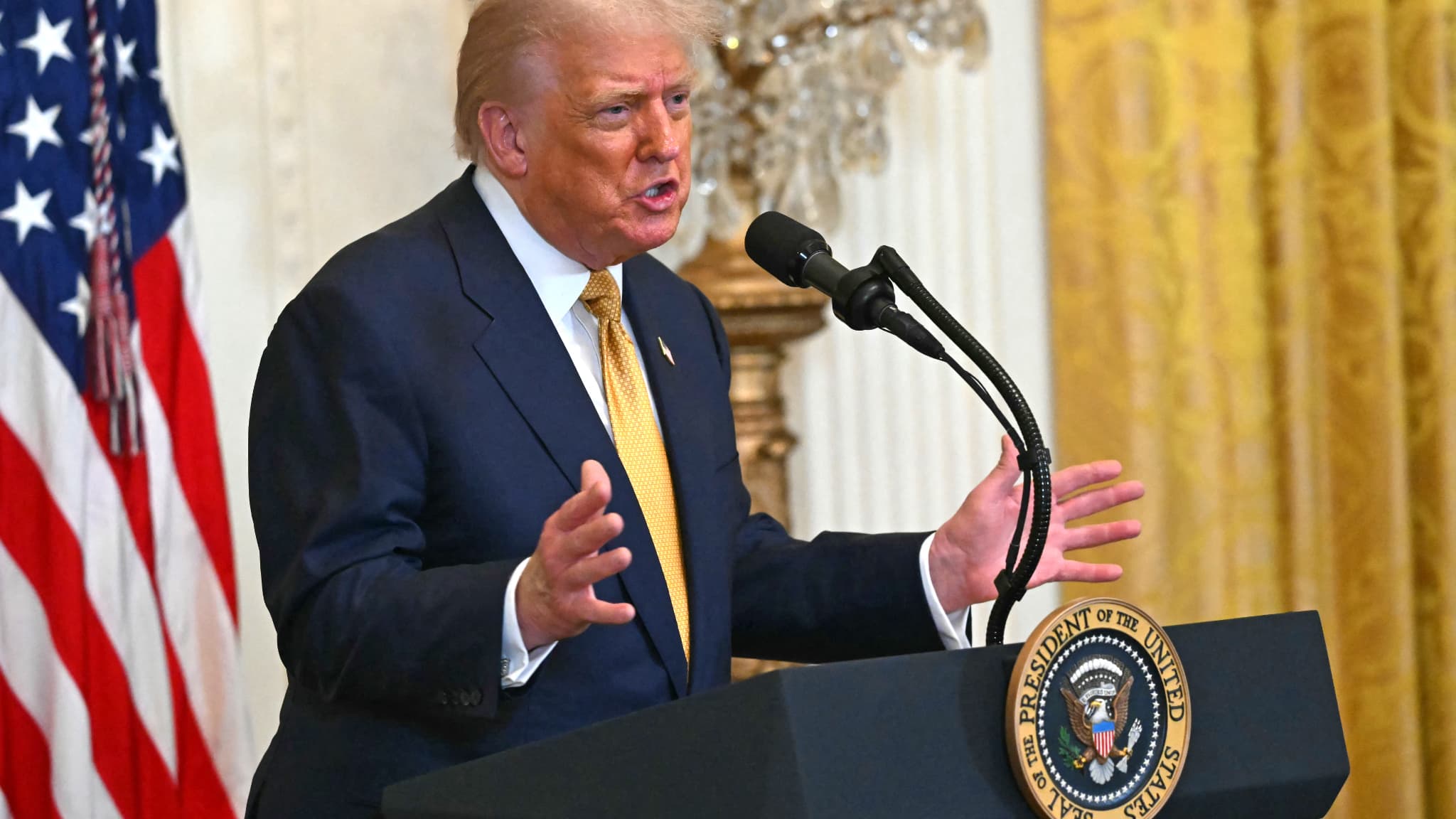
Critics Decry Federal Voucher Rules as 'Poison Pill' for Public Schools
The U.S. Treasury’s newly proposed regulations for the federal school choice program have ignited a firestorm of opposition, with critics labeling the initiative a strategic assault on public education. The plan, tied to the Education Freedom Tax Credit, faces intense scrutiny over its potential to redirect billions into private, unaccountable institutions.

Bitcoin Struggles Near $84,000 as Market Tests Key Overhead Supply
Bitcoin has pulled back toward $84,000 after hitting a session peak of $87,220, leaving traders to watch a critical concentration of overhead supply. Analysts at Bitfinex suggest that sustained market momentum now hinges on whether buying pressure can push the price decisively above the $86,500 threshold.

USPS Policy Changes Threaten Thousands of Mail-In Ballots
A new postal service initiative, Regional Transportation Optimization, is creating a logistical bottleneck that could disenfranchise tens of thousands of voters. By eliminating evening pickups at rural post offices, the policy ensures that ballots mailed on Election Day may arrive too late to be counted in final tallies.

Brickken CEO Warns Uneven AI Access Risks European Talent Drain
Edwin Mata, the CEO of Barcelona-based tokenization firm Brickken, warns that fragmented access to advanced AI tools like OpenAI’s products is forcing European startups to outsource their growth. He argues that even if companies keep their headquarters in the region, the most vital jobs and investments are increasingly migrating abroad.

Kraken Parent Payward in Talks with BNY for Crypto Infrastructure
Payward, the parent company of crypto exchange Kraken, has entered preliminary discussions with BNY to build a strategic partnership. The potential deal spans six key areas, including institutional crypto custody, payment rails, wealth management, and infrastructure services, according to sources familiar with the ongoing negotiations.
White House Delays Abortion Pill Restrictions to Avoid Election Fallout
The Trump administration is intentionally stalling efforts to restrict access to abortion pills until after the midterms, according to reports from The Washington Sun. While anti-abortion advocates have been assured that "the gloves will be off" once voting concludes, officials are suppressing aggressive action to avoid alienating key voters.

French Student Protests Escalate as Unions Prepare Nationwide Strike
With more than 560 schools shuttered across France on Friday, the government’s austerity measures have triggered a volatile standoff. While students rally against crumbling infrastructure and teacher shortages, the movement is now bracing for a broader labor intervention as unions mobilize for a national strike scheduled for October 6.

Utexo Sets October Launch for USDT on Bitcoin Network
Tether-backed Utexo is preparing an October mainnet launch to bring USDT back to the Bitcoin ecosystem. Utilizing the RGB protocol, the platform aims to enable private stablecoin transfers, direct BTC swaps, and Bitcoin-backed lending, marking a significant evolution in how assets interact with the primary blockchain ledger.
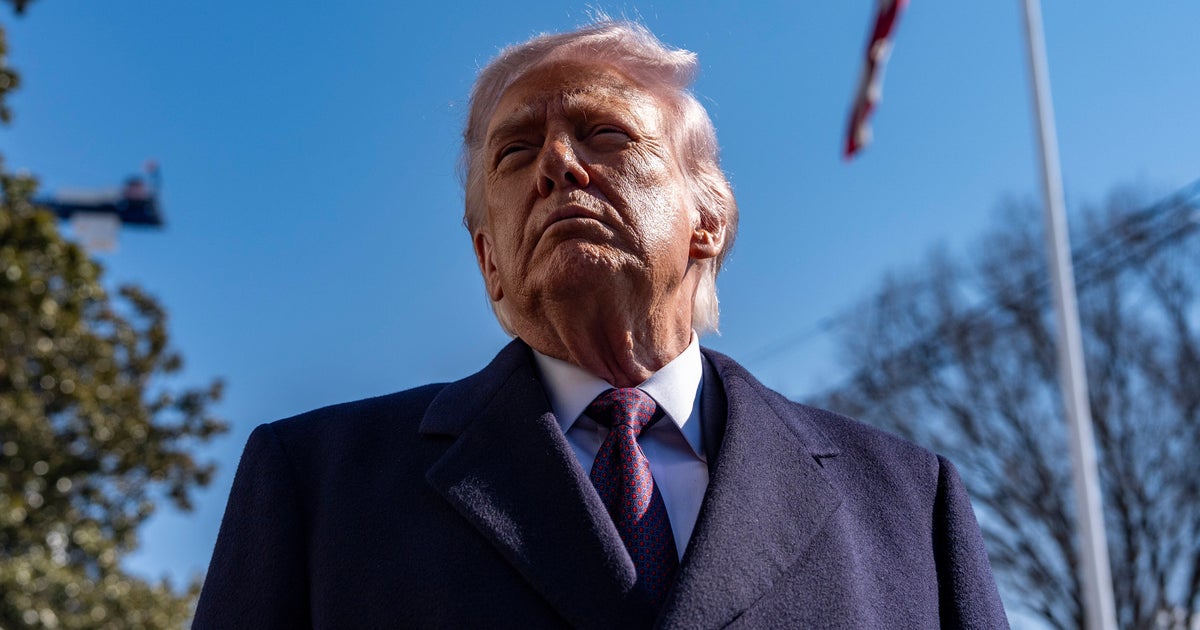
The Comstock Strategy: A Quiet Path to a National Abortion Ban
Jonathan Mitchell, the architect of Texas's bounty-style abortion law, is urging Donald Trump and his political allies to remain silent on reproductive rights until after the November election to avoid revealing a more aggressive, legally sophisticated plan to bypass Congress and restrict abortion access nationwide.

Blast to Shut Down Network as Operational Costs Outpace Revenue
The Blast Layer 2 network has announced plans to wind down operations, citing an inability to achieve financial sustainability. Citing maintenance expenses that now exceed generated revenue, the team behind the project is urging users to migrate their assets to the Ethereum mainnet before the October 26, 2026, deadline.
US Job Growth Stalls as Wage Gains Hit Five-Year Low
The American labor market is showing signs of exhaustion, with the economy adding just 29,000 jobs in September. This figure fell drastically short of the 90,000-job forecast, while previous months faced downward revisions, signaling a deepening disconnect between White House optimism and the reality of working families.
Bitcoin Eyes $87,500 Resistance After Weak Payroll Report
U.S. nonfarm payrolls grew by a meager 29,000 in September, significantly undershooting economist forecasts of 90,000. This cooling labor market has recalibrated expectations for Federal Reserve policy, fueling investor optimism that interest rate hikes may pause in October and providing fresh momentum for Bitcoin’s latest recovery.

Circle Challenges EU Stablecoin Reserve Rules Following SVB Collapse
Circle is lobbying the European Commission to dismantle mandatory bank deposit thresholds for stablecoin reserves, arguing that forcing issuers to park capital in commercial banks creates systemic credit risks rather than stability, a lesson learned during the $3.3 billion exposure to the failed Silicon Valley Bank.
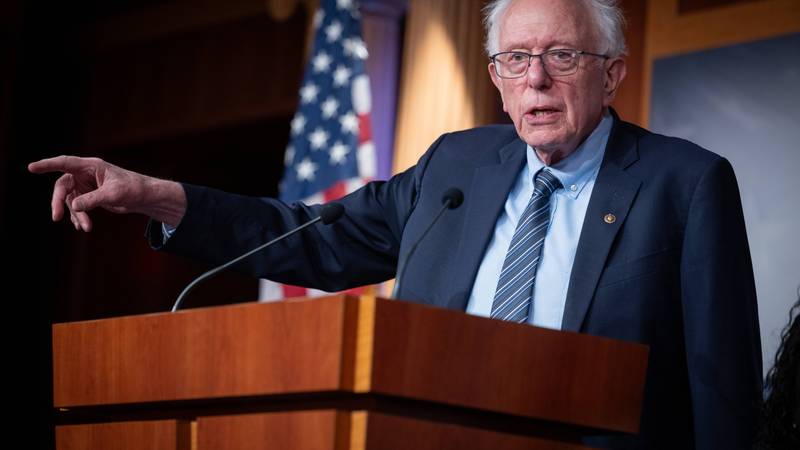
Sanders and Ocasio-Cortez Target Flock Safety in Surveillance Crackdown
A coalition of lawmakers led by Senator Bernie Sanders and Representative Alexandria Ocasio-Cortez introduced the Ban Flock Act on Friday, aiming to dismantle the federal government's reliance on AI-powered license plate readers that they argue are turning the United States into an unchecked surveillance state.

Forward Industries Expands Solana Treasury Amid Strategic Growth
Forward Industries added nearly 949,000 SOL to its treasury during the fiscal fourth quarter, bringing total holdings to 8.5 million tokens. The accumulation, bolstered by a $25 million stock offering, pushed the company’s SOL-per-share metric up 10.4% as management aggressively pursues a long-term Solana-centric investment strategy.

THORChain Activates Zcash Liquidity Pool Amid Security Scrutiny
THORChain launched its Zcash liquidity pool on October 2, marking a significant step toward enabling native ZEC trading. Following a network-wide node churn, every node is now monitoring the Zcash chain, though the protocol has advised users to exercise caution due to currently shallow liquidity levels.

SMBC Nikko targets 2027 for Japan-focused DeFi gateway
SMBC Nikko Securities is formalizing a path into decentralized finance, signing a memorandum of understanding with Uniswap Labs, Nethermind, Base, and the Nyx Foundation to build a regulated gateway for Japanese investors. The consortium aims to complete the infrastructure by mid-2027, integrating compliance controls directly into liquidity pools.

Bybit Targets Turkish Market with Super App Ambitions
Bybit is mapping out a transition from a dedicated crypto exchange to a comprehensive financial super app in Türkiye. CEO Ben Zhou views the nation as a top-five global market, aiming to integrate traditional investment products, international transfers, and stablecoin payment services into the platform’s existing local infrastructure.
Protesters Gather as Trump Hosts Exclusive Crypto Investor Dinner
Protesters are descending on Donald Trump’s Virginia golf club Thursday night, marking their opposition to a private dinner between the president and the top 220 investors in his personal meme coin. Critics and ethics watchdogs are labeling the event a brazen display of corruption, citing the massive financial stakes involved.
Trump Meme Coin Holders Offered Dinner in Exchange for Token Purchases
Donald Trump’s crypto venture is incentivizing further investment in its volatile $TRUMP token by offering top buyers an invitation to what organizers call the world’s most exclusive dinner. The campaign, managed by CIC Digital and Fight Fight Fight LLC, rewards high-volume holders with a private evening at the president’s Virginia golf club.

Robinhood’s tokenized stock volume testing SEC exemption limits
Robinhood’s trading volume for tokenized stocks is already approaching the strict caps set by the SEC’s new five-year innovation exemption. Despite the company’s push to bring traditional equities on-chain, senior crypto lead Johann Kerbrat confirmed the platform is currently navigating the regulatory parameters to avoid mandatory trading halts.
Inside the €39.5M AI Heist at Fideuram
An elaborate digital impersonation scheme has drained €39.5 million from Fideuram, Italy’s premier private banking arm. Fraudsters utilized AI-cloned voices and forged executive documents to manipulate high-level staff into authorizing nearly €95 million in illicit international transfers, leaving investigators chasing a digital paper trail into the world of cryptocurrency.

South Korea’s Bithumb and Upbit Expand AI Token Offerings
South Korea’s two dominant cryptocurrency exchanges, Bithumb and Upbit, significantly expanded local access to AI-linked assets on October 2. Bithumb introduced Talus (US) to its won-denominated market, while Upbit launched Dolphin (POD) across its won, Bitcoin, and Tether trading pairs, deepening the region's exposure to decentralized AI infrastructure projects.

New York Court Dismisses LIBRA Class Action Lawsuit
A federal judge in New York has dismissed a class action lawsuit against Meteora and its former CEO Benjamin Chow, effectively ending a high-stakes legal battle over the LIBRA and M3M3 memecoin launches. The court ruled that plaintiffs failed to substantiate claims of fraud, racketeering, and corporate liability.
Bitget Hack: $387 Million Vanishes into Bitcoin Mixers
Five days after a $387.5 million breach hit Bitget, investigators report that only $840,000 has been successfully frozen. The attackers bypassed internal security via compromised third-party software, rapidly converting stolen assets across multiple blockchains before funneling the bulk of the funds into Bitcoin through decentralized cross-chain protocols.

South Korean Crypto Exchanges Face Profit Collapse as Trading Dries Up
Operating profits for South Korean cryptocurrency exchanges plummeted 78% during the first half of 2026, falling to KRW81.6 billion. The downturn, documented by the Korea Financial Intelligence Unit, reflects a broader contraction in market participation as daily trading volumes and domestic crypto holdings retreated sharply across the board.

Fed rate pause signals potential relief for Bitcoin
Federal Reserve Vice Chair Philip Jefferson has signaled that policymakers may delay further interest rate hikes, tempering market expectations for an October increase. As traders recalibrate their outlook, the potential cooling of U.S. Treasury yields offers a glimmer of hope for Bitcoin, which has struggled under the weight of tightening financial conditions.

Bitcoin Whales Move $30.5 Billion to Binance
Large investors have funneled $30.5 billion in stablecoins onto Binance over the last 30 days, a 40% jump that signals a rapid increase in deployable liquidity. While the influx suggests whales are positioning for market moves, the capital remains uncommitted as Bitcoin hovers near $84,700.
Upbit integrates AI tools to decode crypto market volatility
South Korean exchange operator Dunamu is deploying new artificial intelligence tools within its Upbit Data Lab to help traders interpret the drivers behind digital asset price shifts. The update includes automated video summaries and interactive chart markers that map specific market news directly to historical price fluctuations.

SBI Tests Stablecoin QR Payments for Tourists in South Korea
Japanese travelers may soon bypass traditional currency exchange when visiting South Korea, as SBI DigiTrust teams up with local partners NICE Information & Telecommunication and DSRV to pilot a stablecoin-based QR payment system. The project, currently in its verification phase, aims to map out the technical and regulatory requirements for cross-border settlement.