All news

MultiversX Probes Potential Mainnet Disruption
MultiversX developers have launched an investigation into an unspecified technical issue on the network’s mainnet, prioritizing the security and reliability of its layer-1 blockchain. The team disclosed the active review at 10:00 a.m. UTC on September 19, promising a follow-up assessment within a 12-hour window.

HotShort to Unveil Short-Drama Tokenization Model at GWDC Seoul
Content platform HotShort will debut its strategy for converting mobile short-drama revenue into blockchain-based assets at the Feixiaohao × GWDC 2026 Innovation Forum in Seoul. Scheduled for September 29, the presentation aims to bridge the gap between entertainment cash flows and onchain digital asset structures.

Lemon Exits Brazil as Licensing Costs Outpace Local Revenue
The Argentine cryptocurrency platform Lemon is shuttering its Brazilian operations, citing capital requirements for new virtual-asset licenses that it deems disproportionate to its local market share. The move forces roughly 15,000 customers to withdraw their holdings before a mid-October deadline, marking a strategic retreat from the country’s tightening regulatory landscape.

Bitcoin Eyes $83K Breakout After Short Squeeze Drives 6% Rally
Bitcoin surged to $81,330 over the past 24 hours, clawing back losses from a volatile week to reach its highest point in a fortnight. The rebound, fueled by a massive liquidation of leveraged short positions, now faces a critical resistance test that analysts suggest could confirm a long-term market bottom.

NFT Market Sales Dip as Participation Metrics Surge
Global NFT sales volume contracted by 15.28% to $37.54 million over the past week, even as the number of active buyer and seller addresses more than doubled. This divergence between declining dollar volume and rising wallet participation suggests activity is dispersing across a wider, potentially more fragmented user base.

Crypto ETFs See $70M Exit as Ether Struggles Against Solana Gains
U.S. spot crypto exchange-traded products faced a turbulent week, recording $70.7 million in combined net outflows. While Bitcoin funds clawed back losses to finish near flat, Ether ETFs suffered a significant $140.6 million exodus, contrasting sharply with the $60.7 million inflow captured by Solana-based investment products.

Crypto VC Funding Hits $180 Million as Institutional Interest Deepens
A surge in institutional capital defined the week of September 12–18, as nine crypto and blockchain companies secured $180.25 million in disclosed financing. The week’s primary driver was a $110 million round for Kaiko, highlighting a clear market shift toward regulated data infrastructure and stablecoin-integrated payment systems.

Linera Winds Down Operations Following Failed Token Sale
After failing to meet the minimum funding threshold in a recent token sale, the blockchain project Linera has begun winding down its operations. Despite securing nearly $900,000 in commitments through the Sonar platform, the project could not raise enough capital to sustain development or reach its planned mainnet launch.

Anthropic Sets November IPO Target at $2 Trillion Valuation
Anthropic has pushed its initial public offering to November, aiming for a massive $2 trillion valuation that could raise up to $100 billion. The delay provides the AI developer additional time to finalize third-quarter financial results and gauge investor appetite before entering the public markets.
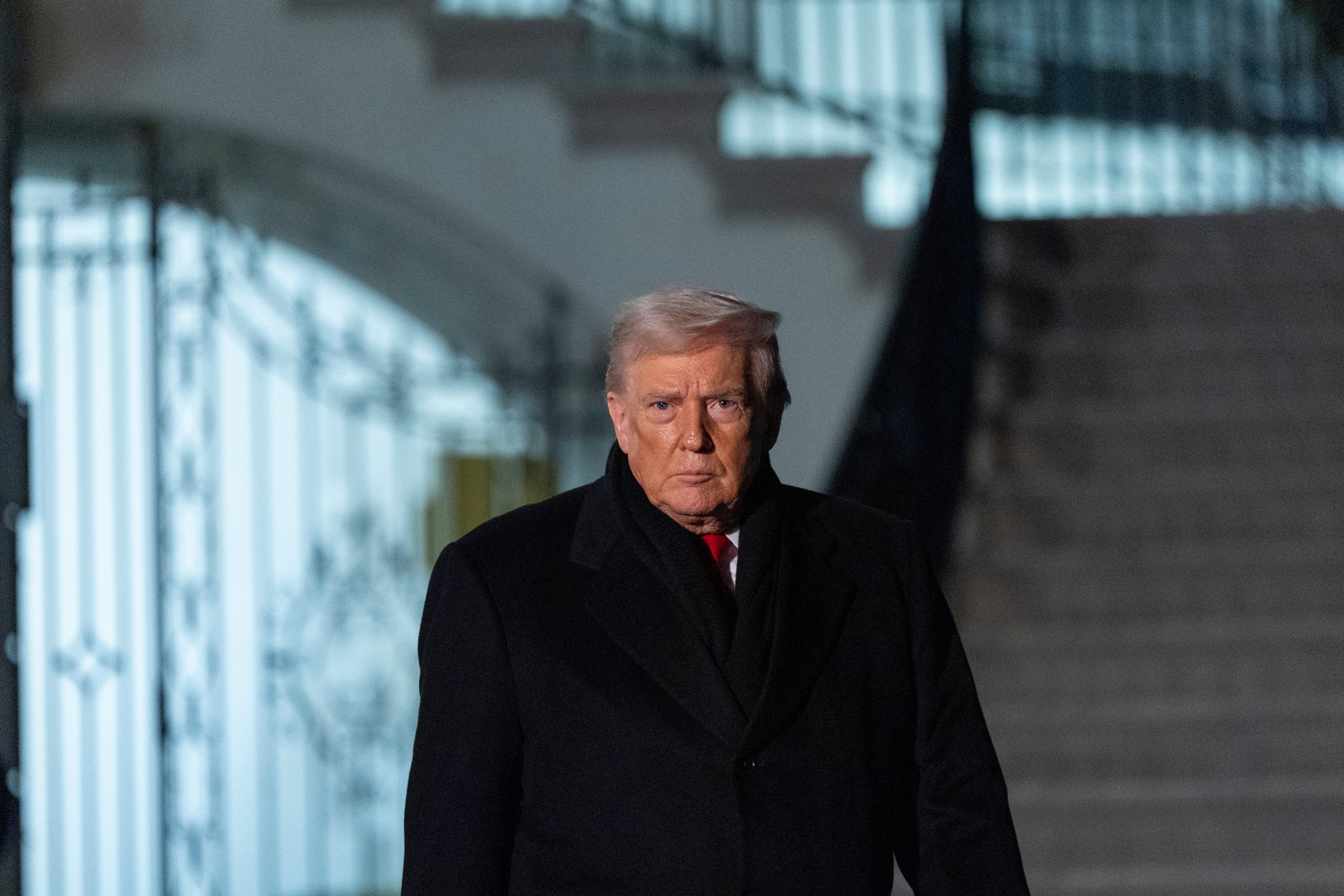
Trump Administration Targets Public Lands for AI Data Center Expansion
The Trump administration is scouting 17,600 acres of federal territory across six Western states for at least a dozen massive AI data centers. This push to utilize public land comes as new data reveals that major tech firms secured $70 billion in federal tax breaks for projects they were already planning to build.
Amnesty Warns of Torture Risk for Migrants Deported to Equatorial Guinea
Two men deported by the Trump administration to Equatorial Guinea face imminent risk of torture, according to Amnesty International. Ahmed Soliman and Samson Birhane, who held legal protections against removal to their home countries, are currently being held incommunicado following a violent police raid at a hotel in Malabo.
Judge Rules White House Cannot Blacklist AP Over Naming Dispute
A federal judge has ruled that the White House cannot restrict The Associated Press’s access to presidential events as retaliation for the news agency’s refusal to adopt the administration’s preferred name for the Gulf of Mexico, marking a significant First Amendment victory for the news organization.
Trump Threatens to Bar Major News Outlets from White House Access
President Donald Trump announced on Friday he would ban CNN, MSNOW, and Politico from the White House, claiming the organizations spread fiction and lies. The declaration, delivered via a Truth Social post, marks a sharp escalation in the administration's long-standing confrontation with independent news media over their critical coverage.

Press Freedom Groups Demand Release of Detained Nicaraguan Journalist
A coalition of 15 advocacy organizations is calling for the immediate release of Luis Galeano, a Nicaraguan journalist currently held by U.S. Immigration and Customs Enforcement. The group warns that deporting the reporter to his home country would place him in severe danger due to his history of exposing government abuses.
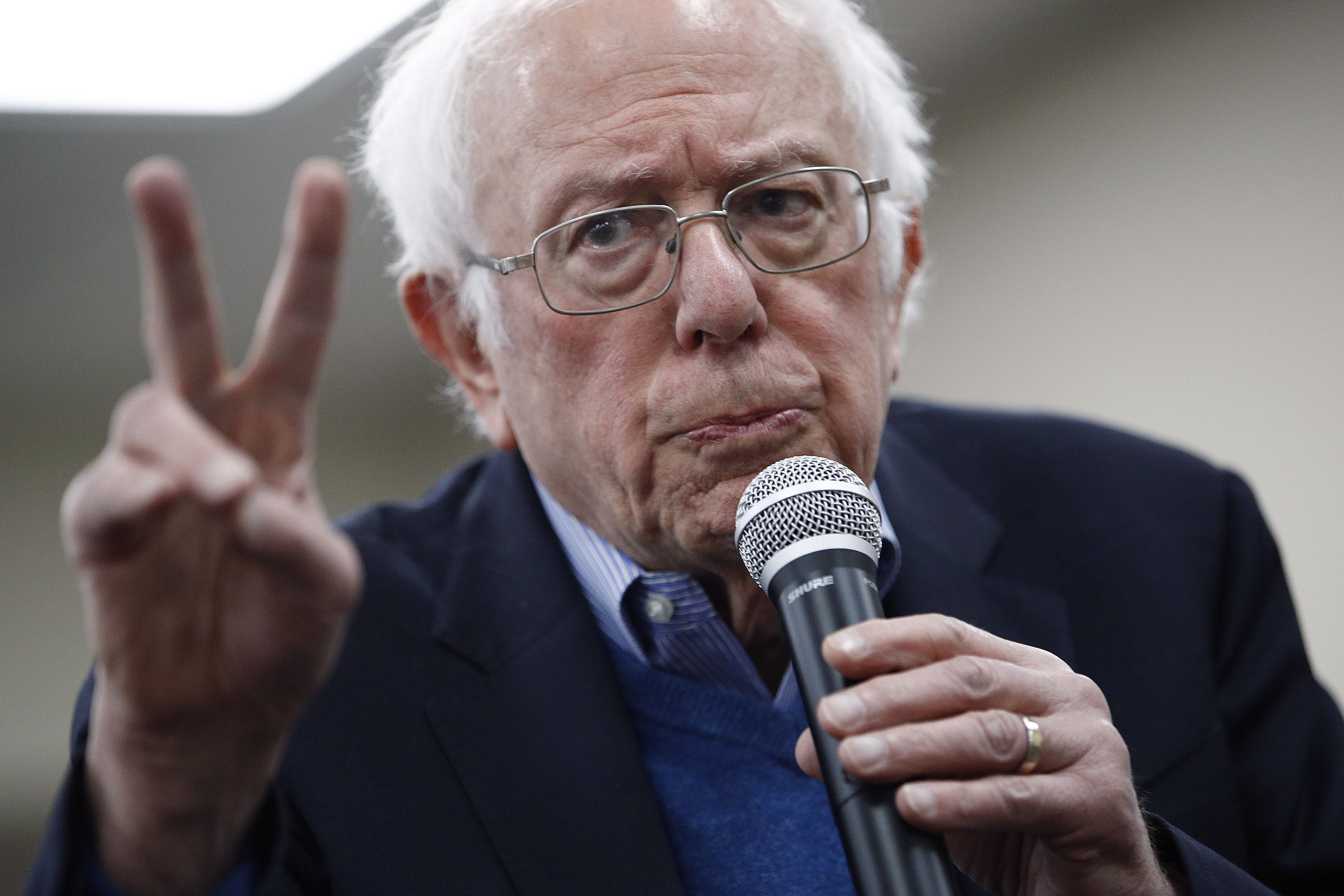
Sanders Slams FCC Approval of Middle East Stake in Paramount Merger
Senator Bernie Sanders has joined a growing chorus of critics condemning the Federal Communications Commission for clearing the way for substantial foreign investment in a potential media giant. The decision allows investment funds from Qatar, Saudi Arabia, and the UAE to hold nearly half of the ownership in a merged Paramount and Warner Bros. Discovery.

European Banks Rapidly Expand Footprint in MiCA Crypto Register
Traditional financial institutions have doubled their presence on the European Union’s MiCA register in less than three months, signaling a shift in the region's digital asset landscape. Banks now account for nearly 23% of all listed crypto-asset service providers, outpacing the entry rate of crypto-native firms.

Binance Enters $9.6 Trillion FX Market With 100x Leverage
Binance is pushing into the massive global foreign exchange market with the launch of a perpetual contract tracking the U.S. dollar against the Brazilian real. Starting September 21, the product offers traders 100x leverage and continuous 24/7 access, effectively bridging the gap between crypto-native derivatives and traditional currency trading.
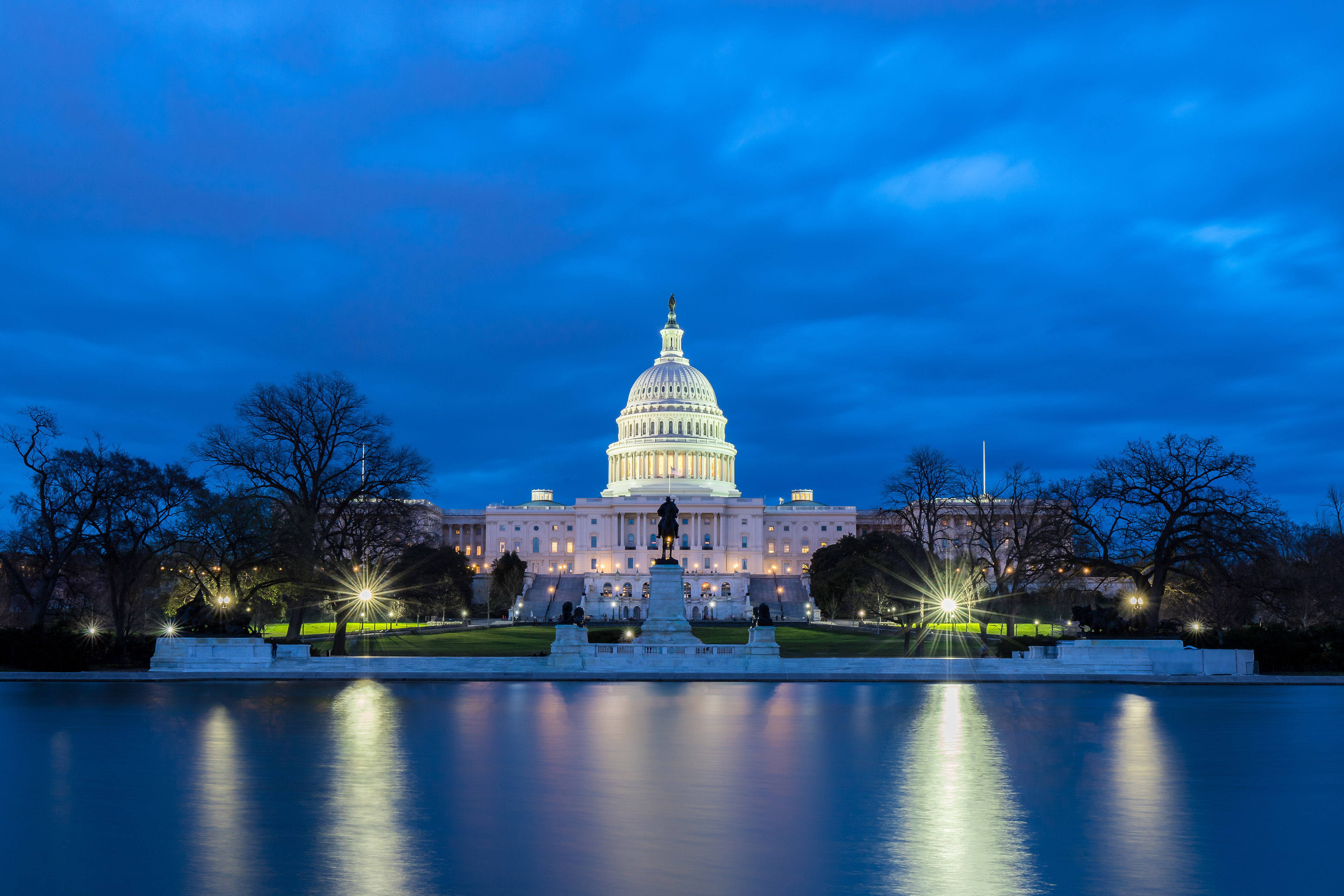
Congress Faces Scrutiny Over Millions in AI Industry Stakes
A report from Sludge reveals that one in five members of Congress holds personal or household investments in the artificial intelligence sector, totaling as much as $287 million. These financial ties persist even as lawmakers debate the necessity of urgent safety regulations to mitigate potential existential risks posed by the technology.

Rights Group Demands Congress Block $2.8 Billion Bomb Sale to Israel
Warning that the transfer could implicate lawmakers in war crimes, the advocacy group Democracy for the Arab World Now (DAWN) has formally urged Congress to stop the Trump administration’s proposed $2.8 billion sale of 40,000 heavy-duty bombs to Israel, citing the munitions' devastating impact on civilian populations.

Nancy Pelosi to Retire, Closing a Four-Decade Chapter in Congress
After forty years of wielding power from the Speaker’s chair to the halls of the Capitol, Nancy Pelosi announced her 20th term will be her final one. The 85-year-old Democrat’s decision to exit the political stage in 2026 marks the end of an era defined by corporate-friendly centrism.

Fake AI Tutorials Trick Investors Into Deploying Malicious Contracts
A sophisticated scam targeting cryptocurrency users has siphoned 274.6 ETH, worth approximately $517,000, by masquerading as educational content for AI-powered arbitrage bots. TRM Labs reports that 224 victims were deceived into manually deploying malicious smart contracts that drained funds under the guise of legitimate trading software.

Internal Files Reveal AI Giants Knew Scraping Was Theft
While publicly championing AI as a tool for human empowerment, internal documents from OpenAI and Microsoft reveal that executives privately acknowledged their training methods amounted to the largest theft of labor in history, knowingly building products designed to render the journalists they relied upon obsolete.

SEC mandates shareholder rights for tokenized U.S. stocks
The U.S. Securities and Exchange Commission has launched a five-year framework for tokenized National Market System stocks, strictly requiring that digital tokens mirror the economic, voting, and liquidation rights of underlying shares. This move sidelines synthetic products that offer mere price exposure in favor of verifiable legal ownership.

SEC Stock Token Exemption Leaves Pricing Gap for Automated Markets
The SEC’s new framework for tokenized U.S. stocks allows for permissioned onchain trading, yet creates a significant structural disconnect. While the tokens can trade 24/7, the NYSE and Nasdaq primary markets operate for only 32.5 hours per week, leaving automated market makers without a live reference price for the majority of the time.

LSEG Targets 2027 Launch for 24/5 Tokenized Equity Trading
The London Stock Exchange Group is preparing to launch a 24/5 trading cycle, dubbed LSEG24, in the first half of 2027. Darko Hajdukovic confirmed the exchange is building a digital securities depository and developing tokenized equity products, supported by new infrastructure partnerships with Kraken and HSBC.
BaFin official warns centralized EU crypto oversight risks market friction
Centralizing crypto supervision under an EU-wide authority could impose significant operational burdens on firms while diminishing the flexibility required for nuanced market regulation, according to Stephan Mögelin of Germany’s Federal Financial Supervisory Authority. The warning highlights a growing tension between regional consistency and the benefits of local regulatory expertise.
American Farmers Face Financial Ruin Amidst War and Trade Disputes
With diesel prices hitting a record $6.45 per gallon, American farmers are reporting a desperate struggle for survival. For many who once supported President Donald Trump, the combination of a prolonged military conflict in Iran and escalating trade tensions with Canada has turned from a political issue into a personal financial crisis.
BlackRock: Stablecoins must integrate with bank and central bank rails
For stablecoins to function as reliable settlement assets in regulated markets, they must maintain perfect interchangeability with bank deposits and central bank money. Nikhil Sharma, BlackRock’s head of digital assets, argues that the financial system requires a unified standard for payment claims, backing, and recourse.
New Tax Law Subsidizes Private Jets While Cutting Healthcare
A federal budget package signed into law by President Donald Trump includes a tax provision allowing private jet owners to write off the full cost of their aircraft in the first year of purchase, even as the same legislation mandates deep cuts to Medicaid and federal nutrition assistance for millions of Americans.

Billionaire Air Travel Subsidized by Public Taxpayers
A tiny fraction of the global population—roughly 0.003%—is currently responsible for a disproportionate share of aviation emissions while relying on tax breaks and public infrastructure funding. A new report from the Institute for Policy Studies reveals that everyday taxpayers are effectively subsidizing the private jet lifestyles of the world's wealthiest individuals.