All news

Trump eyes swift end to Iran conflict as Hormuz talks continue
Donald Trump declared the United States is on a path to victory in the conflict with Iran, predicting a resolution will arrive shortly. His remarks from the Oval Office follow ongoing back-channel discussions aimed at reopening the Strait of Hormuz, though no formal ceasefire or deal with Tehran has been reached.

Cboe Secures S&P 500 Options Monopoly Through 2051
Cboe Global Markets has locked in the exclusive rights to trade S&P 500 options for the next quarter-century, extending its lucrative licensing agreement with S&P Dow Jones Indices through 2051. The deal arrives as the exchange operator logs record-breaking volume for its flagship SPX contracts, which saw 970.6 million units traded in 2025.

Senate Set to Vote on Transparency Resolution for West Bank Human Rights
The US Senate prepares for a Tuesday vote on a resolution demanding that the Trump administration formally document Israel’s human rights record in the West Bank, a move aimed at addressing concerns over land seizures, mass displacement of Palestinians, and the rising death toll involving American citizens in the region.
:format(jpg)/f.elconfidencial.com%2Foriginal%2Fcc0%2Fb32%2Fbc7%2Fcc0b32bc7008af9a30695a989ca5829c.jpg)
Spanish Housing Protests Force Government Reform Push
The eviction of an 87-year-old woman has ignited a nationwide uprising in Spain, forcing the government to propose emergency housing decrees. While demonstrators celebrate the reversal of individual evictions, activists warn that Prime Minister Pedro Sánchez’s legislative strategy may leave core tenant protections vulnerable to parliamentary defeat.

Senator Schmitt’s Perjury Trap Against Jack Smith Collapses Over Team Name
Senator Eric Schmitt’s attempt to corner former special counsel Jack Smith during a Senate Judiciary Committee hearing backfired Tuesday when the Missouri Republican accused Smith of lying about attending an Atlanta Hawks game, only for it to emerge that Smith had actually attended a game featuring the Iowa Hawkeyes.

Aztec Labs Revives zk.money to Restore Ethereum Privacy
After a three-year hiatus, Aztec Labs has relaunched its zk.money wallet, aiming to mask transaction details that would otherwise remain exposed on Ethereum's public ledger. The platform enables self-custodial private payments, replacing complex hex-code addresses with readable handles to shield balances and transfer history from prying eyes.
Public Citizen demands halt to taxpayer-funded Trump campaign ads
The watchdog group Public Citizen has filed formal complaints with federal regulators and broadcasters, demanding an immediate end to television advertisements featuring Donald Trump that are financed by government funds. Critics argue these spots function as partisan campaign material rather than legitimate public service announcements.

Fed rate path poses greater threat to Bitcoin than stalled CLARITY Act
A potential interest rate hike in October poses a more significant risk to Bitcoin’s price trajectory than the Senate’s recent rejection of the CLARITY Act. According to HashKey Group researcher Tim Sun, investors are increasingly focused on macroeconomic tightening signals rather than stalled regulatory frameworks in Washington.

Unrepresented Children Face Fast-Track Deportation in US Courts
In a Harlingen, Texas courtroom, a 13-year-old boy named Angel stood before a judge, weeping as he was forced to choose between a $3,000 stipend to return to Honduras or a deportation order. He was one of many unaccompanied minors now navigating complex legal proceedings entirely without counsel.

Soneium and DayOneDream Partner to Tokenize K-Pop IP
During Korea Blockchain Week in Seoul, Sony-backed Soneium and entertainment firm DayOneDream announced a strategic partnership to bring K-pop intellectual property and revenue streams on-chain. The collaboration aims to leverage DayOneDream’s WAVIST platform to transform entertainment financing through tokenized asset instruments.
Bitcoin Struggles Near $83,000 as Market Momentum Fades
Bitcoin retreated to the $83,000 level on September 29, struggling to regain the momentum that pushed the cryptocurrency to a peak of $87,400 earlier in the month. The decline places the asset in a precarious position between key technical support levels and dense clusters of potential long liquidations.

Supreme Court Review Threatens Climate Accountability Lawsuits
The US Supreme Court has agreed to intervene in a legal battle that could dismantle efforts to hold major fossil fuel companies accountable for climate change. The case centers on a 2018 lawsuit filed by Boulder, Colorado, seeking damages from ExxonMobil and Suncor for their role in exacerbating extreme weather events.

Justice Alito Recuses Himself From High-Stakes Climate Lawsuit
Under intense public pressure regarding his financial ties to the energy sector, Supreme Court Justice Samuel Alito announced his withdrawal from Suncor Energy v. County Commissioners of Boulder County. The move follows years of scrutiny over the justice's stock holdings and his failure to step aside in previous cases.

Morgan Stanley Opens Lab to Probe Tokenization and DeFi
Morgan Stanley has launched a dedicated Digital Asset Lab to experiment with tokenized deposits, digital currencies, and decentralized finance applications. Operating within the bank’s existing innovation network, the facility allows employees to stress-test blockchain protocols and automated investment strategies without touching core financial systems.
Trump’s Unfulfilled Credit Card Rate Cap Costs Americans Billions
President Donald Trump campaigned on a promise to cap credit card interest rates at 10%, yet his inaction since taking office has left that pledge unfulfilled. According to a new analysis, this failure has already cost Americans $134.5 billion in excess interest payments as household debt continues to climb.

Debt payments are cannibalizing American wage gains
For the typical American household, the promise of higher earnings is vanishing before it hits the bank account. New research reveals that over half of all income growth since 2022 is being funneled directly into debt servicing, as families increasingly rely on credit to cover basic living expenses.
Bitwise Launches NEAR Spot ETF on NYSE Arca
Bitwise Asset Management has officially launched the first U.S. spot exchange-traded product providing direct exposure to NEAR, debuting under the ticker NRR on NYSE Arca. The fund, which carries a 0.75% management fee, integrates an institutional staking component designed to accrue rewards directly to shareholder net asset value.

Marshall Demands Removal of Campaign Ad Over Medical Debt Dispute
Attorneys for Senator Roger Marshall have demanded the immediate removal of a campaign ad from Democratic challenger Adam Hamilton, labeling the spot defamatory. The advertisement centers on the 2011 arrest of a former patient, Meischa Zimmerman, who was taken into custody after missing a court-ordered payment for medical debt.
Five metrics to evaluate crypto presales in 2026
With over $155,000 raised in its Stage 8 campaign, the MemeToro project highlights a growing demand for transparency in early-stage token offerings. As the $MT token trades at $0.00528, the platform serves as a case study for evaluating the viability of new crypto assets through standardized vetting criteria.

Bitget’s demand for THORChain intervention tests crypto’s neutrality
When Bitget asked the THORChain network to block addresses linked to its recent $387.5 million hack, it sparked a debate over the role of decentralized infrastructure. If THORChain acts as a gatekeeper against stolen funds, the industry faces a difficult question: why should other networks carrying the same assets remain exempt?

ECB Launches Innovation Program to Test AI-Driven Digital Euro Payments
The European Central Bank is inviting fintechs, researchers, and payment firms to explore how artificial intelligence could reshape the future of the digital euro. By opening applications for a new innovation platform, the central bank aims to test autonomous AI agents, micropayments, and machine-to-machine interactions starting in early 2027.
UN Experts Challenge US Third-Country Deportation Policy
A coalition of 24 United Nations human rights experts on Monday issued a formal demand for the Trump administration to halt the deportation of asylum-seekers to nations where they have no established ties, citing a systemic cascade of human rights violations stemming from the controversial practice.

Ethereum Schedules Glamsterdam Upgrade for Sepolia Testnet
Ethereum will activate its major Glamsterdam scaling upgrade on the Sepolia testnet on October 6 at 13:53:36 UTC. This transition, set for epoch 353,024, marks a critical step in testing new protocol-level proposer-builder separation and block access lists before developers consider a broader mainnet deployment.

Kakaopay Securities and Dinari explore tokenized Korean equities
Kakaopay Securities and Dinari have launched a partnership to determine if Korean-listed shares can be tokenized for international distribution. The collaboration aims to leverage Dinari’s existing blockchain infrastructure to offer global investors, including those in the United States, digital access to South Korean corporate assets.

Settlers Block Return of Palestinian Family in West Bank Riot
More than 100 Israeli settlers rioted in the village of Jalud on Tuesday, successfully preventing a Palestinian family from returning to their home. Despite a High Court of Justice order mandating their protection, the Tubasi family was forced into an armored military vehicle and evacuated as their property was set ablaze.
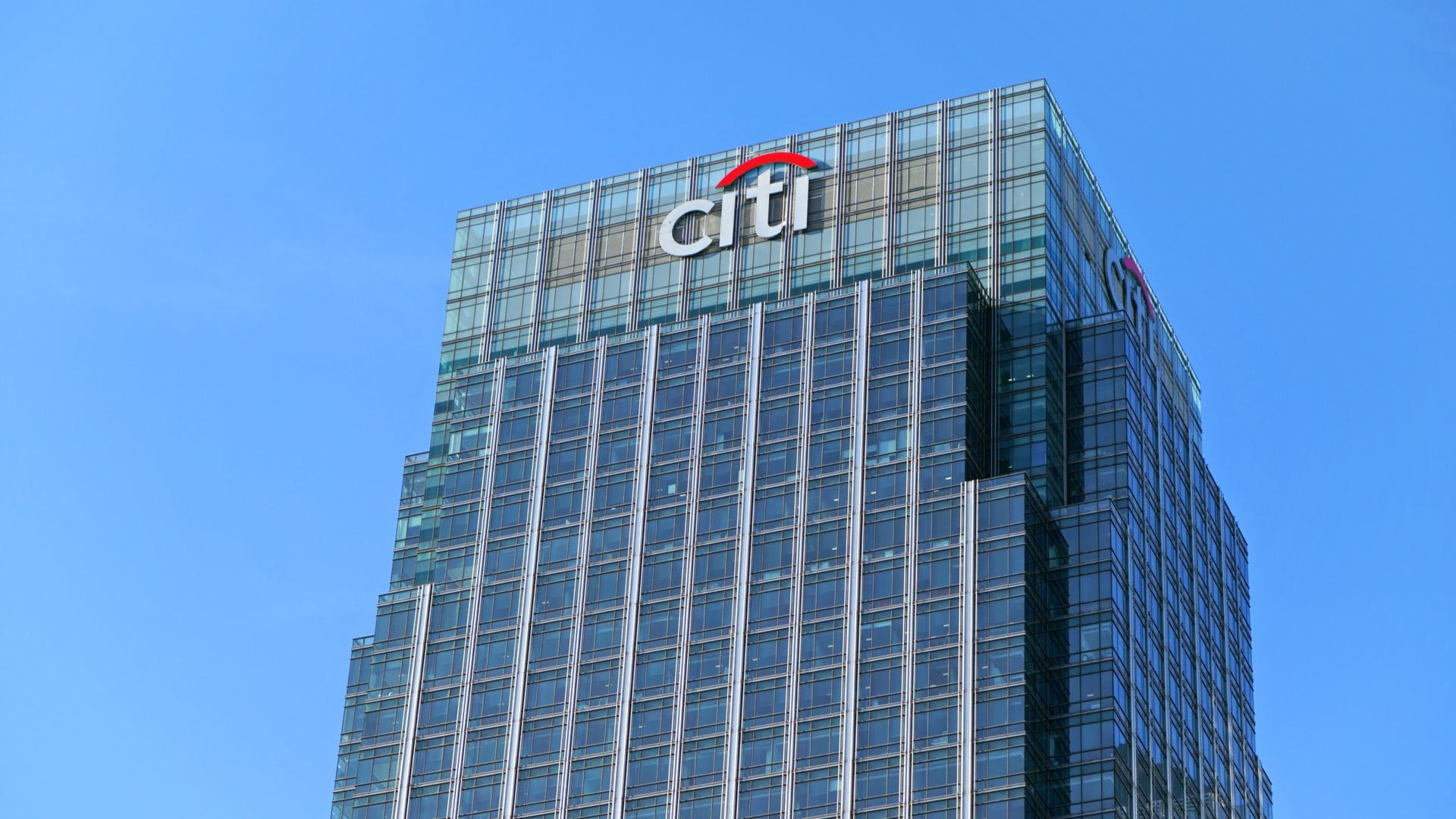
Citi Brings 24/7 Dollar Transfers to Japan
Institutional clients in Japan can now move US dollars around the clock using Citi’s private blockchain-based Token Services, creating a direct alternative to the stablecoin infrastructure currently under development by the nation’s largest banking groups.

Apple Patches Critical iOS CoreGraphics Flaw Amid Security Concerns
Apple has released security updates for iOS and iPadOS to address a critical CoreGraphics vulnerability, identified as CVE-2026-86950, which may have already been leveraged in sophisticated, targeted attacks. While the company confirmed the flaw allows for arbitrary code execution, it remains unclear if the exploit specifically targeted cryptocurrency assets.
Smarter Web shareholders greenlight Bitcoin-backed preferred shares
Shareholders of The Smarter Web Company have cleared the regulatory path for a new class of perpetual preferred shares, dubbed MORE, by overwhelmingly approving the necessary amendments to the firm's articles of association. The move provides the board with the mandate required to pursue an initial public offering on the London Stock Exchange.

KB Kookmin Bank partners with BNY for direct digital wallet payments
KB Kookmin Bank has secured a strategic agreement with BNY to integrate the U.S. financial giant’s new Pay-to-Wallet capability, enabling the South Korean lender to route cross-border remittances directly into retail digital wallets using established correspondent banking infrastructure and SWIFT messaging.
Liquid Network Initiates Audit to Restore Bitcoin Peg Outs
The Liquid Network has launched an independent security audit of its Elements v23.3.4 software, marking a critical step in the phased restoration of Bitcoin peg outs. Withdrawals remain suspended following a September exploit that drained approximately 4,000 BTC from the federation reserve, forcing a comprehensive overhaul of authorization protocols.