All news

The 100-Year Life: Why UK Investors Are Rethinking Retirement
Thirteen percent of UK adults aged 45 to 75 now expect to reach their centenary, a shift prompting a fundamental reassessment of long-term financial planning. As traditional retirement milestones fade, a new study from RBC Wealth Management highlights the growing pressure to fund a longer, more purpose-driven third quarter.

Investment Giants Expand UCITS ETF and Research Fund Offerings
A wave of new investment products has hit the European market, with Lazard, Franklin Templeton, Invesco, and WisdomTree launching targeted funds. These entries range from quantitative equity platforms to defined-outcome ETFs, reflecting a broader industry shift toward systematic active management and enhanced regional accessibility for wealth advisors.

Syz Capital Appoints David Weintraub to Lead Private Equity Pivot
David Weintraub is set to take the helm of Syz Capital, the alternative investments arm of Geneva-based Syz Group. His appointment, which remains subject to approval by the Swiss Financial Market Supervisory Authority, marks a strategic transition for the firm as it narrows its focus exclusively to private equity markets.

Surge in LPA Misconduct Complaints Exposes Vulnerable Wealth
Complaints regarding financial misconduct by attorneys acting under Lasting Powers of Attorney hit a record 11,910 in the year ending March 2026. This 16 percent annual spike highlights systemic weaknesses in a system that grants broad authority over life-altering financial decisions to individuals lacking professional credentials or mandatory financial oversight.
Stonegate Capital Recruits Sadeek Nilamdeen as CFO
Sadeek Nilamdeen has joined the newly established Dubai office of Stonegate Capital to oversee the firm’s financial operations and governance structures. With two decades of experience spanning family offices and corporate finance, Nilamdeen will anchor the firm’s strategy as it scales its regional presence and investment activities.

Leadership Shifts Across Canaccord, Berenberg and W1M
Wealth management firms are reshuffling senior leadership to sharpen their competitive edge, with Canaccord Wealth, Berenberg, and W1M announcing strategic appointments this week. From bolstering AI integration to expanding capital markets expertise, these moves signal a broader push to modernize client services and navigate complex regulatory environments.

Yen volatility threatens a repeat of the Bitcoin carry trade rout
The Japanese yen has tumbled past 158 against the dollar, tempting investors to double down on carry trades while simultaneously priming the market for a violent reversal. As Bank of Japan rate hike expectations cool, the potential for sudden currency intervention looms as a catalyst for liquidating risk assets like Bitcoin.

Lloyds and Visa Complete $750,000 Stablecoin Settlement Test
Lloyds Banking Group and Visa have successfully concluded a seven-day pilot that settled $750,000 in cross-border payment obligations using USDC. By bypassing traditional banking hours, the trial demonstrated that financial institutions can complete settlement in under an hour, even during weekends, using interoperable blockchain infrastructure.

Bybit Reserves Shift Toward Bitcoin and Ether as USDT Holdings Dip
Bybit users have pivoted toward core digital assets, with the exchange’s 40th proof-of-reserves report showing a 2.96% increase in Ethereum balances and a slight rise in Bitcoin holdings. This shift coincides with an 11.46% decline in user-held USDT, signaling a notable reallocation of capital across the platform.

EU Regulators Challenge Binance Over Reverse Solicitation Tactics
European authorities are scrutinizing whether Binance is misusing the "reverse solicitation" loophole to maintain services for EU customers. Following a missed deadline for MiCA licensing in July, regulators are now questioning if the exchange actively targets users in the bloc rather than waiting for them to approach independently.

MetaMask Begins Validator Exit Following Infrastructure Breach
MetaMask has initiated a proactive exit of Ethereum validators after discovering a security incident within its infrastructure on September 30. While the company maintains that no immediate threat exists to user wallets, the decision triggers a wider operational ripple effect across the Lido staking protocol.

Open Standard launches OUSD stablecoin with $1 billion in liquidity
Open Standard has deployed its new Open USD (OUSD) stablecoin across the Base, Ethereum, Solana, and Tempo blockchains, backed by over $1 billion in launch liquidity. The project secures its data integrity through Chainlink, which serves as the official oracle for the new asset.

Arthur Hayes Predicts $1 Million Bitcoin Driven by AI Debt Crisis
Arthur Hayes expects Bitcoin to reach $1 million by 2030, driven by a looming collapse in artificial intelligence infrastructure financing. The Maelstrom chief investment officer argues that as data-center revenues fail to cover massive debt obligations, central banks will be forced to inject liquidity, triggering a massive rally in late 2027.
Goldman Sachs Pushes Back Fed Hike Forecast to December
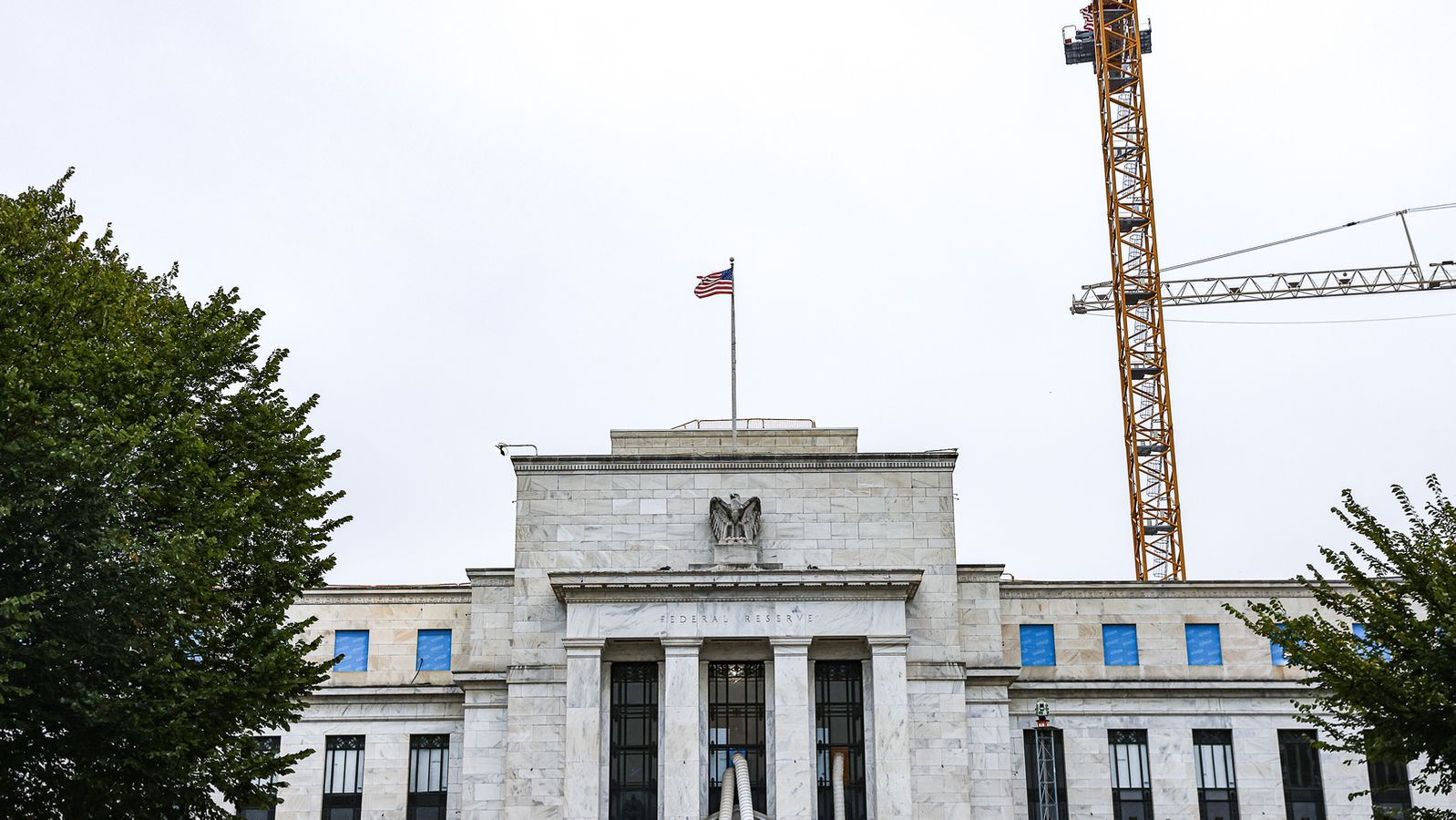
Goldman Sachs has delayed its expectation for a second Federal Reserve rate hike from October to December, citing core PCE inflation data that arrived softer than anticipated. While the bank maintains a December increase in its base case, analysts now see a mounting possibility that the FOMC will forgo further tightening.

Hegseth Taps Musk, Luckey, and Gingrich to Lead Future of Warfare Project
Defense Secretary Pete Hegseth has appointed three civilians with no military service—Elon Musk, Palmer Luckey, and Newt Gingrich—to spearhead "Project Meridian," a 120-day initiative tasked with reimagining the future of warfare, even as the Pentagon moves to slash its senior officer ranks by 20%.
SEC Proposal Sparks Outcry Over Private Market Retirement Risks
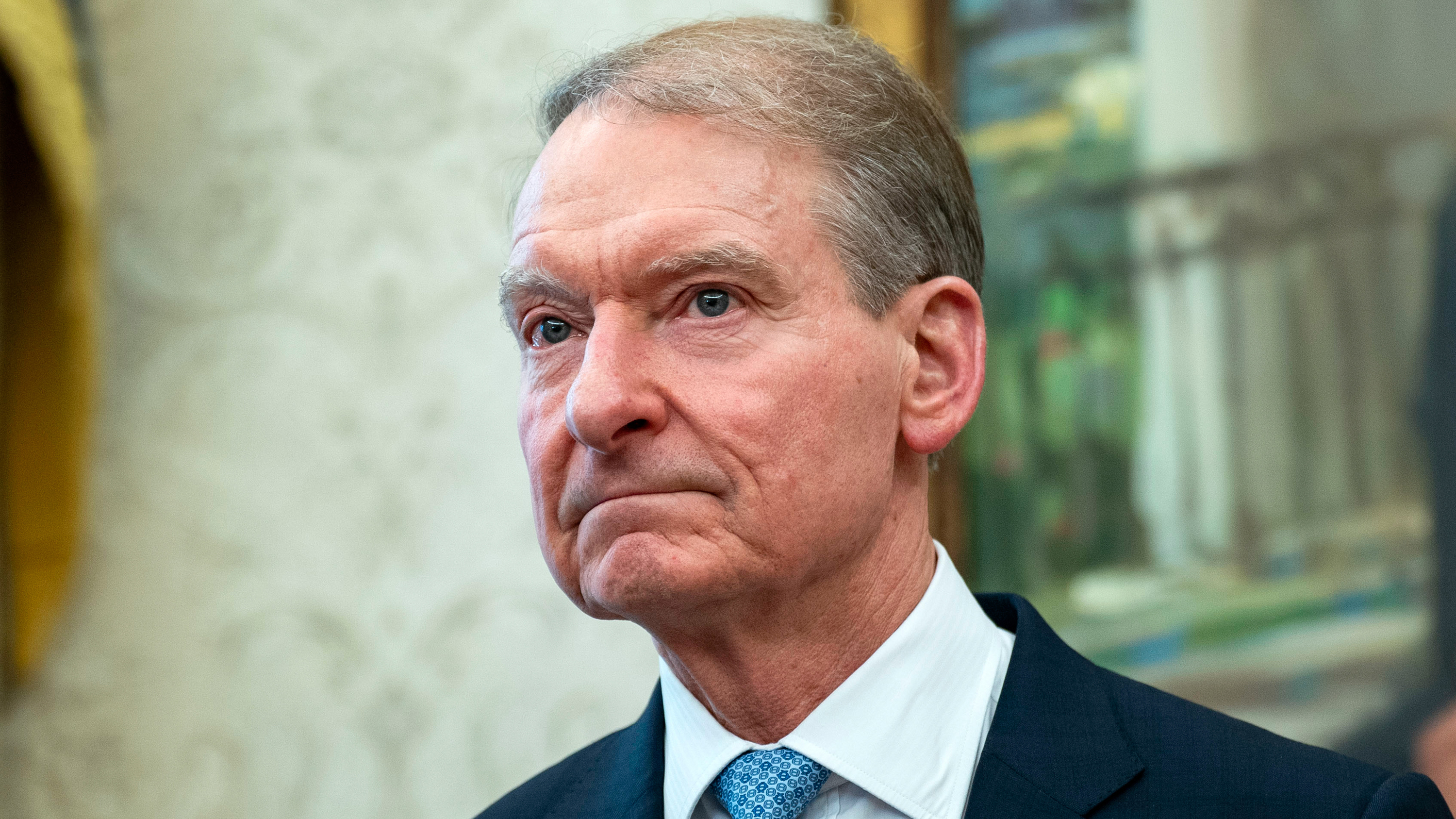
The U.S. Securities and Exchange Commission has proposed new policies aimed at expanding retail access to private market investments, a move Chair Paul Atkins described as a protection-focused effort but which critics have slammed as an irresponsible attempt to channel everyday Americans' retirement savings into risky Wall Street ventures.

Judge Challenges Trump Administration Secrecy on Lethal Boat Strikes
A federal judge has rejected the Trump administration’s attempt to shield a 40-page Justice Department memo used to justify a yearlong series of naval strikes. Judge Paul Engelmayer ruled that because the government cited the document to defend the killing of 234 people, it can no longer claim attorney-client privilege.

Conservationists Fight to Block Border Construction in Big Bend
The Trump administration has allowed a temporary construction freeze in Big Bend National Park to expire, signaling a return to building border barriers in one of the nation's most sensitive landscapes. The move has reignited a legal battle, with advocacy groups rushing to court to prevent further ecological disruption.

Brazil's Economic Shift Ahead of High-Stakes Presidential Vote
As Brazil heads to the polls this Sunday, a new analysis from the Center for Economic and Policy Research highlights a significant economic turnaround under President Luiz Inácio Lula da Silva, even as he faces a tight reelection race against challenger Flávio Bolsonaro.

Democrats Slam GOP Stock Trading Bill as Inadequate Reform
A coalition of House Democrats has rejected Republican leadership’s new legislative proposal to restrict congressional stock trading, labeling it a toothless measure that fails to address systemic conflicts of interest. The dispute pits proponents of a total divestment mandate against a GOP plan that permits current holdings to remain.

Senate Democrats Block Republican Stock Trading Bill
Senate Democrats have derailed a Republican-led proposal to ban congressional stock trading, dismissing the legislation as a cynical "sham" riddled with loopholes. While GOP lawmakers accused their colleagues of protecting personal wealth, critics argued the bill was a vehicle for voter suppression rather than genuine ethics reform.

Texas abortion law update draws criticism over narrow exceptions
A new Texas law intended to clarify medical exceptions for abortion is drawing sharp criticism from rights advocates, who argue the legislation offers little genuine protection while serving as a political tool to soften the state's restrictive stance on reproductive care ahead of future elections.

Half a Century Later, Activists Push to Repeal the Hyde Amendment
Fifty years after the Hyde Amendment first blocked federal funding for abortion care, reproductive rights advocates and lawmakers are intensifying their campaign to dismantle what they characterize as a discriminatory barrier. The policy, which effectively excludes millions of Medicaid recipients from coverage, remains a flashpoint in the national debate over healthcare equity.
Economists Call for Foreign Policy Pivot Amid Soaring Iran War Costs
With U.S. consumer costs rising and the military budget ballooning to $1.5 trillion under President Donald Trump, a coalition of scholars is demanding a fundamental shift. They argue that the ongoing conflict with Iran is not only economically draining but fundamentally undermines national security.

Hegseth’s $1.5 Trillion Defense Pitch Faces Backlash
Defense Secretary Pete Hegseth sparked immediate mockery on Thursday after releasing a promotional video framing President Trump’s massive $1.5 trillion military budget request as a cost-saving measure. The clip, intended to project fiscal discipline, instead drew sharp rebukes from critics who labeled the logic contradictory and deceptive.

Bitfinex Warns Bitcoin Rally Needs Spot Market Support
Bitcoin heads into the final stretch of the third quarter with a 42.5% gain, yet analysts at Bitfinex warn that the rally faces a critical test. While leverage in the futures market has cooled, the recent slowing of U.S. ETF inflows suggests that speculative momentum requires fresh cash buyers to sustain prices.

UNICEF Report Details Catastrophic Impact on Lebanese Children
One in five households in Lebanon now faces daily hunger as the nation’s children bear the brunt of an escalating military assault. A new UNICEF report highlights a harrowing reality where 261 children have been killed and nearly 770,000 are suffering from profound psychological distress following months of relentless violence.

Petrobras and Cardano Prototype Blockchain Tools for Fuel Tracking
Petrobras has partnered with the Cardano Foundation and PUC-Rio to develop two research-stage blockchain applications aimed at verifying environmental claims. The projects focus on tracking sustainable aviation fuel certificates and lifecycle emissions data for Diesel R, a renewable-content fuel, to enhance transparency in complex energy supply chains.

XRP Climbs Toward $1.51 Following Armada-Evernorth Merger Approval
XRP regained the $1.50 threshold on Monday after a report surfaced that Armada Acquisition Corp. II shareholders voted to approve the company's merger with Evernorth. The decision clears a significant hurdle for the Ripple-backed firm’s transition to a Nasdaq-listed entity, sparking a modest recovery for the token.

DogeOS launches testnet to bring smart contracts to Dogecoin
DogeOS has officially opened its public testnet, introducing an EVM-compatible layer that allows developers to deploy smart contracts using DOGE for transaction fees. The launch follows a $6.9 million funding round led by Polychain Capital, marking a shift toward expanding the memecoin’s utility beyond simple peer-to-peer transfers.