All news

Chainalysis AI slashes Bitget hack investigation time to ten minutes
Investigators at Chainalysis utilized custom AI automation to reconcile cross-chain transaction data from the $387 million Bitget breach in under ten minutes, a process that previously demanded over 20 hours of manual labor. The firm attributes the September 24 attack to North Korean actors, pushing their total 2026 theft volume past $1 billion.

Greek police dismantle $8M crypto pyramid scheme
Seventeen suspects, including nine military personnel, face charges after authorities uncovered a sophisticated pyramid scheme that allegedly defrauded at least 10,000 participants. Operating under the guise of legitimate cryptocurrency investment, the network promised to double investor capital in just 50 days without any regulatory authorization.

SEC Proposes New Custody Rules for Crypto Assets
The U.S. Securities and Exchange Commission has unveiled a proposed framework that would allow investment advisers and regulated funds to hold crypto assets through conditional self-custody or state trust companies. The rules seek to bridge the gap between legacy federal investment laws and the realities of modern digital asset markets.

Quant and Midnight Rally as Crypto Markets Show Divergent Trends
Quant surged 158.3% this week, headlining a volatile market shift as investors react to new institutional infrastructure deals and smart contract expansions. While Bitcoin held steady near $84,600, other assets faced sharp corrections, with Lighter dropping 28.7% following shifts in the competitive landscape for U.S. crypto derivatives.

Hackers Hijack Microsoft X Account to Promote Clippy Crypto Token
Microsoft regained control of its official X account Thursday after unauthorized users seized the profile to promote a fraudulent cryptocurrency named CLIPPY. The attackers replaced the company's branding with the legacy office assistant and pushed unverified claims that the token was backed by Microsoft’s own corporate stock.

Illia Polosukhin outlines 13 new application concepts for NEAR
NEAR co-founder Illia Polosukhin has unveiled a roadmap of 13 potential applications for the blockchain ecosystem, ranging from AI-driven digital pets to private OTC trading marketplaces. The proposal targets the next phase of development, shifting focus from core infrastructure to product distribution and user-centric utility.

Crypto ETF divergence: Bitcoin sees modest gains as Ethereum falters
A sharp cooling of investor appetite defined the latest trading week for US crypto-linked ETFs, as Bitcoin products managed a modest $82.9 million in net inflows while Ethereum funds suffered a significant reversal, shedding $118 million in assets between September 28 and October 2, according to data from Farside Investors.
NFT Market Volume Dips as User Activity Climbs
A 23% decline in weekly NFT sales to $40.9 million masks a significant surge in user participation, as buyer addresses jumped nearly 29% to 206,788. Despite the drop in total dollar volume, the ecosystem saw heightened transactional engagement across multiple blockchain networks for the period ending October 3.

Crypto Financing Trends: Jeeves Leads $178 Million Week
Venture funding in the digital asset space reached $178.6 million between September 26 and October 2, anchored by a massive $110 million equity round for the Miami-based payments firm Jeeves. The week underscored a shift toward stablecoin-integrated business infrastructure and strategic private token placements.
Why Crypto Markets Surged After the CLARITY Act Stalled
The collapse of the CLARITY Act in the Senate on September 15 triggered an unexpected rally across the digital asset sector. Bitwise Asset Management argues that while the industry traded away long-term legal certainty, the failed bill preserved critical business advantages for established exchanges and stablecoin platforms.

Federal Judge Halts Construction of Trump Border Wall in Big Bend
A federal judge in El Paso issued a preliminary injunction on Friday, ordering the Trump administration to immediately cease all border barrier and road construction across the Big Bend region. The ruling marks a significant legal setback for the project, which has drawn intense opposition from a diverse coalition of Texans.

Absa Becomes Africa’s First Bank to Launch Bitcoin Custody
Johannesburg-based Absa has officially become the first bank on the African continent to offer institutional Bitcoin custody services. The platform, which launched on September 21 using Ripple technology, currently prioritizes Bitcoin as the primary asset held for a diverse range of corporate and investment banking clients.

UK Banks Pivot to Tokenization to Slash Settlement Times
Seventy-one percent of senior financial executives in the United Kingdom now view tokenization as the primary catalyst for reshaping the nation's financial services. According to the latest Lloyds Banking Group survey, institutions are prioritizing the technology to accelerate payment settlements and unlock capital currently trapped in traditional clearing cycles.

Outcry Grows as ICE Arrests at School Bus Stops Traumatize Children
A 9-year-old boy left crying on the sidewalk, a mother driven away by federal agents, and a growing wave of indignation: these are the scenes unfolding at school bus stops across the United States after Senate Republicans blocked legislation intended to protect these locations from immigration enforcement operations.

Georgia Election Board Seeks Federal Intervention in Voting Systems
With the 2026 midterm elections just weeks away, Georgia’s Republican-led State Election Board has requested that the U.S. Department of Justice intervene in the state’s voting infrastructure. The move, characterized by critics as a direct assault on local control, seeks to mandate the removal of QR-code-based ballot scanning systems.

Delhi Police Detain Hundreds During Voter Roll Protest
Hundreds of demonstrators were hauled into police custody on Friday as they gathered at Jantar Mantar to challenge the Election Commission’s controversial voter roll overhaul. The mass detentions, which included high-profile political figures and journalists, have drawn sharp condemnation from Amnesty International over the state’s aggressive suppression of dissent.

Anchorage Digital cuts 17% of workforce despite recent Tether funding
Anchorage Digital has initiated a 17% reduction in its global workforce, a move arriving just months after the firm secured a $100 million strategic investment from Tether. CEO Nathan McCauley communicated the layoffs this week, citing the persistent downturn in crypto markets as the primary driver for the decision.

Trump Administration Scales Back Fuel Efficiency Standards
The Trump administration faces sharp backlash from climate advocates following a proposal to weaken fuel efficiency standards for new vehicles. The National Highway Traffic Safety Administration aims to reduce the required average from 50.4 miles per gallon to 34.5 miles per gallon by 2031, sparking concerns over long-term consumer costs.
Environmental Groups Sue to Block Trump Fuel Efficiency Rollback
A coalition of environmental organizations filed a lawsuit Friday challenging the Trump administration’s decision to weaken federal fuel efficiency standards. The plaintiffs characterize the move as a direct concession to the oil and automotive sectors, arguing the rollback violates the legal requirement to maintain maximum feasible efficiency levels for new vehicles.
Bernie Sanders Assails Trump-Backed Voucher Plan as Educational Apartheid
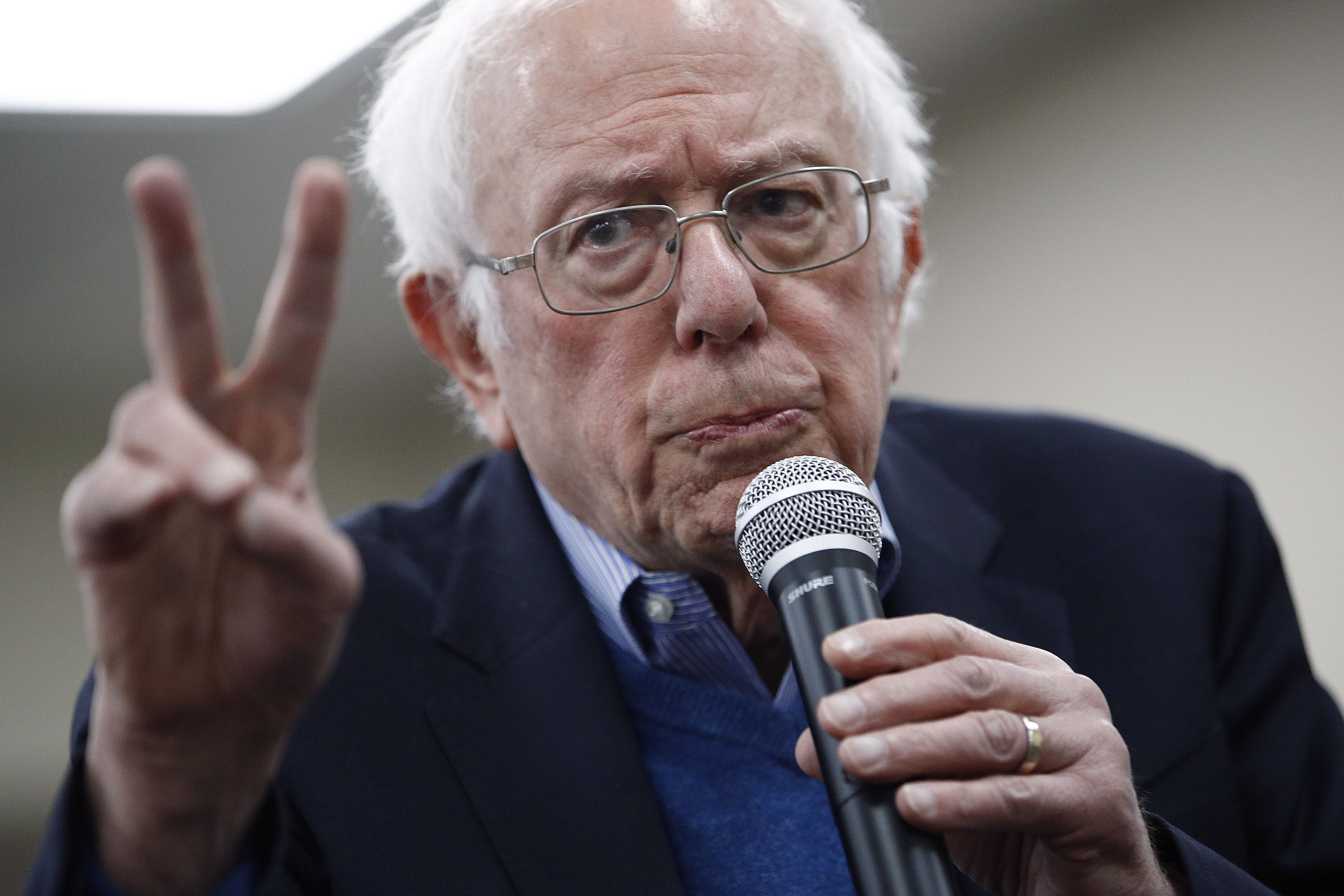
Senator Bernie Sanders has leveled sharp criticism at a nationwide private school voucher initiative, claiming the program is designed to cement a two-tier education system. The proposal, embedded within the Republican-led One Big Beautiful Bill Act, risks diverting $51 billion in annual taxpayer funds toward private institutions.
Critics Decry Federal Voucher Rules as 'Poison Pill' for Public Schools
The U.S. Treasury’s newly proposed regulations for the federal school choice program have ignited a firestorm of opposition, with critics labeling the initiative a strategic assault on public education. The plan, tied to the Education Freedom Tax Credit, faces intense scrutiny over its potential to redirect billions into private, unaccountable institutions.
Bitcoin Struggles Near $84,000 as Market Tests Key Overhead Supply
Bitcoin has pulled back toward $84,000 after hitting a session peak of $87,220, leaving traders to watch a critical concentration of overhead supply. Analysts at Bitfinex suggest that sustained market momentum now hinges on whether buying pressure can push the price decisively above the $86,500 threshold.

USPS Policy Changes Threaten Thousands of Mail-In Ballots
A new postal service initiative, Regional Transportation Optimization, is creating a logistical bottleneck that could disenfranchise tens of thousands of voters. By eliminating evening pickups at rural post offices, the policy ensures that ballots mailed on Election Day may arrive too late to be counted in final tallies.

Brickken CEO Warns Uneven AI Access Risks European Talent Drain
Edwin Mata, the CEO of Barcelona-based tokenization firm Brickken, warns that fragmented access to advanced AI tools like OpenAI’s products is forcing European startups to outsource their growth. He argues that even if companies keep their headquarters in the region, the most vital jobs and investments are increasingly migrating abroad.

Kraken Parent Payward in Talks with BNY for Crypto Infrastructure
Payward, the parent company of crypto exchange Kraken, has entered preliminary discussions with BNY to build a strategic partnership. The potential deal spans six key areas, including institutional crypto custody, payment rails, wealth management, and infrastructure services, according to sources familiar with the ongoing negotiations.
White House Delays Abortion Pill Restrictions to Avoid Election Fallout
The Trump administration is intentionally stalling efforts to restrict access to abortion pills until after the midterms, according to reports from The Washington Sun. While anti-abortion advocates have been assured that "the gloves will be off" once voting concludes, officials are suppressing aggressive action to avoid alienating key voters.

French Student Protests Escalate as Unions Prepare Nationwide Strike
With more than 560 schools shuttered across France on Friday, the government’s austerity measures have triggered a volatile standoff. While students rally against crumbling infrastructure and teacher shortages, the movement is now bracing for a broader labor intervention as unions mobilize for a national strike scheduled for October 6.

Utexo Sets October Launch for USDT on Bitcoin Network
Tether-backed Utexo is preparing an October mainnet launch to bring USDT back to the Bitcoin ecosystem. Utilizing the RGB protocol, the platform aims to enable private stablecoin transfers, direct BTC swaps, and Bitcoin-backed lending, marking a significant evolution in how assets interact with the primary blockchain ledger.
The Comstock Strategy: A Quiet Path to a National Abortion Ban
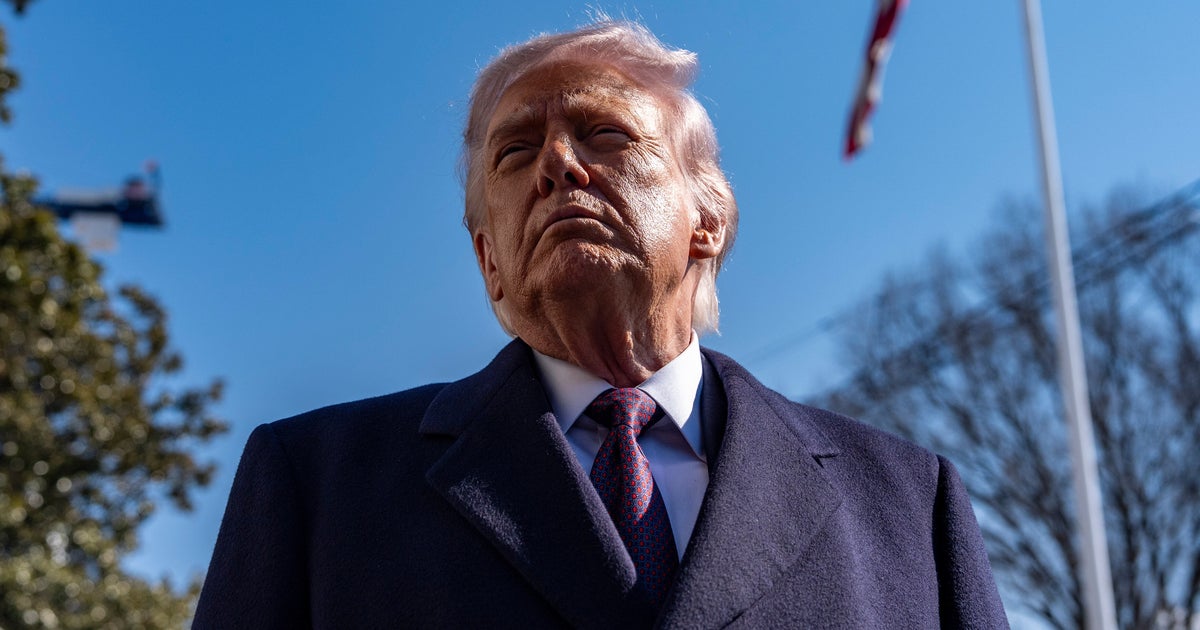
Jonathan Mitchell, the architect of Texas's bounty-style abortion law, is urging Donald Trump and his political allies to remain silent on reproductive rights until after the November election to avoid revealing a more aggressive, legally sophisticated plan to bypass Congress and restrict abortion access nationwide.

Blast to Shut Down Network as Operational Costs Outpace Revenue
The Blast Layer 2 network has announced plans to wind down operations, citing an inability to achieve financial sustainability. Citing maintenance expenses that now exceed generated revenue, the team behind the project is urging users to migrate their assets to the Ethereum mainnet before the October 26, 2026, deadline.