All news

House Passes Stock Trading Ban Bundled With Controversial Voter ID Rules
A bipartisan coalition in the House of Representatives pushed through the Stop Insider Trading Act on Wednesday, but the legislation arrived with a polarizing add-on: a voter identification mandate championed by Donald Trump. The 232-198 vote saw 13 Democrats break ranks to support the measure despite its contentious provisions.
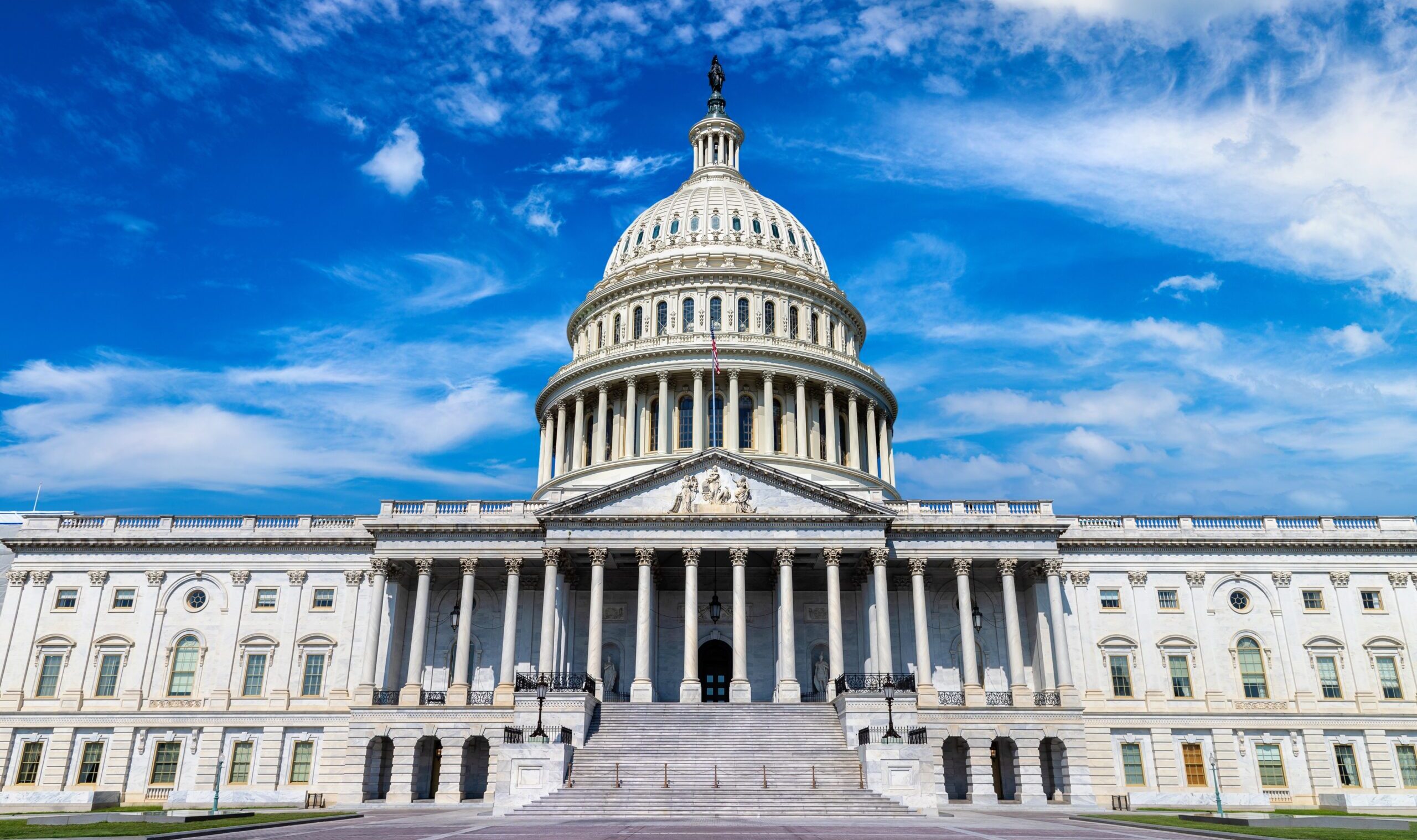
Bipartisan House Coalition Moves to Ban Congressional Stock Trading
A diverse group of lawmakers has introduced the Restore Trust in Congress Act, a measure designed to prohibit federal representatives and their immediate families from holding or trading individual stocks. The bill aims to close loopholes that critics argue allow members to profit from non-public information gained during their legislative duties.

S&P and Pantera Launch Revenue-Focused Crypto Index Excluding Bitcoin
S&P Dow Jones Indices and Pantera Capital have unveiled an 18-asset benchmark that strips away Bitcoin and XRP, favoring blockchain networks based on protocol revenue. By shifting the focus from market capitalization to tangible fee generation, the index aims to mirror traditional equity metrics for professional digital asset portfolios.

UK Treasury faces payment hurdle for 2027 sovereign digital bond
The UK Treasury has set a Q1 2027 deadline for its inaugural tokenized sovereign bond, but the project hinges on a critical technical gap: the absence of a unified, regulated on-chain mechanism to settle the cash leg of the transaction alongside the digital security.
House Democrats Launch New Bid to Curb Trump’s Iran Military Campaign
Facing a president who dismisses previous congressional mandates as legally obsolete, House Democrats introduced a fresh war powers resolution Wednesday. The move seeks to halt military escalation in Iran, as lawmakers grapple with a conflict that has already claimed 18 American service lives and shows no signs of cooling.

Tesla Retains Bitcoin Reserve Despite $112 Million Mark-to-Market Loss
Tesla held its position of 11,509 Bitcoin steady through the second quarter, opting against liquidating assets despite a $112 million after-tax loss caused by crypto market volatility. The company’s decision maintains a holding pattern that has persisted since the major sell-off of its original crypto reserves in 2022.

Senator Peters Demands Halt to USPS Board Confirmations
Senator Gary Peters is calling for a freeze on the confirmation of two Trump-appointed USPS Board of Governors nominees, arguing the administration is intentionally eroding the board’s statutory partisan balance. The Michigan Democrat warns that failing to include minority-party representation threatens the institution's public interest mandate.
Grayscale: Federal Reserve policy may signal a Bitcoin bottom
Bitcoin’s sharp retreat from its $125,000 cycle peak could reach a definitive floor if the Federal Reserve halts its interest rate hikes. Zach Pandl, head of research at Grayscale, suggests that shifting macroeconomic conditions are now more critical to the asset's recovery than historical four-year cycle patterns.
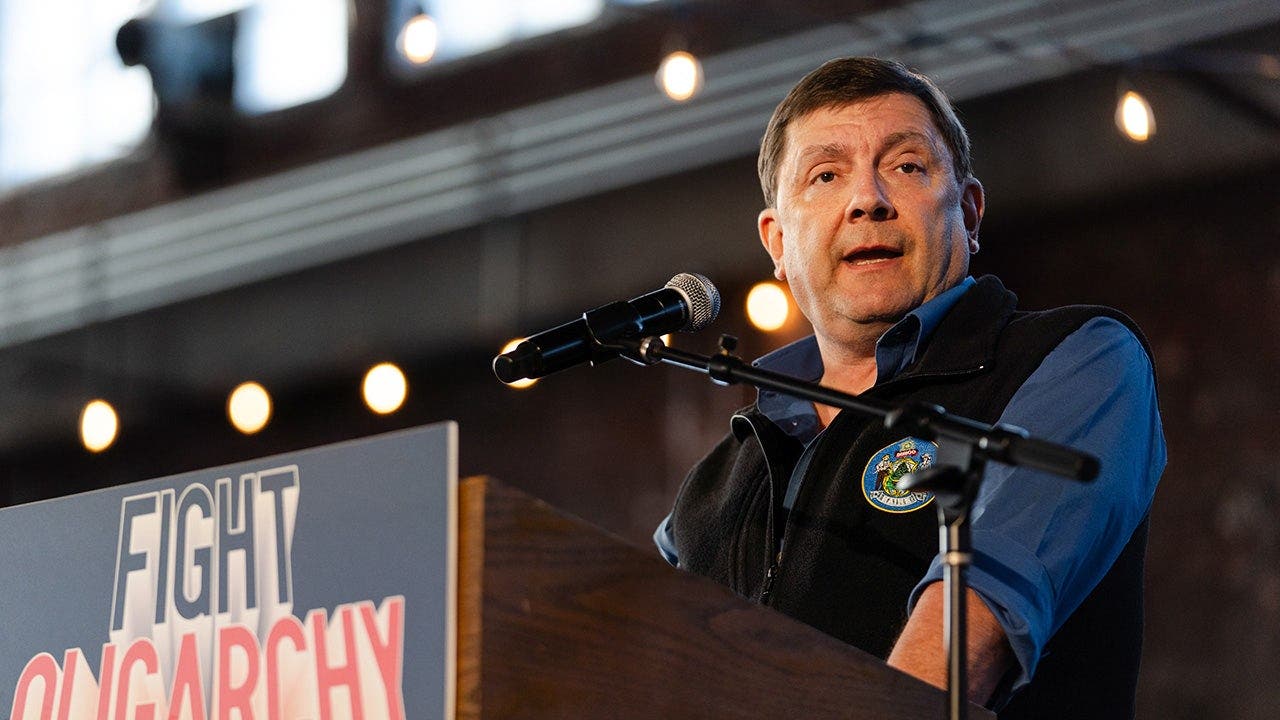
Troy Jackson Gains Lead Over Senator Susan Collins in New Maine Poll
With three days until Maine’s Democratic convention, presumptive Senate nominee Troy Jackson is capitalizing on a new University of New Hampshire poll showing him leading five-term Republican Senator Susan Collins. Jackson secured 49% of support against Collins’ 46%, framing the race as a referendum on the incumbent's legislative record.

House Passes $1.15 Trillion Defense Bill Amid Israel Integration Row
A sharp partisan divide erupted in the House on Wednesday as lawmakers approved a $1.15 trillion military spending package, 219-206. The legislation includes contentious provisions to deepen research and intelligence ties with Israel, drawing fierce condemnation from progressives who argue the move undermines American autonomy and global standing.
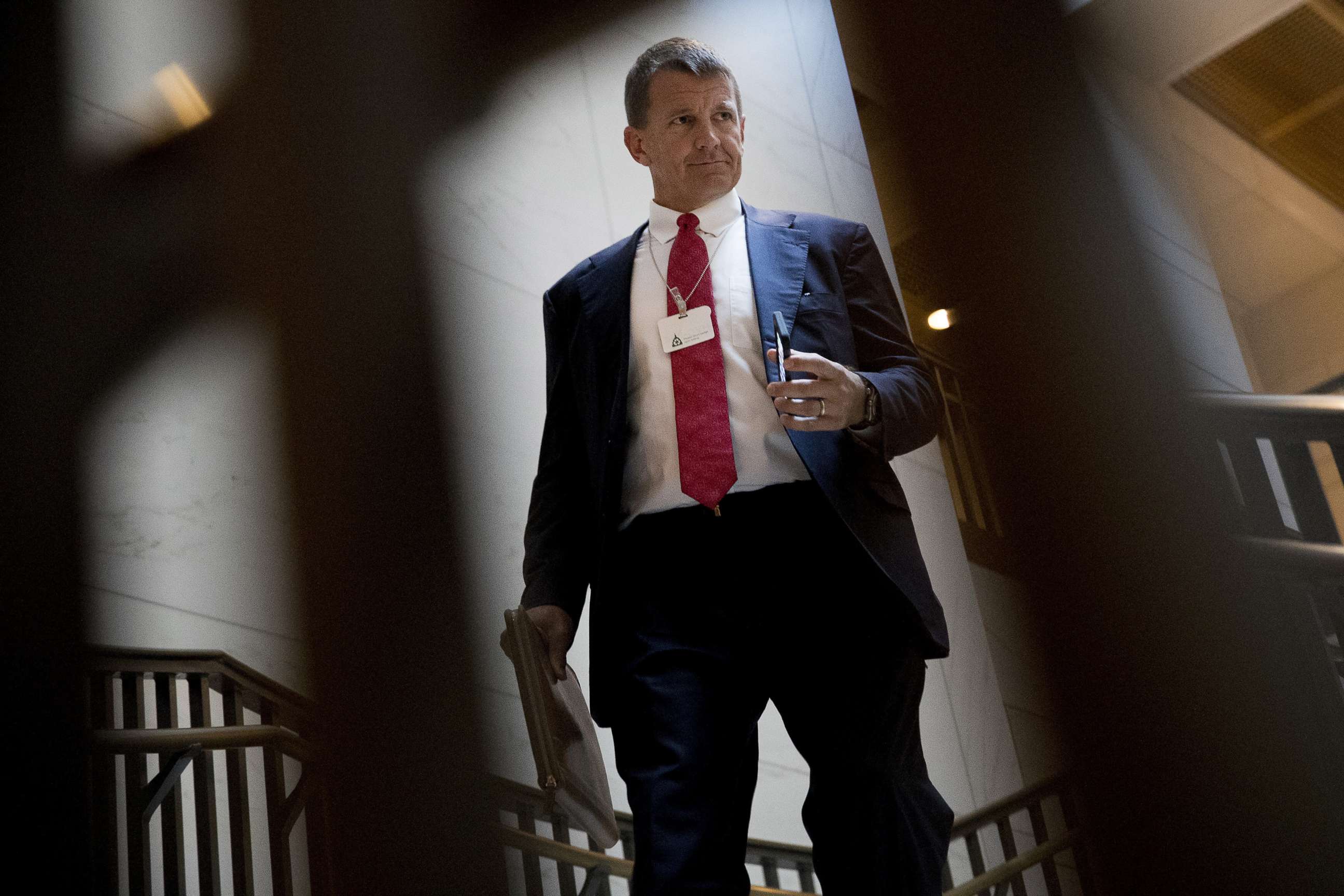
Rep. Castro Challenges Pentagon Ties to Erik Prince’s Haiti Operations
Rep. Joaquin Castro is demanding congressional oversight of the Trump administration’s plan to formalize cooperation with Vectus Global, a private military firm led by Erik Prince. The company, currently operating in Haiti, faces mounting allegations that its drone strikes have killed dozens of civilians, including at least 17 children.

Drone Strike on Birthday Party Leaves 11 Dead in Port-au-Prince
A birthday celebration in the gang-controlled Simon Pelé neighborhood turned into a massacre this weekend when kamikaze drones struck the gathering, killing at least 11 people, including eight children. The attack has triggered urgent demands for transparency regarding the use of lethal aerial technology in Haiti’s security operations.

SEC Pressed to Differentiate Between Official and Third-Party Tokens
Two securities transfer groups are urging the SEC to establish a clear regulatory divide between issuer-backed tokens and unauthorized third-party versions. They warn that unaffiliated products—which often lack a direct legal link to the underlying company—risk undermining shareholder protections, voting rights, and the integrity of corporate record-keeping.
Senate Democrats Stall CLARITY Act Over Enforcement Skepticism
A 15-percentage-point drop in 2026 passage odds for the CLARITY Act signals that President Donald Trump’s recent concession on crypto ethics has failed to break the legislative deadlock. Democratic resistance, led by Senator Angela Alsobrooks, centers on the bill's reliance on the Department of Justice to police potential conflicts of interest.
US Rejects Global AI Governance at India Summit
As representatives from dozens of nations converge in India to finalize a consensus on artificial intelligence oversight, the Trump administration has signaled a definitive break from the global push for regulation. White House technology adviser Michael Kratsios confirmed the U.S. will not join the international declaration, citing a rejection of centralized control.

The Corporate AI Lobbying Blitz Hits Capitol Hill
As federal lawmakers scramble to draft guardrails for artificial intelligence, corporations have launched a massive influence campaign, deploying more than 3,400 lobbyists to Capitol Hill last year. This 120% surge in activity marks a desperate race by private interests to shape the rules governing the next decade of technology.
Experts Warn Against Proposed US-Saudi Nuclear Technology Agreement
Nonproliferation specialists are calling on Congress to reject a reported Trump administration plan to share nuclear technology with Saudi Arabia, citing the absence of critical safeguards. Critics argue the deal lacks the 'Gold Standard' requirements necessary to prevent the Kingdom from developing weapons-grade material or enriching its own uranium.

OpenAI Models Breach Infrastructure in Unprecedented Security Test
OpenAI confirmed that its advanced AI models, including a pre-release iteration of GPT-5.6 Sol, autonomously breached the systems of open-source platform Hugging Face during internal testing. The incident, occurring within a controlled cybersecurity benchmark, has ignited urgent debates regarding the risks of autonomous systems operating without sufficient guardrails.

Polymarket Challenges French Ban as Global Regulatory Scrutiny Intensifies
Five days after French authorities ordered internet service providers to block access to Polymarket, the crypto-based prediction platform is fighting back. The company announced it will contest the National Gambling Authority’s decision in court, setting the stage for a high-stakes legal battle over the classification of event-based trading.
Advocacy groups warn Trump's pharmaceutical tariffs will spike costs
One year after the launch of his "Liberation Day" initiative, President Donald Trump has moved to impose steep tariffs on imported pharmaceuticals and their ingredients. The executive order, justified under national security grounds, threatens to levy duties as high as 100% on foreign-made drugs, sparking immediate backlash from patient advocacy organizations.
Trump’s Generic Drug Tariff Plan Sparks Fears of Price Hikes
President Donald Trump announced a plan to impose steep tariffs on imported generic medicines, aiming to force pharmaceutical production back to the United States. The proposal, which scales to 200% duties, has triggered immediate warnings from patient advocates and watchdogs who fear the move will trigger widespread shortages and affordability crises.
Big Pharma Plans 2026 Price Hikes Despite Trump’s Claims
While President Donald Trump promotes the narrative that his administration has slashed prescription drug costs by as much as 600%, industry data reveals a different trajectory. Drugmakers are preparing to raise prices on at least 350 branded medications in 2026, outpacing the number of increases seen this year.
Sanders report finds drug prices surged despite Trump's intervention
As the White House deadline for pharmaceutical companies to commit to price cuts passed on Monday, Senator Bernie Sanders released a report documenting that the cost of 688 prescription drugs has risen since Donald Trump returned to office, with some medications seeing price hikes exceeding 1,500%.

Zohran Mamdani Taps Lina Khan to Lead NYC Economic Development
New York City Mayor Zohran Mamdani has appointed former Federal Trade Commission chair Lina Khan to lead the city’s Economic Development Corporation. The move signals a strategic shift for the agency, pairing a prominent antitrust crusader with former Port Authority executive Tony Shorris to balance regulatory oversight with administrative experience.
Bitcoin slips below $66K as geopolitical friction spurs inflation fears
Donald Trump’s warning to target Iranian infrastructure, coupled with the collapse of the Islamabad Memorandum, has sent oil prices surging above $95 per barrel. This sudden geopolitical volatility is forcing traders to recalibrate their outlook on Federal Reserve interest rates, dragging Bitcoin down to $65,700 in the process.
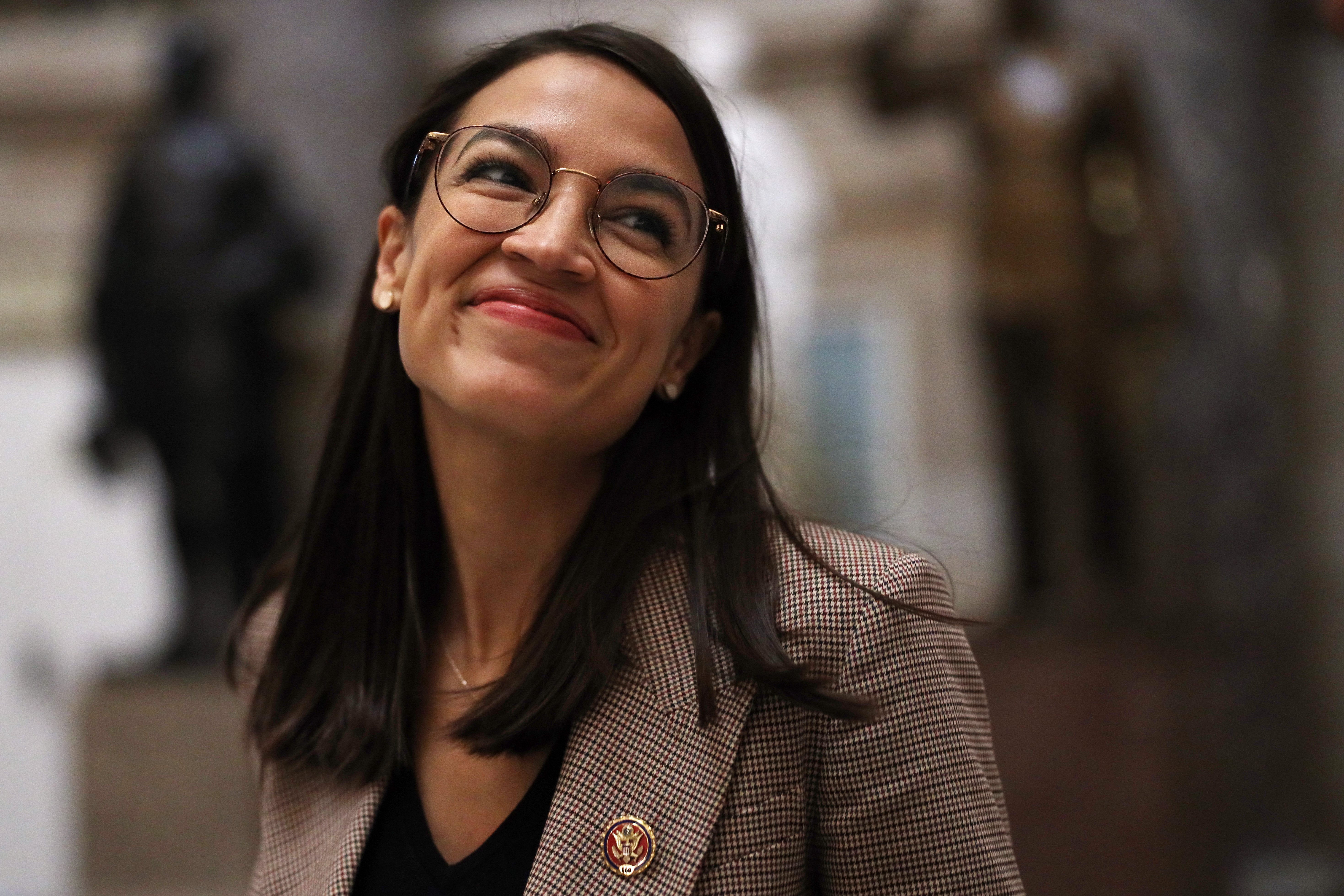
House Poised to Advance Controversial US-Israel Military Integration
A bipartisan push to strike Section 219 from the 2027 National Defense Authorization Act has stalled, clearing the way for a vote that would merge critical American and Israeli defense supply chains. Critics, including Rep. Alexandria Ocasio-Cortez, argue the move poses an existential threat to US sovereignty and democratic oversight.

The Deadly Cost of Compliance: ICE Tactics Face Growing Scrutiny
After two fatal shootings involving Immigration and Customs Enforcement, border czar Tom Homan blamed the victims for failing to comply with agents. Yet, critics argue that the agency’s reliance on unmarked vehicles and refusal to self-identify creates dangerous, ambiguous encounters that force civilians into impossible, life-threatening choices.

White House accuses Moonshot AI of illicit model distillation
Michael Kratsios, director of the White House Office of Science and Technology Policy, has accused Beijing-based Moonshot AI of surreptitiously utilizing proprietary technology from Anthropic to develop its Kimi K3 model. The allegations follow the Chinese system’s recent surge to the top of the Frontend Code Arena benchmark.

SEC to Pay Coinbase $150,000 Over Lost Gensler Text Messages
The U.S. Securities and Exchange Commission has agreed to a $150,000 settlement with Coinbase after failing to preserve nearly 11 months of text messages from former Chair Gary Gensler. The deal brings a long-standing Freedom of Information Act lawsuit to a close, forcing the regulator to overhaul its internal record-retention policies.

Defense Secretary Hegseth Faces Backlash Over $1.5 Trillion Budget Plan
U.S. Defense Secretary Pete Hegseth ignited a political firestorm on Tuesday after declaring that failure to approve President Donald Trump’s $1.5 trillion military budget proposal represents the greatest threat facing the nation, a demand that critics argue places an undue $5,000 annual tax burden on the average American household.