All news
KSNet and Solana Foundation Partner to Test Blockchain Payments in Korea
South Korean payment processor KSNet has signed a memorandum of understanding with the Solana Foundation to trial blockchain-based transaction systems. The collaboration aims to integrate Solana Pay into existing merchant networks while exploring AI-driven payment models that bypass traditional credit card authentication hurdles.

NEAR Protocol launches staking-based payments for AI services
Users can now access 43 artificial intelligence models on NEAR Protocol without a credit card by locking NEAR tokens to generate compute credits. This system allows developers and individuals to run confidential inference and autonomous agents, keeping their capital intact while avoiding traditional subscription-based billing cycles.

Crypto Treasuries Pivot to AI Data Center Funding
Quantum Solutions and Hyperscale Data have begun liquidating significant portions of their digital asset treasuries to finance AI infrastructure. The shift marks a tactical departure from passive holding, as firms increasingly treat Bitcoin and Ethereum as primary capital sources for physical data center expansion.

Swan Treasury suffers $625,000 loss after signer key leak
A critical security breach on the BNB Chain has left Swan Treasury short $625,000 after attackers obtained the protocol’s off-chain signer key. By exploiting this leaked credential, bad actors bypassed purchase restrictions to acquire STY tokens at a 100-fold discount before dumping them into liquidity pools for profit.

Bitcoin Miners Pivot to AI as Network Contraction Deepens
Bitcoin mining is enduring one of its most significant contractions in the ASIC era, with network difficulty plunging 19.9% from its peak. While miners struggle with compressed margins and a reduced block subsidy, listed operators are increasingly pivoting toward lucrative artificial intelligence and data-center contracts to maintain valuation.
Senate Republicans Shield Trump From IRS Tax Audit Immunity Repeal
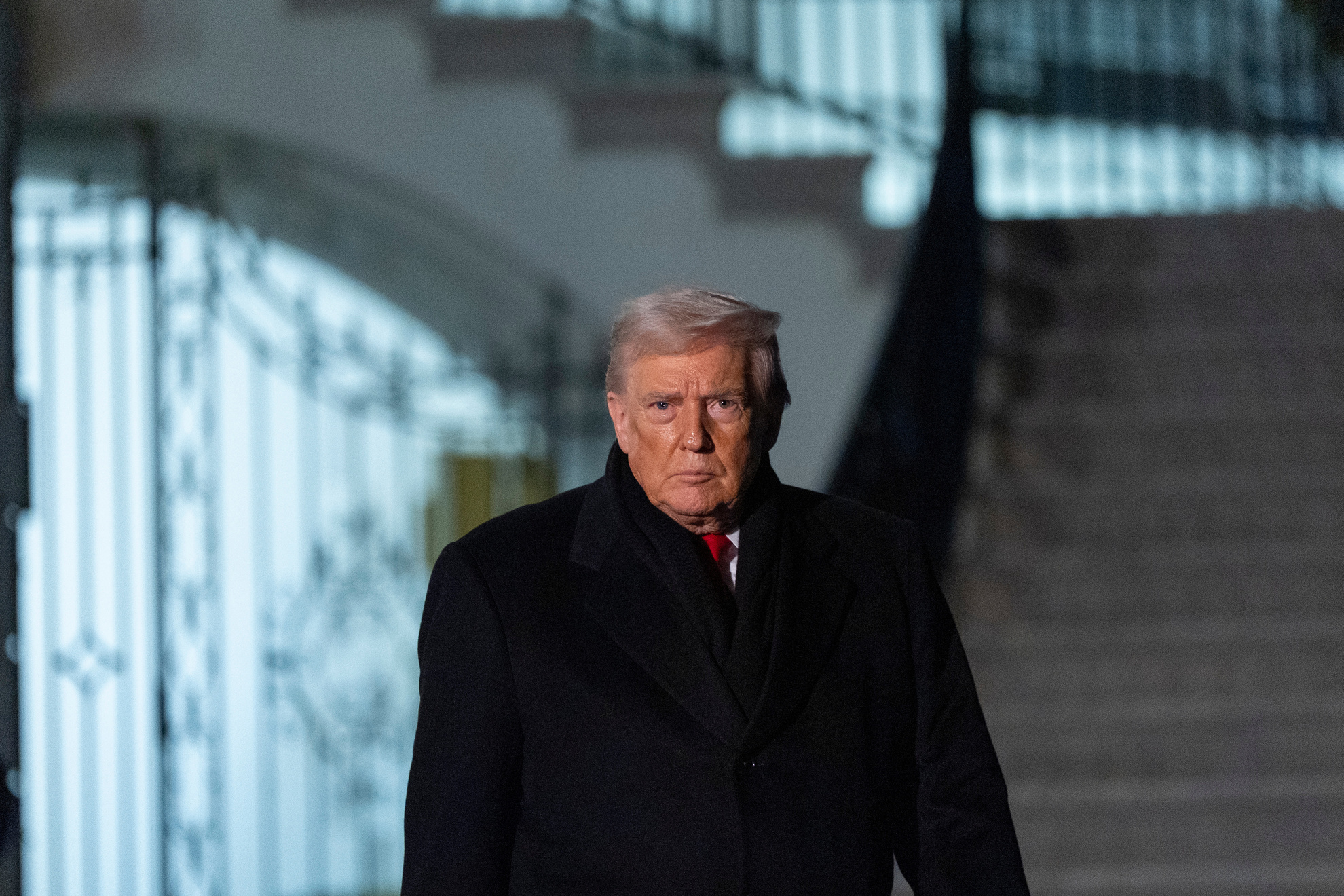
Senate Republicans on Thursday blocked a Democratic effort to strip President Donald Trump of broad tax audit immunity, effectively protecting a controversial settlement deal that prevents the IRS from investigating the president’s past financial filings and those of his family members and business associates.

Bitcoin Price Stagnates After $9.6 Billion Options Expiry
A massive monthly options settlement involving $10.43 billion in combined Bitcoin and Ether contracts failed to catalyze a market breakout, leaving Bitcoin anchored near its $64,000 maximum pain level. Despite heavy call-side positioning, the expiry passed with little immediate impact on the prevailing trading range.

New York Targets Kalshi in $36 Billion Gambling Lawsuit
New York state officials have launched a sweeping legal offensive against prediction market platform Kalshi, seeking to halt its operations and recover at least $36 billion in penalties. The lawsuit accuses the company of bypassing state licensing requirements and allowing minors to participate in high-risk, unlicensed gambling activities.

AFX to Unveil Recovery Plan Following $24.15 Million Social Engineering Hack
A social engineering campaign targeting a single developer’s workstation allowed attackers to siphon $24.15 million from the AFX bridge, prompting the decentralized protocol to schedule a goodwill recovery plan for Aug. 3. The breach bypassed smart contract security by compromising internal validator nodes through trusted management software.

South Korea Launches 20 Trillion Won AI Sovereign Investment Account
South Korea is set to pivot its sovereign wealth strategy by establishing a 20 trillion won investment account dedicated to artificial intelligence and strategic domestic industries. This move marks a historic shift for the Korea Investment Corporation, which will now be permitted to deploy capital into local assets.

Senate negotiators propose state-level enforcement for CLARITY Act
A standoff over ethics enforcement has stalled the Digital Asset Market Clarity Act, prompting Senators Thom Tillis and Ruben Gallego to offer the White House a compromise: shifting oversight power from the Department of Justice to state authorities to break the legislative deadlock before the August recess.

NatWest Wealth Profit Climbs Following Evelyn Partners Integration
NatWest Group’s private banking and wealth management division posted an operating profit of £212 million for the first half of the year, a marked rise from the £179 million recorded during the same period in 2023, as the bank aggressively pivots toward fee-based income streams.
Institutional Investors Narrow Focus as Altcoin Market Fragments
Institutional investors accounted for a record 72% of spot over-the-counter flow on Wintermute’s desk during the first half of 2026, signaling a shift toward a more concentrated market. This growing dominance suggests that future altcoin rallies may depend on a smaller group of assets rather than a broad-based market surge.

Wealth planning in the shadow of UK tax reform
As speculation mounts over potential tax shifts under the new government, high-net-worth individuals are facing a period of intense policy uncertainty. Nick Ritchie of RBC Wealth Management warns that while the temptation to react is strong, the most effective strategies rely on long-term planning rather than sudden financial maneuvers.

New York’s Property Data Release Sparks Privacy Backlash
New York City’s publication of a massive property database to support a new pied-à-terre tax has triggered accusations of doxxing. While officials frame the release as a transparency measure, critics argue that aggregating sensitive ownership data—including names and addresses—creates significant security risks for high-net-worth individuals and lacks necessary oversight.

CaixaBank Overhauls Wealth Division Structure
With over €200 billion in assets under management, the Valencia-based banking giant is restructuring its wealth and asset management units to sharpen its advisory focus. The shake-up includes a leadership transition for the wealth division and a direct reporting line for its asset management arm to the retail banking head.

RBC Wealth Management Targets European Expansion With 70 New Hires
RBC Wealth Management plans to recruit over 70 client-facing advisors across the UK, Jersey, and the Republic of Ireland by the end of 2027. This aggressive hiring drive serves as the latest pillar in the firm’s strategy to solidify its presence in Europe following the major acquisition of Brewin Dolphin.
Beyond Hype: Eight Crypto Projects Built on Tangible Utility
Investors weary of the last cycle’s empty promises are shifting their focus toward infrastructure that actually functions. Rather than betting on speculative narratives, the current market is prioritizing projects with verifiable on-chain activity, measurable adoption, and token models directly tied to real-world utility.

Upbit Adds CFX as Conflux Gains Korean Market Access
South Korean exchange Upbit opened trading for the Conflux CFX token on July 31, granting the asset direct access to the won, Bitcoin, and Tether markets. The listing marks a strategic expansion for the blockchain, though the exchange implemented strict initial trading controls to manage volatility.
Bhutan Taps 3iQ to Manage Gelephu’s Bitcoin Treasury
Gelephu Mindfulness City has appointed Canadian firm 3iQ to oversee an undisclosed portion of its Bitcoin treasury, marking the first major step in deploying the nation’s 10,000 BTC reserve. The partnership aims to fuel long-term development in Bhutan’s special administrative region through professional asset management.

World Cup Prediction Markets Hit $20 Billion in Blockchain Volume
The 2026 FIFA World Cup served as a massive stress test for decentralized finance, driving $20 billion in prediction-market volume between January and the tournament’s conclusion. Chainalysis data reveals that activity peaked during the final match, with over 400,000 unique wallets participating in event-based betting contracts.

Quantum Solutions Sheds 1,000 ETH to Fuel AI Data Center Expansion
Tokyo-listed Quantum Solutions has offloaded 1,000 Ethereum for $1.9 million, marking the company’s second major liquidation this summer. The move, executed by subsidiary GPT Pals Studio Limited, signals a decisive pivot toward funding infrastructure for the firm's growing artificial intelligence data center business through October 2026.
Schumer bill targets Trump’s $1.4B crypto revenue
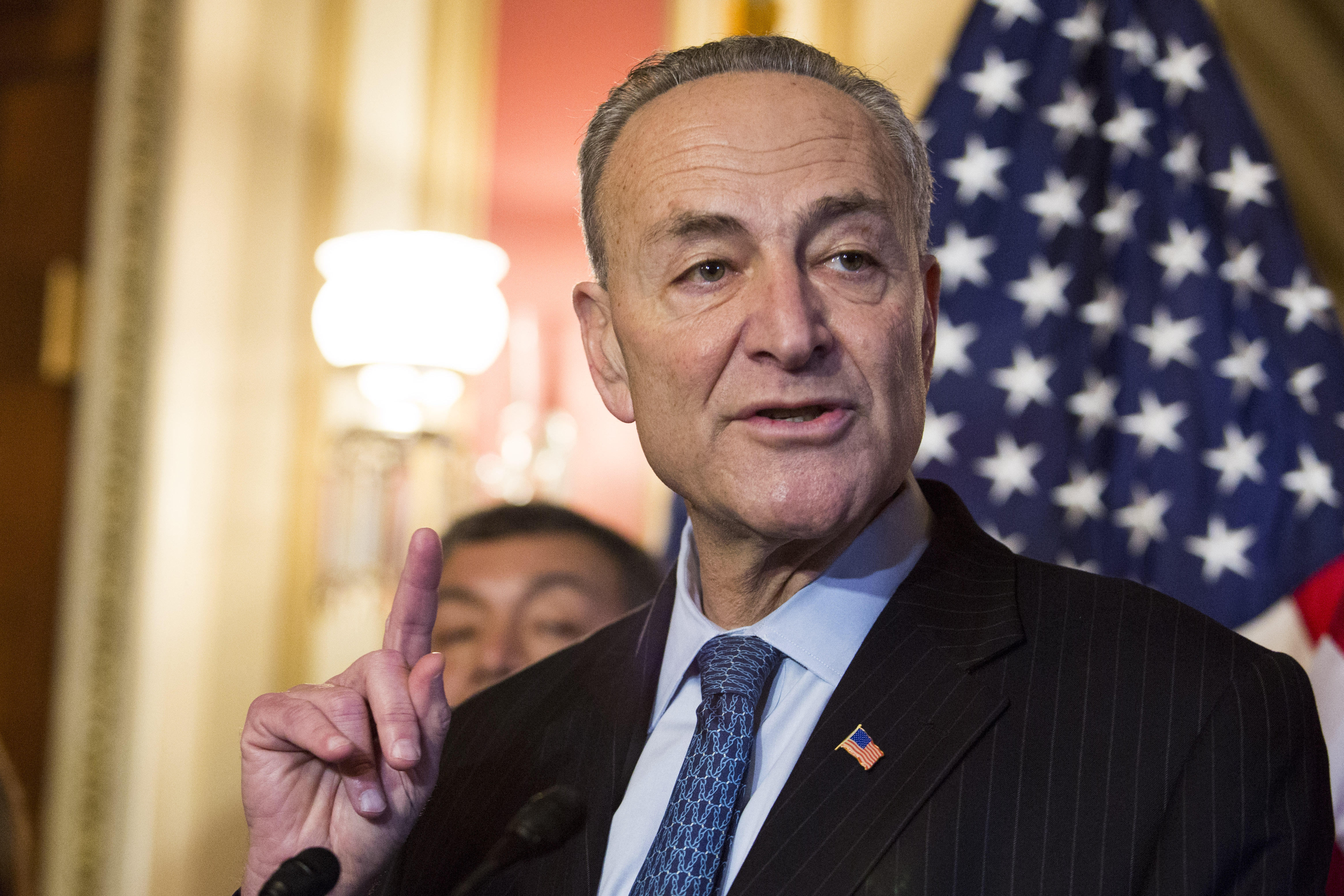
Senate Minority Leader Chuck Schumer has introduced legislation to establish a federal agency tasked with investigating executive-branch corruption, a direct response to President Donald Trump’s 2025 financial disclosures. The filings reveal that Trump generated over $1.4 billion from crypto-related ventures alone, sparking intense debate over potential conflicts of interest.
Canary Capital Renews Marketing for HBAR ETF Amid Sharp Price Declines
With net assets hovering near $47.8 million, the Canary HBAR ETF remains a niche player in the U.S. crypto market. Despite a recent push by Canary Capital to spotlight the fund’s role in enterprise tokenization, the product faces a difficult year, with market-price returns down over 37% since January.
DeFi suffers $43.4 billion contraction as H1 market sentiment sours
A sharp decline in decentralized finance liquidity during the first half of 2026 erased $43.4 billion in total value locked, marking a broad-based contraction rather than a shift in capital. According to Binance Research, major Layer 1 networks saw valuations tumble by 42% as security incidents and waning activity weighed on the ecosystem.

Coinkite Urges Coldcard Mk3 Users to Migrate Amid Security Concerns
Nearly 600 Bitcoin worth $38 million vanished in a rapid, coordinated sweep, prompting hardware manufacturer Coinkite to issue an urgent warning. The company advised Coldcard Mk3 owners to move funds if their seed phrases were generated using firmware versions 4.0.1 through 5.0.3, citing potential vulnerabilities in key generation.
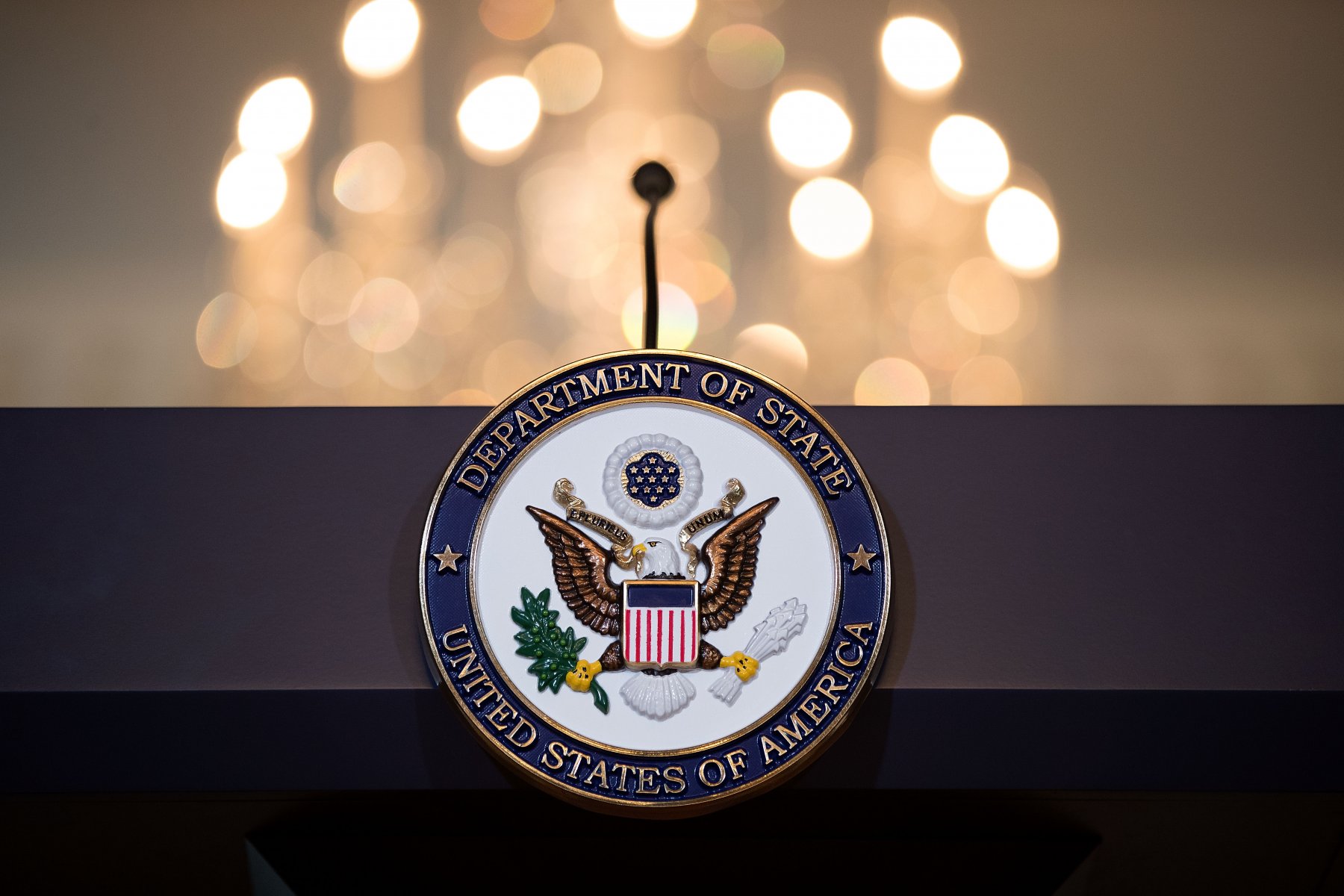
State Department Blasted for AI-Generated Map Mislabeling African Nations
A US Department of State presentation at the AIDS 2026 conference in Rio de Janeiro sparked global outrage Thursday after displaying an AI-generated map that mislabeled every African nation included. The blunder, identified by an OpenAI watermark, drew sharp rebukes from lawmakers and former diplomats as a symptom of hollowed-out institutional expertise.

US Health Aid to Africa Hinges on Coercive New Terms
The Trump administration is leveraging critical health assistance to extract concessions from African nations, according to a report from Human Rights Watch. The findings detail how restorative funding is being conditioned on the surrender of sensitive patient data and the acceptance of invasive surveillance measures by recipient governments.

Critics Decry US Bilateral Health Deals With African Nations
Public health advocates are sounding the alarm over new US health agreements with African nations, arguing the terms coerce vulnerable countries into sharing vital pathogen data without guaranteeing fair access to the resulting medical treatments, vaccines, or other life-saving benefits developed from their own biological samples.

Thousands of Migrant Children Face Court Without Legal Counsel
Starting Friday, approximately 20,000 unaccompanied minors in the United States could lose their legal representation as federal funding contracts expire. The Trump administration’s decision to withhold over $65 million in congressionally appropriated funds leaves these vulnerable children to navigate complex deportation proceedings entirely on their own.