Newsroom

Israel Confirms Gaza Land Grab as Displacement Intensifies
Defense Minister Israel Katz confirmed Wednesday that Israeli forces are seizing large swaths of the Gaza Strip to establish permanent security zones, a strategy that aligns with long-standing ministerial plans for the recolonization of the territory while displacing tens of thousands more civilians.

Israeli Officials Rally to Call for Gaza Resettlement
Hundreds of Israelis, including senior government ministers, gathered near the Gaza border this Sunday for a two-day rally centered on a singular, aggressive objective: the ethnic cleansing of Palestinians from the coastal enclave to facilitate the return of Jewish settlers to the territory.

Israel Approves Bureau to Facilitate Gaza Displacement
Israel’s Security Cabinet authorized a new Defense Ministry directorate this Sunday tasked with orchestrating the removal of Palestinians from the Gaza Strip. Defense Minister Israel Katz framed the agency as a bureau for "voluntary emigration," though the move drew immediate condemnation from international observers and human rights advocates.
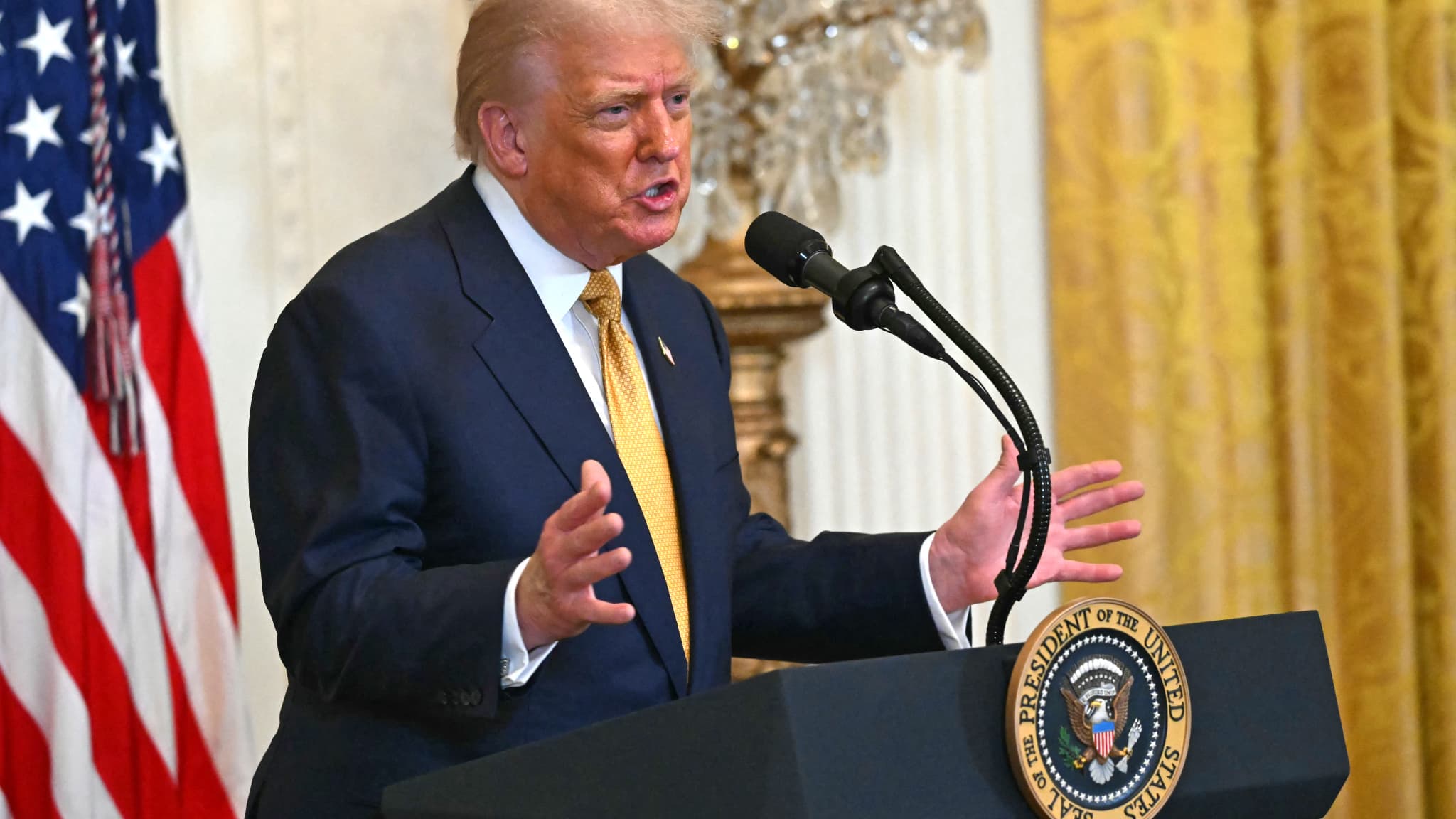
Palestinians Reject Trump Plan for Gaza Takeover
U.S. President Donald Trump has proposed a full-scale American takeover of the Gaza Strip, suggesting the territory be cleared of its Palestinian population to make way for new development. The proposal, framed as building a 'Riviera of the Middle East,' has been met with immediate condemnation and defiance from Palestinians.
Israeli Defense Minister Vows to Complete Gaza Depopulation Plan
Amid a nominal ceasefire, Israeli Defense Minister Israel Katz pledged on Wednesday to "finish the job" of depopulating the Gaza Strip. The statement, framed as a precursor to a migration plan, drew immediate condemnation from human rights advocates who characterize the objective as an act of systemic ethnic cleansing.
Israeli Defense Minister Retreats After Vowing to Resettle Gaza
Israeli Defense Minister Israel Katz triggered a swift diplomatic backlash Tuesday by declaring that the military would never leave the Gaza Strip and aimed to reestablish Jewish settlements there, only to issue a formal clarification hours later claiming his remarks were intended solely within a security context.
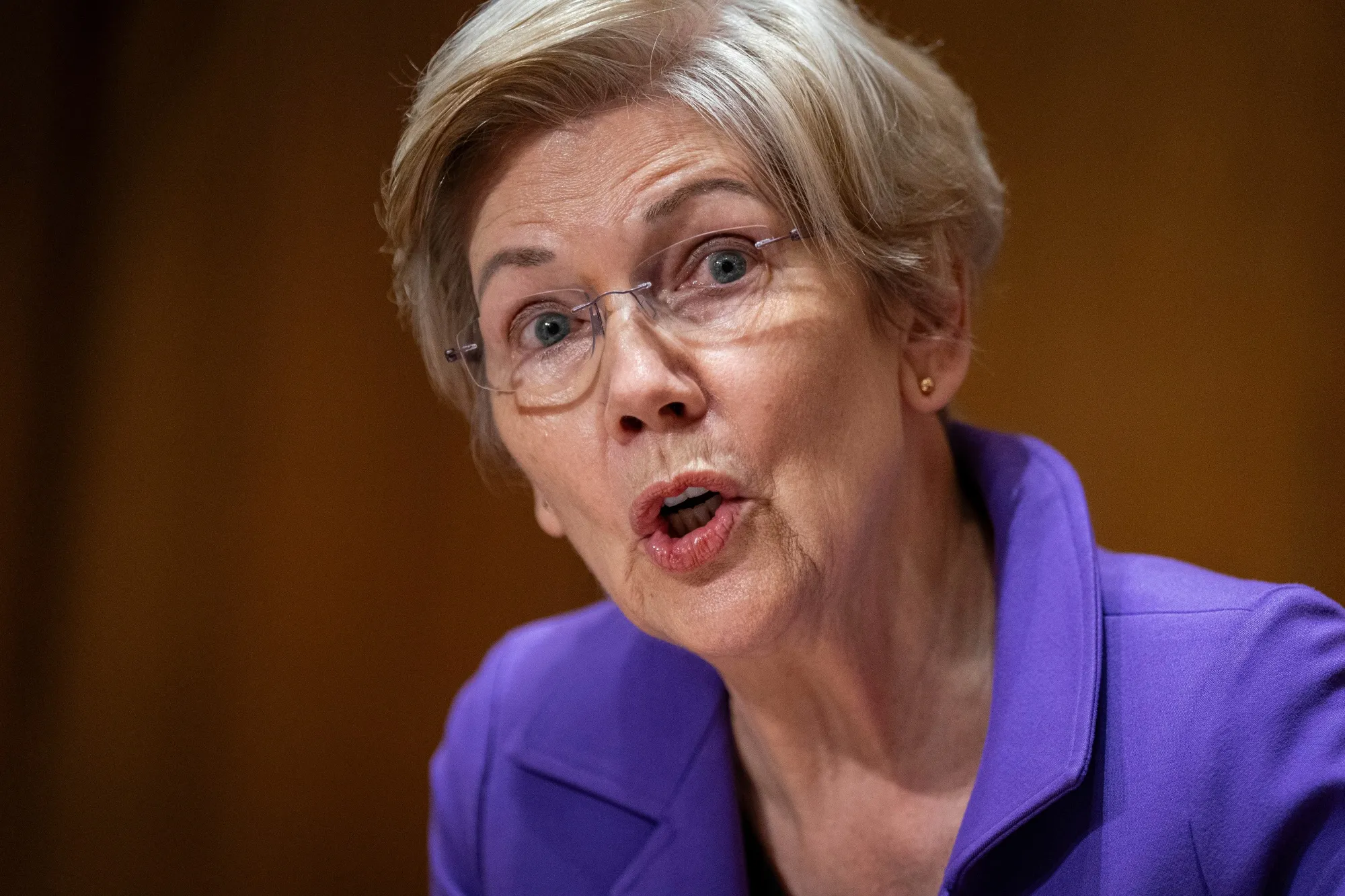
Democratic Lawmakers Propose Federal Ban on Corporate Medical Ownership
Patients want to know their health decisions are made by doctors, not Wall Street investors. With that rallying cry, a group of six Democratic lawmakers introduced the Stop Corporate Takeovers of Physicians Act on Wednesday, aiming to dismantle the influence of private equity firms over American medical practices.

Big Oil Channels War Profits Into Record-Breaking Ad Blitz
Fossil fuel giants are reinvesting a surge of war-time profits into an aggressive global propaganda campaign. A new analysis reveals that oil companies signed 1,321 advertising and PR contracts between 2025 and 2026, the highest volume recorded since tracking began, effectively using revenue from the Iran conflict to fund their public image.
Mass Deportations Are Driving Up Consumer Prices and Stifling Growth
The Trump administration positions mass deportation as a catalyst for US-born worker prosperity, yet new evidence suggests the policy is backfiring. A joint analysis from the ACLU and AFL-CIO details how aggressive immigration enforcement is actively suppressing wages, fueling labor shortages, and inflating costs for essential goods.
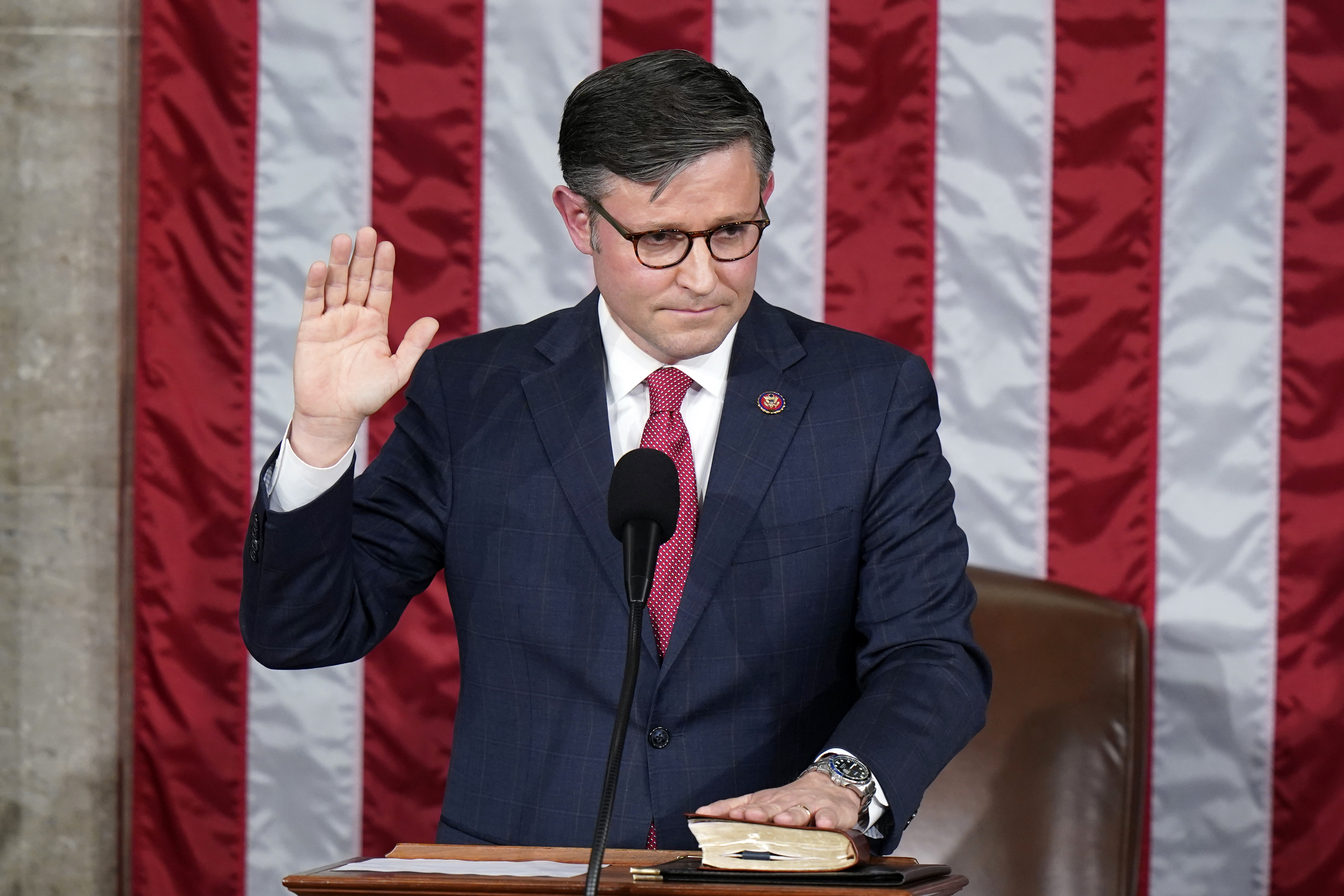
House Adjourns Early as Impeachment Push Against Hegseth Stalls
House Speaker Mike Johnson dismissed lawmakers for a seven-week recess a day ahead of schedule, effectively shelving a privileged impeachment resolution against Defense Secretary Pete Hegseth. The surprise adjournment comes just as Representative Thomas Massie moved to force a floor vote over allegations of illegal military strikes.
Global Environmental Defenders Face Rising Violence and Declining Aid
At least 124 environmental and land defenders were killed in 2025, a toll emerging as global authoritarianism intensifies and critical foreign development aid plummets by 23%. A new Global Witness report identifies the dismantling of U.S. humanitarian institutions as a primary driver of this worsening climate for activists worldwide.

Nearly 200 Environmental Defenders Murdered in 2023
The global cost of protecting natural resources reached a grim milestone last year, with 196 environmental activists killed while defending their communities and land. According to a new report from Global Witness, these deaths bring the total number of recorded killings to over 2,100 since 2012.

Environmental Activists Face Deadly Price for Protecting Natural Resources
At least 146 people were killed or disappeared last year for defending land and environmental rights, according to a new report by Global Witness. The findings underscore a global crisis where those protecting forests, rivers, and ecosystems are frequently targeted with lethal violence rather than respected for their work.

Half a century of ice loss: Greenland and Antarctica's vanishing mass
Since the 1970s, the world’s two primary ice sheets have shed 11.3 trillion metric tons of ice into the oceans. This staggering volume, enough to bury the continental United States under five feet of ice, highlights a half-century of accelerating planetary warming that now drives nearly a quarter of global sea-level rise.

Climate-Vulnerable Nations Trapped in Debt-Disaster Cycle
Countries most susceptible to climate catastrophe are spending nearly 25 times more on debt servicing than on protecting their citizens from environmental collapse. A new report from ActionAid International highlights how this financial imbalance locks developing nations into a cycle of borrowing to recover from disasters.

Bipartisan House Coalition Demands Urgent AI Regulation
A bipartisan group of U.S. representatives is challenging congressional leadership to move beyond industry-led self-governance, calling for immediate legislative action to secure critical infrastructure against the risks of autonomous artificial intelligence. The move signals an intensifying rift between rank-and-file lawmakers and the current administration’s hands-off approach.

Oxfam: Israel Continues to Block Essential Aid 100 Days Into Ceasefire
One hundred days after a ceasefire agreement was reached, the Israeli government continues to restrict humanitarian access to Gaza, leaving aid groups unable to provide adequate water to a population already devastated by infrastructure collapse and severe winter storms.

Musicians abandon Ed Sheeran tour in protest of Macklemore’s removal
A wave of artists has exited Ed Sheeran’s concert tour following the forced removal of rapper Macklemore, a move orchestrated by NFL venue owners after the rapper voiced support for Palestine. The controversy has ignited a broader debate over corporate censorship and the political responsibilities of major pop stars.

US Public Sympathy Shifts Toward Palestinians in Historic Gallup Poll
For the first time since Gallup began tracking Middle East sentiment in 2001, more Americans express sympathy for Palestinians than for Israelis. The latest survey shows 41% of respondents siding with Palestinians compared to 36% with Israelis, marking a definitive end to two decades of consistent pro-Israel leads in public opinion.

Gaza Building Collapse Kills 21 as Housing Crisis Reaches Breaking Point
An apartment building in Gaza City collapsed early Wednesday morning, killing at least 21 people—including eight children—as the structure succumbed to structural damage sustained during prolonged bombardment. Dozens remain trapped beneath the debris, with rescue operations hindered by a severe lack of heavy machinery and essential equipment.

El-Sayed Labels Rival Mike Rogers a Coward for Skipping Detroit Town Hall
Democratic U.S. Senate candidate Abdul El-Sayed took aim at his Republican opponent, Mike Rogers, after the former congressman declined to appear at a Fox 2 Detroit town hall event on Tuesday, fueling tensions ahead of their scheduled debates next month.

Public Anxiety Over AI Deepens as Lawmakers Allege Industry Corruption
With 63% of Americans fearing that artificial intelligence poses an existential threat to humanity, a new political divide is hardening in Washington. While voters demand stricter oversight, lawmakers are increasingly framing the lack of regulation not as legislative inertia, but as a deliberate bargain between tech oligarchs and the Trump administration.

ICJ Orders Israel to Halt Rafah Offensive Amid Humanitarian Crisis
The International Court of Justice ordered Israel on Friday to immediately cease its military offensive in Rafah, citing a failure to protect civilian life. The court’s president, Judge Nawaf Salam, stated that Israel’s current measures are insufficient to mitigate the immense risks facing the population in the Gaza Strip.
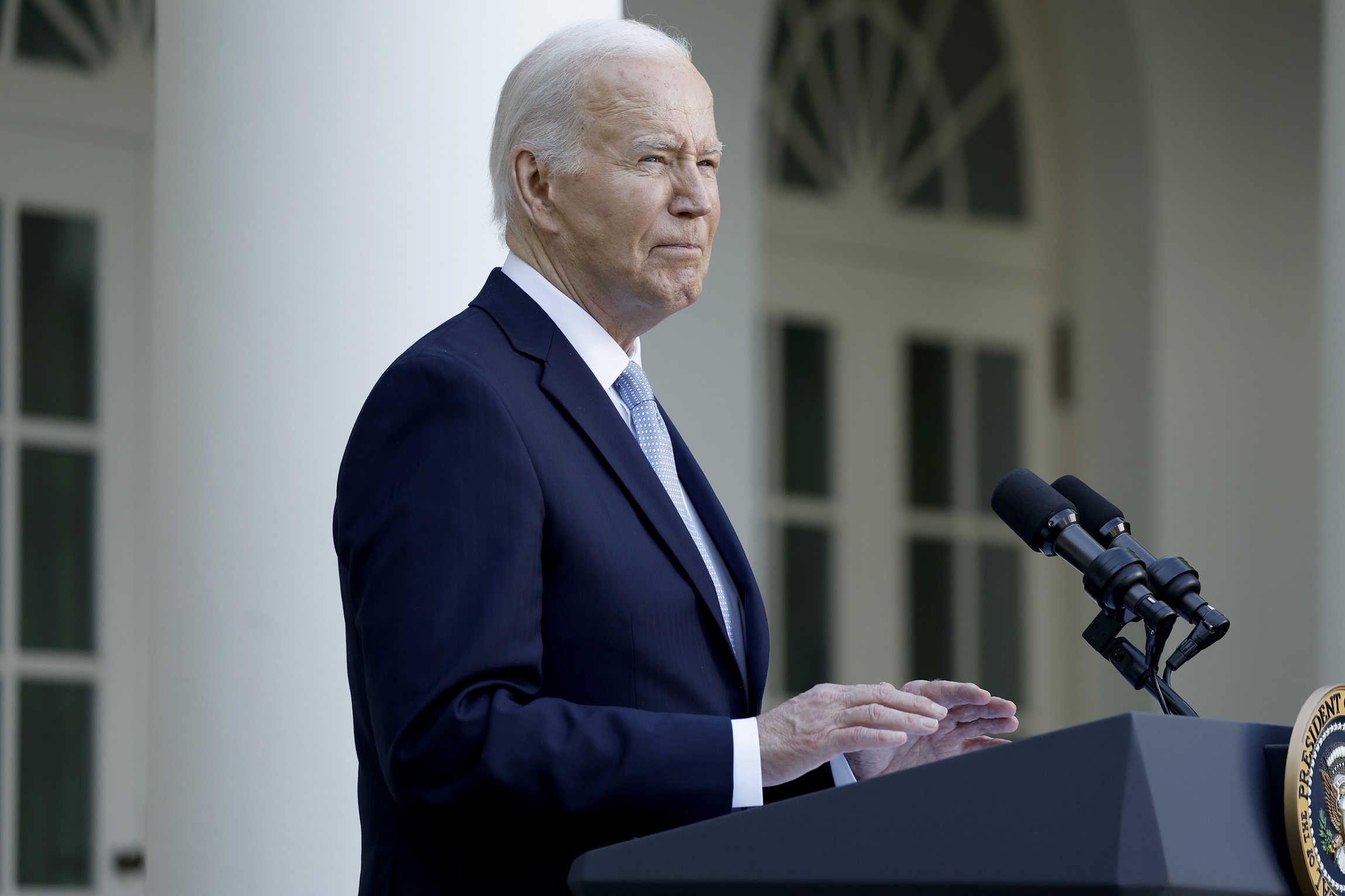
Biden Administration Reportedly Delays Boeing Bomb Shipments to Israel
The Biden administration is reportedly withholding shipments of two types of Boeing-made precision bombs to pressure Israel, following the start of an offensive in Rafah. While the White House has not formally confirmed the delay, the move signals a potential shift in policy regarding the ongoing conflict in Gaza.
Trump Administration Proposes $2.8 Billion Bomb Sale to Israel
The Trump administration is moving to supply Israel with tens of thousands of 2,000-pound bombs, marking a significant escalation in military support. The $2.8 billion package includes 60,000 munitions, including MK-84s and I-2000 penetrator warheads, despite ongoing international scrutiny over the use of such weapons in Gaza and Lebanon.

Biden Administration Authorizes New Billion-Dollar Arms Package for Israel
The Biden administration has quietly approved a massive new shipment of weapons to Israel, including over 1,800 MK84 2,000-pound bombs and 25 F-35A fighter jets. This $2.5 billion package arrives despite mounting international pressure and internal warnings regarding the humanitarian catastrophe unfolding in Gaza.

Lawmakers and Activists Challenge Yosemite Land Swap Proposal
A bipartisan coalition of over 150 members of Congress and a massive alliance of advocacy groups are pressuring the Trump administration to abandon plans to cede a portion of Yosemite National Park to a private real-estate developer, citing concerns over corporate influence and the integrity of public lands.
FBI Raid in Georgia Sparks Fears of 2026 Election Interference
A federal search warrant executed at the Fulton County Election Hub has ignited intense scrutiny over the administration’s strategy for the upcoming 2026 midterms. The raid, which targeted materials from the 2020 presidential election, is being framed by critics as a tactical escalation to challenge state-run election infrastructure.

FBI Agents Seize 2020 Ballots in Georgia Election Warehouse Raid
A heavy federal presence descended on a Fulton County warehouse Wednesday as FBI agents executed a search warrant to seize 2020 election ballots. The site, long a focal point for debunked fraud conspiracies, became the latest battleground in a broader push by the Trump administration to scrutinize local election records.

Kash Patel Faces Backlash Over Election Claims During FBI Oversight Hearing
FBI Director Kash Patel drew sharp rebukes from Democratic lawmakers during a Senate Judiciary Committee oversight hearing on Tuesday, where he repeatedly declined to disavow Donald Trump’s baseless claims regarding the 2020 election results, instead citing ongoing investigations to avoid direct answers.