Cryptocurrency

Delio CEO Sentenced to 15 Years for $49M Crypto Fraud
The Seoul Southern District Court sentenced Delio CEO Jeong Sang-ho to 15 years in prison, finding him guilty of defrauding customers of 70 billion won—approximately $49.2 million. Following the ruling, the judge ordered Jeong into immediate detention, citing a significant risk that the executive might attempt to flee.

Charles Schwab brings Bitcoin and Ether trading to its retail platform
Charles Schwab has integrated direct Bitcoin and Ether trading into its retail brokerage, charging a 0.75% transaction fee. This move incorporates digital assets into a financial ecosystem managing $13.1 trillion in client assets, positioning the firm to capture demand from millions of active brokerage accounts seeking consolidated investment management.

Copper enters US market with SEC-registered broker-dealer status
Copper Markets (US) Inc. has secured registration as an SEC broker-dealer and FINRA member, marking the infrastructure firm’s official expansion into the American institutional market. This regulatory milestone allows the company to provide a suite of services, including qualified custody, staking, and OTC trading, within a domestic securities framework.

SEC Clears Franklin Templeton Funds to Hold Tokenized Assets
The U.S. Securities and Exchange Commission has granted Franklin Templeton a no-action letter, allowing its registered mutual funds and ETFs to invest in the firm’s blockchain-based OnChain U.S. Government Money Fund, known as FOBXX, despite legacy custody rules designed for physical securities.

Hyperliquid Cuts Barrier to Low-Latency Data Access
Hyperliquid has opened its Foundation-operated low-latency data nodes to qualified third-party infrastructure providers, effectively replacing high staking requirements with a standardized monthly fee. Under the new model, firms can access critical market data for under $1,000, creating a more accessible path for developers and smaller trading teams.
Mirae Asset pumps 50 billion won into Digital X following Korbit buyout
Less than a month after finalizing its takeover of the Korbit crypto exchange, Mirae Asset Group is injecting 50 billion won—roughly $35 million—into the operator, Digital X. The move aims to stabilize the firm’s finances following a year marked by significant operating losses and increased market competition.

Zoomsday exploit turns Zoom meetings into zero-click attack vectors
A newly disclosed set of vulnerabilities, dubbed Zoomsday, allows attackers to seize control of a target's device during a Zoom call without requiring any user interaction. By exploiting the platform’s annotation system, hackers can bypass traditional social engineering, posing a severe threat to high-profile cryptocurrency users.

South Korea Overhauls Oversight of Overseas Crypto Transfers
South Korean regulators have finalized a risk-based framework for domestic crypto transfers to overseas platforms and self-hosted wallets, moving away from rigid transaction ceilings. Approved by the Cabinet on August 11, the new rules mandate that virtual asset service providers implement internal monitoring for transfers exceeding 10 million won.

BitGo Revenue Climbs to $4.3 Billion Amid Narrowing Losses
BitGo Holdings reported $4.33 billion in second-quarter revenue, a 79.6% year-over-year increase fueled by digital asset sales and stablecoin expansion. Despite the top-line growth, the company posted a $19 million net loss, reflecting a sharp reversal from the $38.3 million profit recorded during the same period last year.
Securitize Shares Tumble 21% After Triple-Digit Loss in Q2
Securitize Corp. reported a $21.7 million net loss for the second quarter, a sharp decline from the $6.1 million loss recorded during the same period last year. Following the release of its first earnings report as a public company, shares of the tokenization firm fell 21% in after-hours trading.
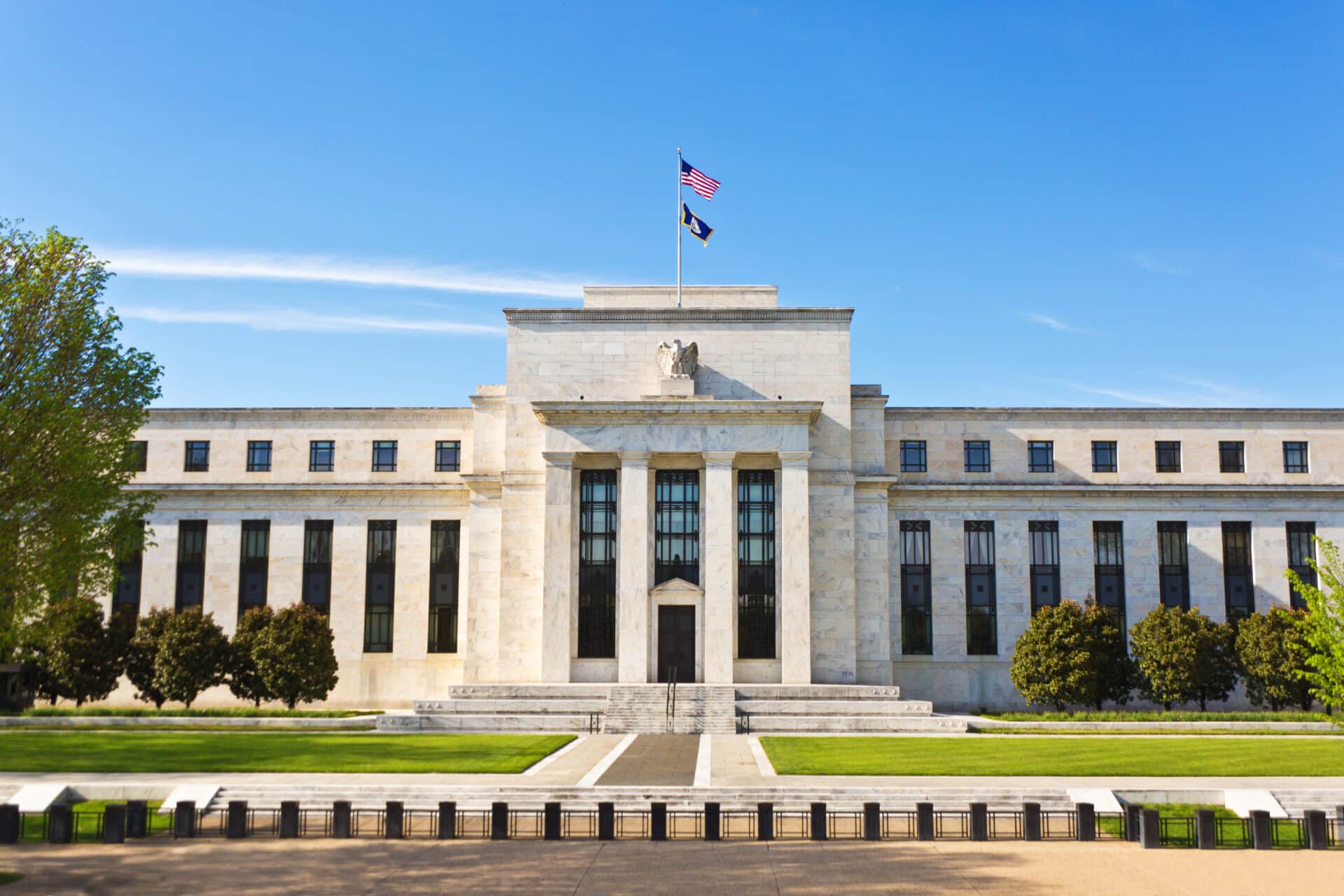
Blockchain Association Joins Custodia Bank’s Supreme Court Battle
The Blockchain Association has formally backed Custodia Bank’s petition to the U.S. Supreme Court, challenging the Federal Reserve’s refusal to grant the crypto-focused institution a master account. The industry group warns that current lower court rulings grant regional Fed banks unchecked authority to exclude lawful businesses from essential financial infrastructure.

Goldman Sachs to Acquire Neos Investments for $2.25 Billion
Goldman Sachs has agreed to purchase Neos Investments in a deal valued at up to $2.25 billion, securing a dominant position in the crypto-linked income ETF market. The acquisition brings over $30 billion in assets under management into the bank’s portfolio, including three prominent Bitcoin and Ethereum options-income funds.

Bitwise CIO bets on token revenue to double crypto valuations
Crypto valuations outside Bitcoin could surge as protocols increasingly tie network fee revenue to their native tokens. Matt Hougan, Chief Investment Officer at Bitwise, argues that a shift toward buyback and burn models—mirroring corporate equity strategies—is poised to reshape market demand over the next 24 months.
Solana Network Stays Online Despite Infrastructure Routing Failure
A malformed routing update from infrastructure provider Teraswitch briefly knocked 102 validators offline on August 12, forcing the Solana network to operate near its critical threshold for transaction finality. While the mainnet continued to produce blocks uninterrupted, the incident revealed persistent vulnerabilities in validator hardware concentration.

ASX Shareholder Seeks Court Greenlight to Sue Former Directors
Rosherville Pty Ltd has formally notified the Australian Securities Exchange of its intent to seek Federal Court permission to pursue legal action against former officers and directors. The move marks a new chapter in the fallout from the exchange's abandoned, multi-million dollar CHESS replacement project.

Metaplanet CEO Denies Sell-Off After $322 Million Bitcoin Transfer
Market speculation surrounding Metaplanet reached a fever pitch this week when trackers flagged the movement of 5,014 BTC, worth roughly $322 million, from company-linked wallets. CEO Simon Gerovich moved quickly to quell fears of a liquidation, confirming the massive transfer was merely a routine internal custody operation.

Arizona Crypto ATM Law Secures $171K Refund for Scam Victims
Thirty-five victims of cryptocurrency kiosk fraud have recovered $171,332 in full, marking the first concrete results of Arizona’s legislative crackdown on ATM-based scams. Since the law took effect in September, the state has positioned itself as a regulatory middle ground between total prohibition and unchecked kiosk expansion.
GSR Overhauls Core3 Model as Solana Allocation Hits 43.6%
A dramatic shift in GSR’s Core3 model portfolio has vaulted Solana to the top position with a 43.6% allocation, signaling a tactical pivot away from Bitcoin and Ether. The adjustment, finalized August 12, marks a sharp reversal from just one week prior when the firm favored a more conservative distribution.

Hawaii to Outlaw Cash Deposits at Crypto Kiosks
Starting October 1, Hawaii will prohibit the use of physical cash to purchase digital assets at cryptocurrency kiosks. The move follows a surge in fraud, with the FBI documenting 92 complaints and $3.85 million in losses among state residents in 2025 as scammers increasingly weaponized these machines to drain victim accounts.
HashKey Tapped to Distribute Anchorpoint’s HKDAP Stablecoin
Anchorpoint Financial has named HashKey Exchange an authorized distributor for its Hong Kong dollar-backed stablecoin, HKDAP, marking a key expansion of the token’s beta rollout. The partnership allows eligible institutions and professional investors to mint, redeem, and convert fiat currency through HashKey’s regulated platform infrastructure.
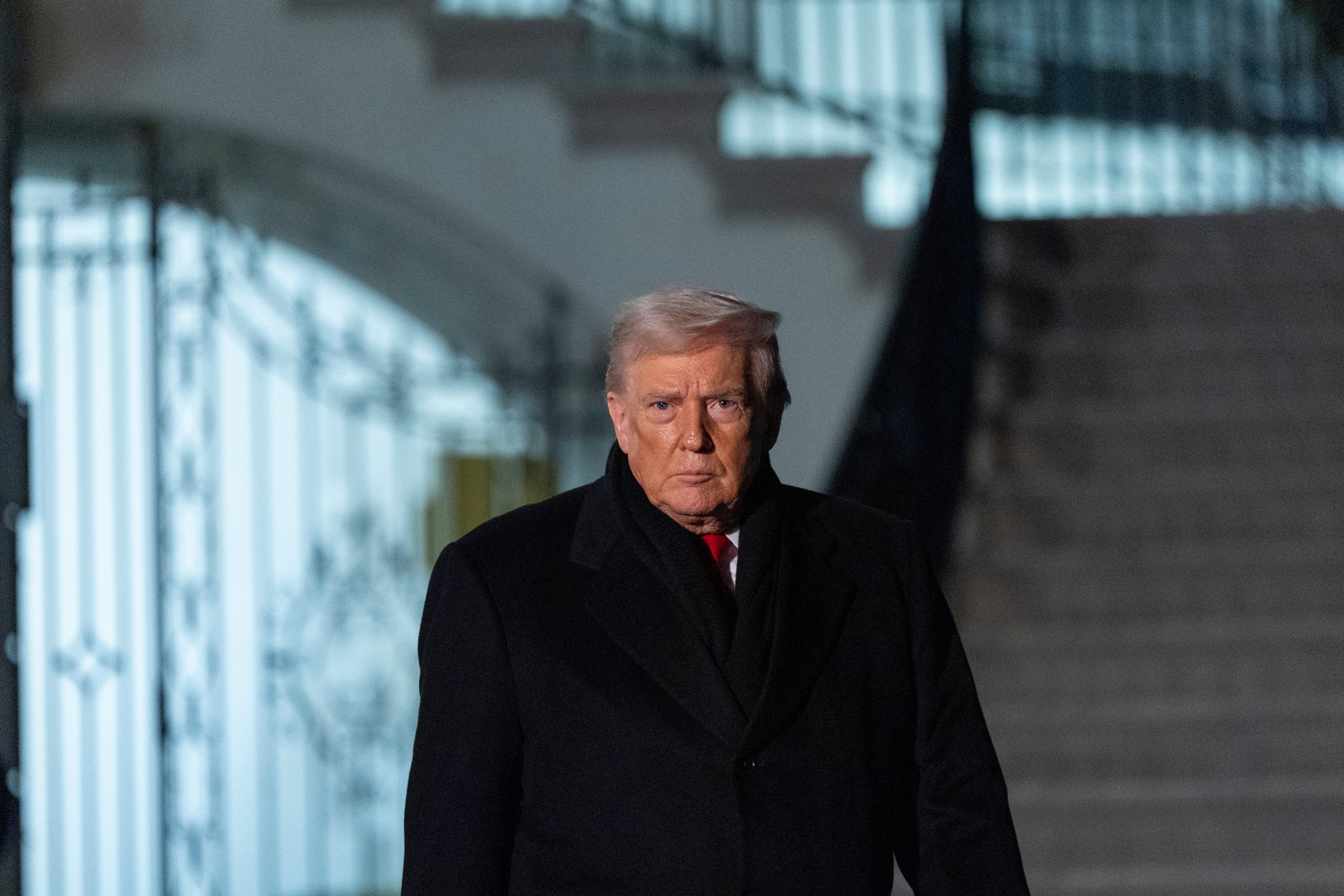
Lawsuit Challenges Truth Social’s $100,000 Premium Data Feed
The Intercept and the Freedom of the Press Foundation have filed a federal lawsuit against Donald Trump, alleging that his decision to sell early access to presidential announcements via Truth Social creates an unconstitutional barrier to public information while favoring high-frequency trading firms with millisecond advantages.

Most US Prediction Market Users Report Financial Losses
A recent survey of 1,000 U.S. adults reveals that 79% of prediction-market participants lost money over the past year. Even more concerning, over half of these users turned to borrowed funds to place their bets, a practice that significantly correlated with higher rates of financial failure among retail traders.

US and UK Align Crypto Strategy Without Direct Rule Changes
The United States and the United Kingdom have unveiled ten recommendations for digital assets and cross-border finance, signaling a coordinated approach to stablecoins and tokenized securities. While the Transatlantic Taskforce for Markets of the Future sets a clear agenda, the proposals stop short of creating legally enforceable, binding regulations.
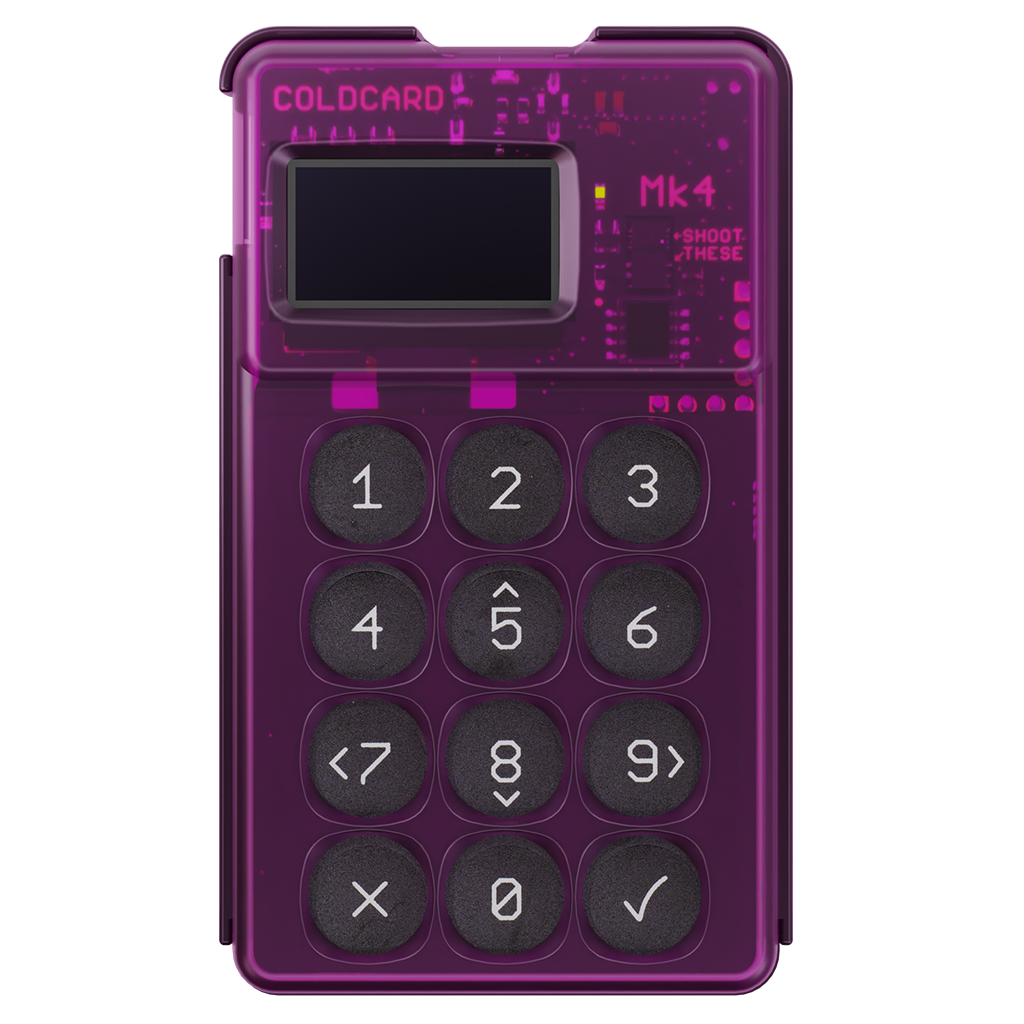
Coldcard flaw exposes $116 million in Bitcoin to systemic theft
A critical firmware error in Coldcard hardware wallets has left approximately 1,816 Bitcoin, valued at $116 million, vulnerable to exploitation. The flaw, which persisted for over five years, reduced the entropy of generated seed phrases, allowing attackers to reconstruct private keys without needing physical access to the affected devices.

Kalshi Integrates Live Order Book Data Into DoubleZero Edge Network
Prediction market Kalshi has begun streaming real-time Level 1 and Level 2 order book data through the DoubleZero Edge fiber network. The integration provides quantitative firms with direct, sequenced access to liquidity depth for sports contracts and crypto perpetual futures, bypassing the need for manual API reconstruction.

BitMart Reserve Transparency Concerns Mount Amid Shutdown
As BitMart moves toward a full platform closure in 2027, the exchange’s failure to produce independently verified proof-of-reserves has triggered alarm among users and industry experts. Recent reports of delayed withdrawals from multiple crypto projects highlight a deepening trust gap between internal platform assurances and verifiable financial reality.

Nansen CEO Forecasts $1 Million Bitcoin by 2030
Nansen co-founder Alex Svanevik projects Bitcoin could reach $1 million by 2030, citing persistent global currency debasement and central bank policies as the primary drivers. While acknowledging the volatility inherent in crypto markets, he argues that Bitcoin’s fixed supply makes it a necessary hedge against expanding money supplies.
Ripple Backs fixCleanup3_3_0 as XRPL Validator Voting Begins
Ripple has formally signaled support for the fixCleanup3_3_0 amendment, contributing to an early count of eight votes out of the 35 required for XRP Ledger activation. The proposal bundles technical corrections for automated market makers, lending protocols, and vault systems, though it remains well below the 80% supermajority threshold.

Norway’s Wealth Fund Hits Record $184B Profit, Reveals SpaceX Stake
Norway’s sovereign wealth fund, the Government Pension Fund Global, surged to a record 1.75 trillion kroner—roughly $184.3 billion—in the first half of 2026. The performance was anchored by a 9.4% investment return, bolstered by a fresh disclosure of a $1.22 billion stake in Elon Musk’s aerospace giant, SpaceX.

XRP ETF Inflows Stagnate as Investors Pivot to Alternative Yields
Seven U.S. spot XRP ETFs have accumulated 992.5 million tokens since August 2026, drawing over $1.5 billion in capital. Despite this institutional interest, the price of XRP remains trapped between $1.01 and $1.12, prompting investors to look beyond simple market appreciation for consistent returns.