Cryptocurrency

Hyperliquid Adds Trailing Stop Orders to Perpetual Markets
Hyperliquid has integrated trailing stop orders across its perpetual futures platform, providing traders an automated mechanism to lock in gains or limit losses as market conditions evolve. The new tool adjusts trigger prices dynamically, allowing orders to track favorable price movements before executing a market order upon a specified retracement.

Eugene Investment Pilots Stablecoin Settlement for Tokenized Assets
Eugene Investment & Securities has partnered with blockchain developer BEATOZ to test stablecoin integration for tokenized securities subscriptions. The proof of concept aims to move payment and settlement processes onto a single blockchain-based flow, eliminating the current reliance on traditional bank accounts for the financial leg of transactions.

SecondFi Warns Compromised Wallet Holders Against Claiming NIGHT Tokens
Security concerns have forced SecondFi to issue a stern warning: users with compromised wallets should avoid claiming upcoming NIGHT token allocations. Because the Midnight Foundation’s redemption system mandates claims occur through original, affected addresses, any attempt to move the tokens risks immediate theft by the attackers who hold the compromised keys.
Stripe Integrates Samsung Pay into Android Crypto Onramp
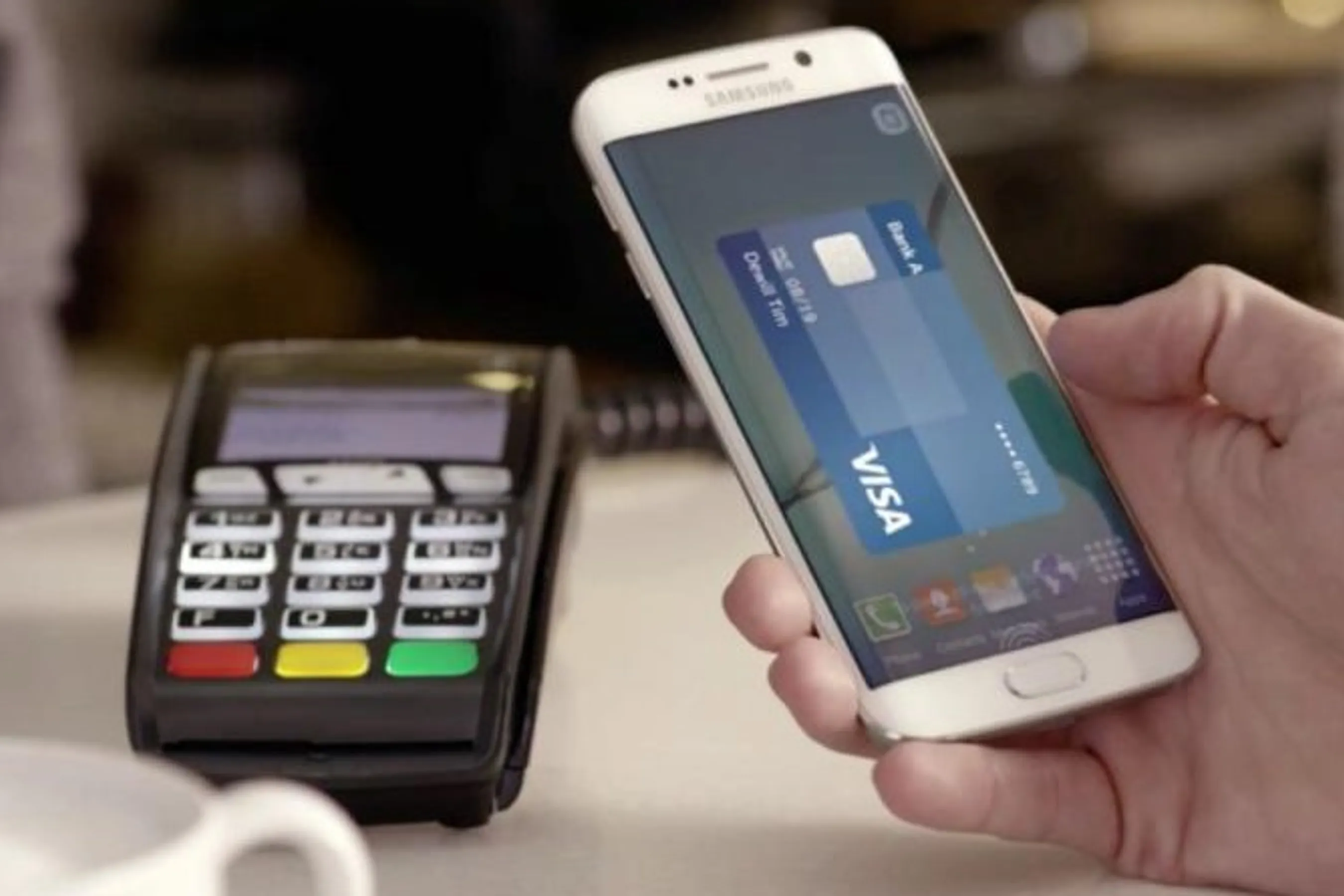
Stripe has expanded its Crypto Onramp tools for React Native, allowing Android developers to integrate Samsung Pay directly into their applications. The feature, which enables users to purchase digital assets with fiat currency, was quietly rolled out in version 0.75.0 of the company's software development kit back in August.

Binance Wallet Opens $4.8M Subscription for pPOLY Token
PancakeSwap has launched its inaugural Pre-Access campaign, offering users a chance to acquire pPOLY tokens issued by Paimon Finance. The event, accessible through Binance’s Keyless Wallet, seeks to raise $4.8 million, providing participants with synthetic exposure to private-market assets ahead of a potential public listing.
SparkLabs and Mirae Asset launch Central Asia venture fund
SparkLabs Group and Mirae Asset Venture Investment have signed a term sheet to launch the SparkLabs Mirae Silk Road Fund I LP, targeting Series A startups across Central Asia. With anchor backing from Kazakhstan’s QIC and Uzbekistan’s IT Park Ventures, the fund aims to scale AI-native companies for global expansion.

Evernorth Secures $30M Debt Deal Pending Nasdaq Merger
Evernorth Holdings has entered a $30 million convertible note agreement, a strategic move contingent on the successful completion of its business combination with Armada Acquisition Corp. II. The funding, supported by NH Investment & Securities, is earmarked for corporate growth and potential expansion of the firm’s substantial XRP treasury.

Upbit Places MultiversX Under Review Following Mainnet Exploit
South Korean exchange Upbit has flagged EGLD for trading caution after a virtual machine exploit forced the MultiversX network to halt block production on September 19. The move, which triggers a formal review period through late October, follows widespread suspension of deposits and withdrawals across multiple global trading platforms.
Hyperliquid Tops 2026 Crypto Revenue Rankings with $429 Million
Hyperliquid has secured the top spot in CoinGecko’s 2026 revenue rankings for crypto-native protocols, generating $429.04 million between January 1 and September 15. The perpetual futures platform outperformed its closest competitor, Pump.fun, by more than $106 million, capturing over 12% of the total revenue pool analyzed in the study.

Bank of Korea Launches 24-Hour Won Settlement Pilot
The Bank of Korea has initiated a 24-hour won settlement network pilot, allowing foreign investors to bypass traditional Korean banking hours. By enabling transactions through registered offshore institutions, the central bank aims to reduce dependency on local operating windows and boost the currency’s international standing.

Russian Central Bank caps bank exposure to crypto at 1% of capital
The Bank of Russia has unveiled draft regulations imposing a strict 1% ceiling on the total risk exposure banks can hold in cryptocurrencies and foreign digital assets. This move aims to insulate the traditional banking sector from the volatility and liquidity risks inherent in the newly legalized digital asset market.

Vietnam Targets 2026 for First Licensed Crypto Exchanges
Vietnam expects to grant its first official crypto asset service licenses by 2026, marking a pivotal step in a five-year pilot program. As regulators finalize supervision protocols, the country is actively seeking expertise from Austrian and European Union authorities to bolster risk management and anti-money laundering controls.

Binance warns of FomoPeek malware targeting iPhone crypto wallets
Binance has issued an urgent security warning to iPhone and iPad users regarding the FomoPeek application, specifically versions 1.1 and 1.2. Security researchers discovered that these updates contain malicious code capable of bypassing iOS sandbox protections to harvest private keys, seed phrases, and sensitive credentials stored across the device.

Saudi Arabia Exits China-Led mBridge Digital Currency Project
Saudi Arabia has formally withdrawn from the mBridge digital currency platform, concluding its participation shortly after finalizing a proof-of-concept trial in May 2025. The move distances the kingdom from a high-profile, China-backed initiative designed to facilitate cross-border settlements outside traditional, dollar-dependent banking networks.

Shibarium Resolves Reorg as Infrastructure Migration Continues
Shibarium has corrected a reported blockchain reorganization as of September 19, though the network remains in a state of technical transition. While developers confirmed the fix, infrastructure providers like dRPC are still navigating the migration process, leaving validator staking and block explorer indexing as ongoing recovery tasks.

Michael Saylor Pivots to User Growth After CLARITY Act Stalls
Following the Senate’s narrow failure to advance the CLARITY Act on September 15, Michael Saylor has called on the crypto industry to abandon immediate legislative lobbying. Instead, he advocates for an aggressive expansion of the U.S. user base to 50 million, aiming to build a political constituency capable of securing future regulatory victories.

Hana Bank Executes South Korea's First Euroclear Blockchain Bond
Hana Bank has completed a $100 million digital bond issuance via Euroclear’s D-FMI platform, achieving a T+0 settlement cycle. This transaction marks the first time a South Korean institution has utilized the proprietary blockchain infrastructure to bypass the traditional three-to-five-day processing window for foreign-currency debt.

X Sues Alleged Bitcoin Influencer Ring Over Revenue Fraud
X has launched legal action in the High Court of England and Wales against two individuals and several unidentified operators, accusing them of orchestrating a coordinated scheme to manipulate platform engagement and siphon at least £207,384 from its now-retired Creator Revenue Sharing program.
Kalshi Faces Wash-Trading Scrutiny Over Crypto Perpetual Volume
A high-profile dispute has emerged over Kalshi’s cryptocurrency perpetual futures, as a trader known as Beni alleged that reported volume figures are inflated through wash trading. The accusations center on a massive discrepancy between trading turnover and open interest, sparking a heated debate over the exchange’s incentive programs.

Hayden Adams Claims Sam Bankman-Fried Bought Uniswap.com to Provoke Him
Sam Bankman-Fried allegedly paid seven figures to acquire the domain Uniswap.com, a move Uniswap founder Hayden Adams claims was intended as a calculated provocation. While the domain was eventually seized by Uniswap Labs through a legal victory, the transaction remains a footnote to the platform's early competitive skirmishes.
Apple and Google expand digital-asset teams amid payment infrastructure push
Apple and Google have launched recruitment drives for senior roles specialized in stablecoin, blockchain, and tokenized finance, signaling a deepening interest in digital-asset infrastructure. While both tech giants are actively staffing up for these domains, neither has signaled plans to launch their own consumer-facing stablecoin or proprietary digital currency.

REX Shares Launches 2x Leveraged ETF Tied to Strive Stock
Traders gained a new tool for speculative bets on Strive Inc. this week, as REX Shares and Tuttle Capital Management debuted the T-REX 2X Long ASST Daily Target ETF on the Cboe. The fund, ticker ASSX, aims to deliver double the daily performance of Strive’s Nasdaq-listed shares, excluding fees and expenses.

MemeToro Enters Stage 7 With AI-Focused Infrastructure Ambitions
With over $139,000 raised, the BNB Chain project MemeToro has advanced to the seventh stage of its presale, pricing its $MT token at $0.00430. The project distinguishes its offering by pairing speculative tokenomics with a public repository of Solidity code intended to support an AI-driven fair-launch ecosystem.

MemeToro Opens Source Code as AI-Led Launchpad Nears Mainnet
With $139,000 already raised in its Stage 7 presale, MemeToro has published 1,373 lines of Solidity code to its repository. The BNB Chain project aims to replace memecoin hype with an AI-driven platform that mandates fair-launch rules, forcing developers to bake token logic into immutable smart contracts.
BlackRock sees Bitcoin maturing into institutional collateral
Bitcoin volatility has compressed from 80 to a 35–40 range, marking a shift in how major holders treat the asset. According to Jay Jacobs, BlackRock’s U.S. Head of Equity ETFs, the rise of exchange-traded products is transforming Bitcoin from a speculative vehicle into a cornerstone of institutional collateral and lending strategies.

Strategy Leads Nasdaq-100 With 47% Monthly Surge
Strategy shares vaulted to the top of the Nasdaq-100 index with a 47.65% gain over the month ending September 18, fueled by a sharp recovery in Bitcoin prices and intense trading volume. The company’s stock climbed 16.39% in a single session as the cryptocurrency reclaimed the $80,000 threshold.

French family held hostage in crypto-linked home invasion
Four unidentified assailants remain at large after storming a home in Vendin-le-Vieil, where they held a cryptocurrency worker and his two young children captive for over three hours. The attackers forced the father to surrender access codes, resulting in the theft of approximately €40,000 in digital assets.
SEC Opens Path for Onchain Stock Trading via New Innovation Exemption
The Securities and Exchange Commission has unveiled a five-year framework allowing tokenized U.S. stocks to trade on permissioned automated market makers. This regulatory shift creates a pathway for onchain equity trading, provided the tokens grant holders full shareholder rights, including voting capabilities, dividends, and liquidation claims.

Toyosa Adds Bitcoin to Payment Options for Toyota Vehicles in Bolivia
Toyosa has officially expanded its vehicle payment system to include Bitcoin, allowing customers in Bolivia to purchase cars using the cryptocurrency. The move, announced at the Expocruz 2026 trade fair in Santa Cruz, builds on a digital-asset checkout service that previously offered only bolivianos, U.S. dollars, and Tether’s USDT.

ZetaChain Moves Toward Solana Migration Following Governance Vote
ZetaChain is nearing a major structural shift as 99.4% of voters supported Proposal 68, a mandate to migrate the ZETA token to Solana and eventually decommission the project's native Layer 1 blockchain. The vote surpassed the 40% quorum requirement, signaling strong community alignment ahead of the September 20 deadline.