Cryptocurrency

Bitcoin and Ethereum Eye Geopolitical Shifts in Strait of Hormuz
Renewed negotiations between the United States and Iran have sparked fresh market optimism, as a proposed seven-day plan to reopen the critical Strait of Hormuz offers a potential reprieve from the energy-driven inflation and rising Treasury yields that have recently pressured risk assets like Bitcoin and Ethereum.

Magic Eden Faces Security Scare as Thousands of NFTs Move for Zero ETH
Thousands of NFTs vanished from user wallets in a flurry of zero-value transactions, triggering an urgent security warning across the Magic Eden marketplace. While panic spread over a potential contract exploit, a pseudonymous developer stepped forward to claim the activity was actually a coordinated whitehat rescue operation.

Crypto markets face dual pressure from rising bond yields and policy gridlock
The U.S. 10-year Treasury yield surged to 5.2% on September 24, forcing a sharp reassessment of Bitcoin’s recent rally. As oil prices climb and Federal Reserve officials signal further potential interest rate hikes, the digital asset market finds itself caught between resilient ETF demand and a stalled legislative agenda in Washington.

Binance records largest Bitcoin outflow in three years
Investors pulled more than 13,800 BTC from Binance in a single day, marking the exchange's most significant net outflow since 2023. This movement coincides with Bitcoin sustaining a price above $84,000, following a robust 45% rally from its July lows that successfully breached key technical resistance levels.

Hyperliquid Strategies Boosts HYPE Holdings Amid Whale Liquidity Moves
Hyperliquid Strategies has acquired another 494,200 HYPE tokens valued at $45.8 million, aggressively expanding its treasury even as large holders move significant amounts of the asset toward potential sale, weighing on the token’s recent record highs.

Tether limits EQIBank exposure to 0.034% amid U.S. forfeiture case
Tether has confirmed it maintains accounts at EQIBank, though the stablecoin issuer insists its exposure to the offshore banking partner remains negligible. The disclosure follows a U.S. government seizure of roughly $84.2 million in assets linked to a payment provider used by the bank, casting uncertainty over the institution’s solvency.

KelpDAO Sues LayerZero Over $292 Million rsETH Bridge Exploit
KelpDAO has launched a lawsuit in British Columbia against LayerZero and co-founder Bryan Pellegrino, seeking to hold the cross-chain infrastructure provider accountable for a massive April exploit. The legal action follows months of public disagreement regarding which party’s security configuration allowed attackers to drain 116,500 rsETH from the protocol.
Researchers propose ZK-proof privacy for Bitcoin without soft forks
Researchers at Alloc Init have unveiled a design for private Bitcoin transfers that avoids the need for consensus-level changes. By leveraging zero-knowledge proofs as a metaprotocol, the system aims to obscure transaction details while relying on the Bitcoin blockchain solely as a neutral layer for data ordering and publication.

Block Integrates Bitcoin Lightning into x402 Payment Standard
Jack Dorsey’s Block has joined the Linux Foundation-governed x402 Foundation, officially integrating Bitcoin Lightning support into the open payment protocol. The move aims to facilitate autonomous commerce by enabling AI agents and web applications to execute low-cost, high-volume transactions directly through standard HTTP requests.

Ondo Finance Denies Sale Reports Amid Ongoing Succession Battle
Ondo Finance has formally rejected allegations that the firm was shopped to potential buyers following the sudden death of founder Nathan Allman in May. While anonymous reports suggested an active search for a buyer, company representatives insist no such outreach has been authorized or initiated during the current leadership dispute.

SEC Commissioner Peirce Proposes Zero-Knowledge Proofs for KYC
SEC Commissioner Hester Peirce has urged financial regulators to pivot away from massive data collection, advocating for the adoption of zero-knowledge proofs to streamline compliance. Speaking at SIFMA’s 2026 Digital Assets Conference, she argued that current identity verification requirements are turning financial infrastructure into a vulnerable surveillance panopticon.

Brazil mandates reporting for $10,000 self-custody crypto transfers
Starting October 1, 2026, the Central Bank of Brazil will require financial institutions to report all virtual asset transfers of at least $10,000 involving self-custody wallets. This mandate, established under Resolution 588, integrates these transactions into the country’s existing anti-money-laundering and counter-terrorist-financing reporting framework.
Bitget Investigates $351M Breach as Withdrawals Remain Suspended
Bitget is scrambling to recover from a massive security breach after unauthorized actors siphoned approximately $351.6 million from the exchange’s hot and warm wallets on September 24, 2026. While the platform has paused all customer withdrawals, CEO Gracy Chen confirmed that private keys remain secure following the backend system compromise.
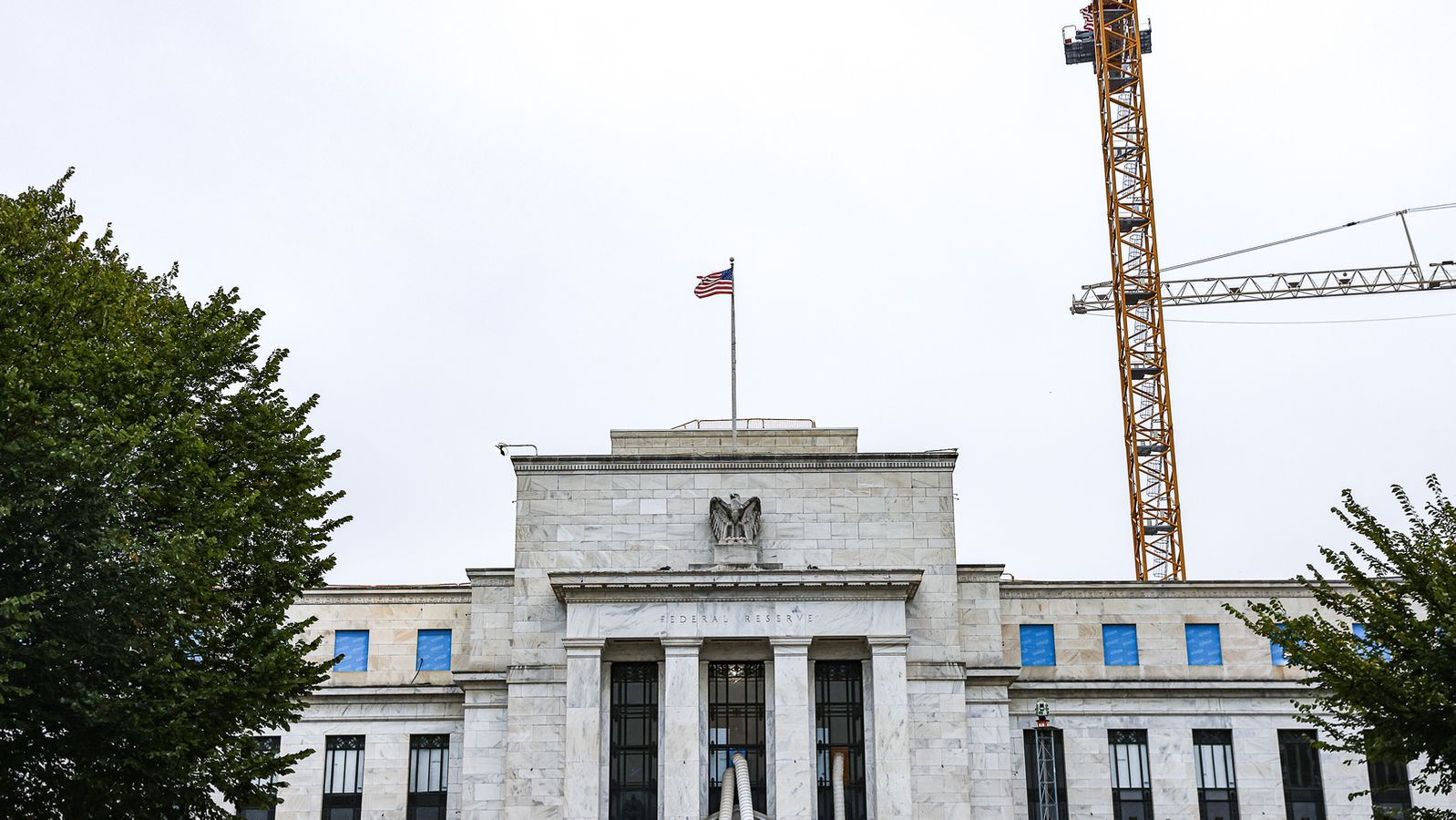
Fed Unveils Regulatory Framework for Stablecoin Issuers
The Federal Reserve has introduced two proposed rules under the GENIUS Act, targeting the reserve requirements for payment stablecoin issuers and the formal approval process for state member banks seeking to launch stablecoin subsidiaries. The move marks a shift toward standardized oversight for digital asset operations within the traditional banking sector.

Payward Integrates xStocks Into Ledger Hardware Wallets
Payward is bringing its xStocks tokenized equity platform to Ledger hardware wallets, enabling users to manage tokenized shares alongside traditional crypto assets. The partnership aims to merge self-custody security with exchange-grade trading, though the service remains strictly off-limits to investors in the United States.
Strive Estimates $86 Million in New Capital for Bitcoin Purchases
Strive has generated an estimated $85.88 million through the sale of SATA preferred stock between September 21 and September 23. This capital influx, tracked via market data, suggests potential buying power for roughly 1,002 Bitcoin, though the company has yet to confirm specific acquisitions for this period.

Tim Ryan sees legislative path for CLARITY Act in lame-duck session
Former Democratic congressman Tim Ryan believes the stalled Digital Asset Market CLARITY Act could still secure passage this year. Despite the Senate’s failure to reach the 60-vote threshold on September 15, Ryan argues that bipartisan consensus remains achievable if lawmakers resolve specific disputes over ethics, consumer protections, and stablecoin rewards.
Bitcoin’s $85K rally tests the limits of ETF-driven demand
Bitcoin’s climb toward $85,000 has been fueled by over $1.7 billion in U.S. spot ETF inflows, yet the rally now faces a critical inflection point as leveraged futures positions pile onto the market. Analysts are closely watching whether genuine cash buying can sustain prices through the $90,000 threshold.

Paxos Labs Launches PAXGy to Enable Gold Leasing Returns
Paxos Labs has introduced PAXGy, a new token built on its existing PAX Gold offering that allows investors to earn returns on bullion reserves. By deploying these reserves to institutional borrowers, the company aims to provide smaller holders access to traditional gold leasing economics, previously reserved for large-scale banking and industry participants.

New York Targets Polymarket in Crackdown on Unlicensed Betting
New York Attorney General Letitia James has launched a legal offensive against Polymarket, alleging the platform operates as an illegal gambling hub by offering sports-based contracts without state authorization. The lawsuit claims the company ignores critical safeguards, including the state’s 21-year-old minimum age requirement for sports betting participants.

ARK Invest Moves Venture Fund Onchain via Ethereum
ARK Invest has tokenized its ARK Venture Fund through Securitize, offering eligible investors a blockchain-based pathway to hold interests in a portfolio featuring OpenAI and Anthropic. The move, facilitated by Ethereum, marks a shift in how capital markets manage private and public tech exposure through regulated, onchain share classes.

Ondo Finance debuts BlackRock-backed onchain portfolio tokens
Ondo Finance has introduced three new portfolio tokens, providing non-U.S. investors with streamlined access to investment strategies engineered by BlackRock. By consolidating diversified baskets of assets into a single token, the platform aims to bridge traditional financial models with decentralized infrastructure.

Solana Foundation Targets Institutional Growth With New Executive Hires
The Solana Foundation is doubling down on institutional finance and payment infrastructure, appointing former Binance executive Rachel Conlan as chief strategy officer and Polygon Labs veteran Jamal Raees as general manager of payments to scale the network’s ecosystem after it processed over $5 trillion in stablecoin volume this year.

DoubleZero Expands Edge Network With Hyperliquid Order Book Feeds
DoubleZero has launched five dedicated data feeds for Hyperliquid, providing trading firms and market makers with direct, sequenced access to order book and trade[XYZ] market activity. The service, which runs over a private fiber network, aims to eliminate the latency hurdles associated with rebuilding order books from public API endpoints.

CertiK joins Linux Foundation to harden decentralized infrastructure
Blockchain security firm CertiK has joined LF Decentralized Trust, a Linux Foundation initiative, to integrate formal verification and audit expertise directly into open-source enterprise projects. The move aligns with a tightening global regulatory landscape that now mandates rigorous security and compliance standards for digital asset systems.

Crypto Treasury Stocks Struggle to Outperform Underlying Assets
Only four of the 20 largest publicly traded crypto treasury companies currently trade at a premium to their token reserves, according to a DWF Ventures analysis. Most firms consistently trail the performance of the digital assets they hold, forcing investors to look beyond simple asset counts to determine true value.

EU Regulators Weigh New Oversight for DeFi Lending Protocols
The European Banking Authority has proposed expanding the bloc’s Markets in Crypto Assets framework to cover decentralized finance lending, citing an urgent need to regulate how centralized firms provide users with access to automated protocols and the growing risks associated with crypto-backed borrowing services across 16 member states.

Mint Connects Web3 Gaming Economy Ahead of MNTD Token Launch
Mint.io has unified its player economy across its web platform and Telegram Mini App, integrating XP, leaderboards, and rewards into a single progression layer. This infrastructure prepares the ecosystem for the upcoming MNTD token, which will reward users based on pre-launch activity and ongoing platform engagement.

MeshWallet Secures $10M to Eliminate Gas Fees for TRON USDT Transfers
Tallinn-based MeshWallet has raised $10 million in a private funding round to scale its gasless USDT wallet. By removing the requirement for users to hold TRX to cover network fees, the company aims to simplify stablecoin payments for both retail users and businesses operating on the TRON blockchain.

Hashgraph Group brings IDTrust identity platform to IBM Cloud Catalog
The Hashgraph Group has listed its Hedera-based IDTrust platform on the IBM Cloud Catalog, providing enterprise customers with a mechanism to issue verifiable credentials for autonomous AI agents. The move marks a deepening of ties between the two entities, building on IBM’s long-standing role within the Hedera Governing Council.