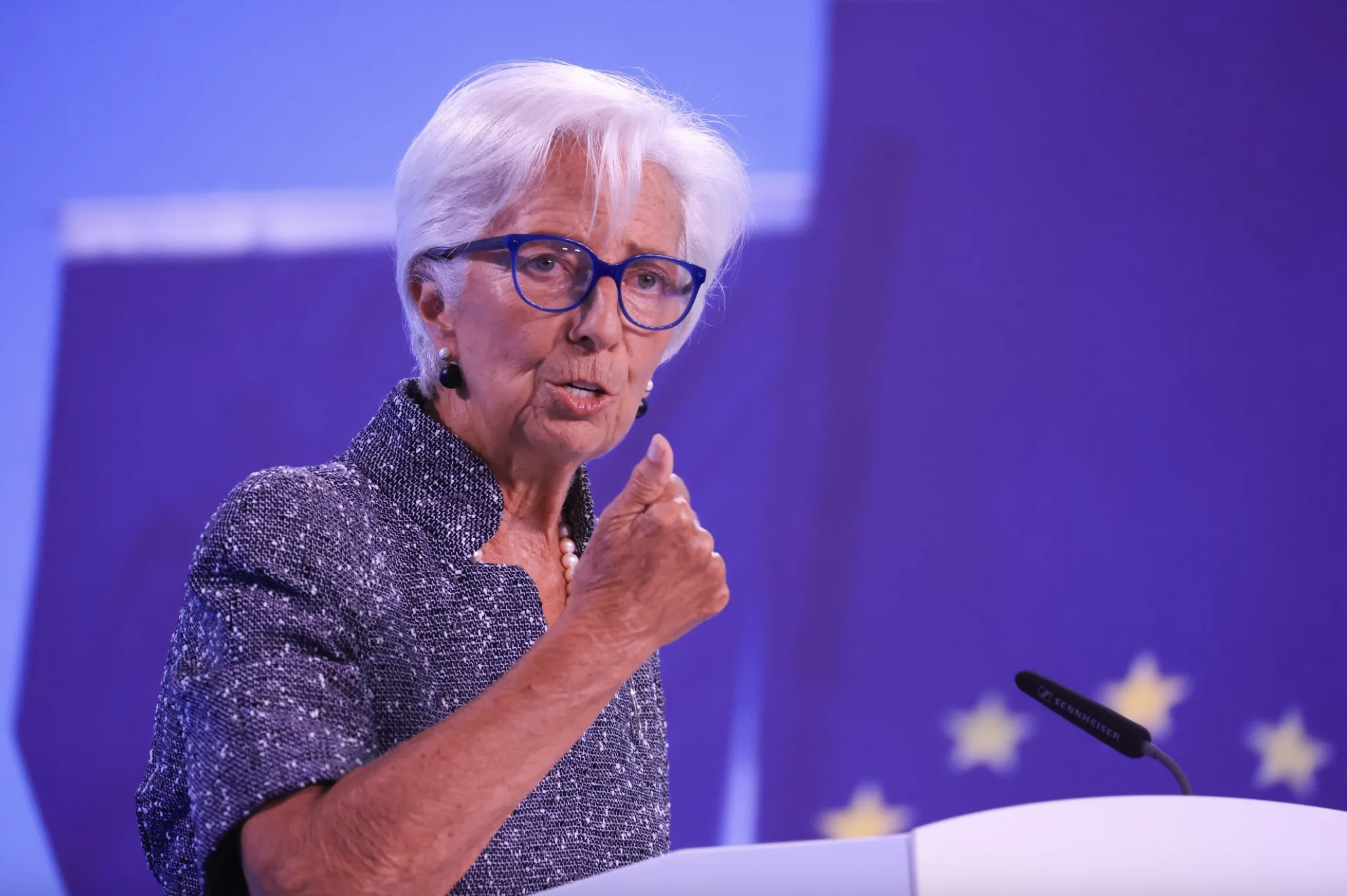
The unanimous decision to raise rates reflects the bank's core mandate to combat rising inflation, which is now projected to hit 3 percent year-on-year. Despite lowering GDP growth forecasts, the ECB remains committed to a tightening cycle, citing the persistent impact of the Iran conflict on energy costs and real incomes. The move has triggered a sharp debate among wealth managers regarding the intensity of future policy adjustments.
Market experts remain divided on the path forward. Some analysts, including those at Julius Baer, anticipate an additional 25 basis point hike in July, followed by a pause as energy prices stabilize. Conversely, firms like Aberdeen Investments interpret the bank's communication as more cautious, favoring a one-and-done approach. Meanwhile, PIMCO and UBS emphasize that the current economic backdrop—marked by soft first-quarter GDP and contractionary PMI data—argues against an aggressive, prolonged hiking campaign. Investors are now shifting focus toward earnings growth in AI and electrification sectors to hedge against the ongoing interest rate volatility.
Comments (0)
No comments yet. Be the first!