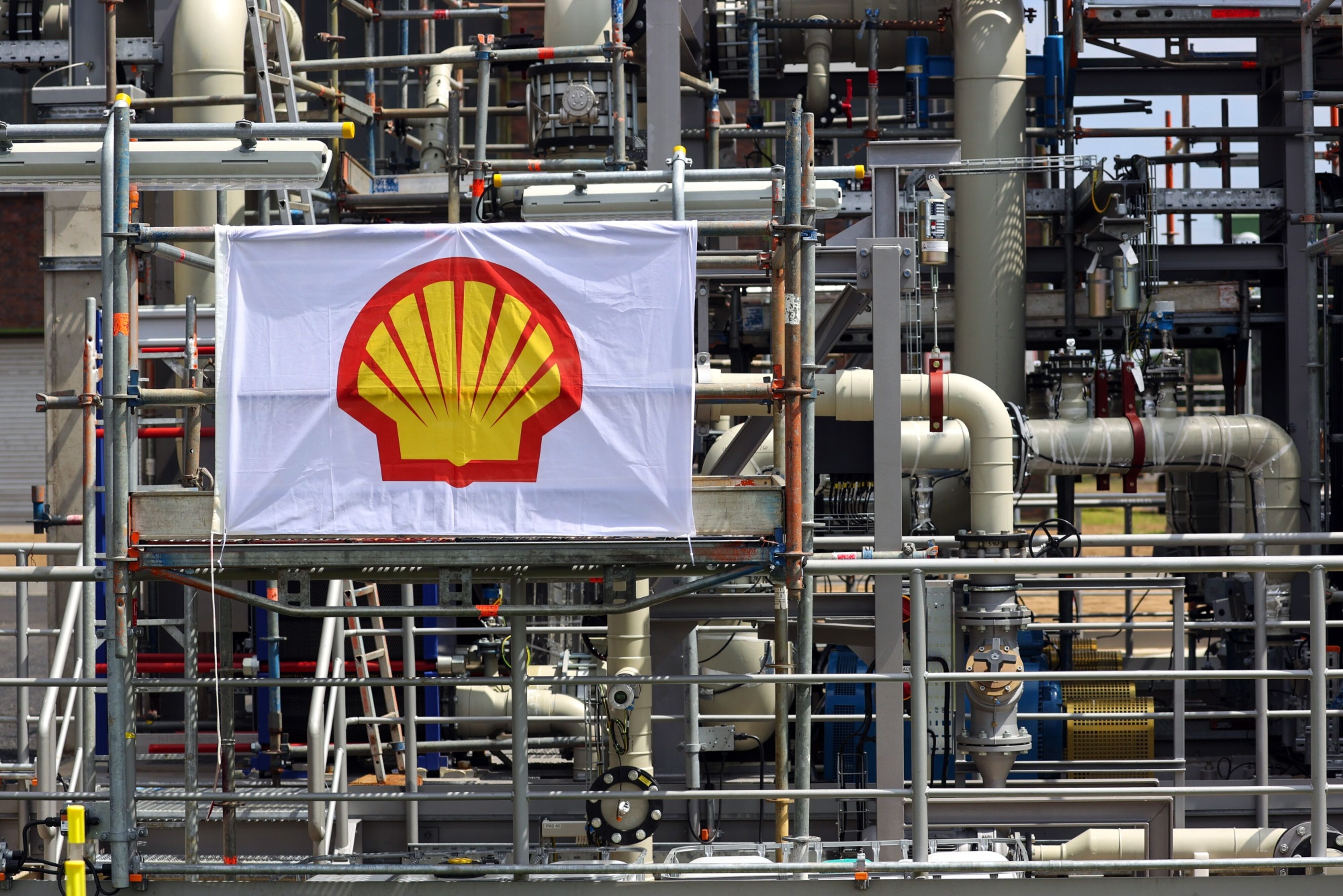
The company currently monitors over 30,000 pieces of equipment using the C3 AI Reliability Suite. While previous iterations relied on machine learning to signal potential failures, the new agentic layer shifts the burden of investigation from human engineers to the software itself. Once an alert triggers, these agents independently synthesize maintenance history, environmental conditions, and upstream process variables to diagnose issues and draft specific work orders.
This transition addresses the persistent "last mile" challenge in industrial predictive maintenance, where the gap between identifying a risk and executing a repair often results in costly delays. By connecting directly to platforms like SAP, agents can verify part availability and initiate procurement workflows without manual intervention. Shell operators retain the authority to approve or override these automated plans, a safeguard that will gradually diminish as the system matures and earns trust through performance. Beyond operational efficiency, the company expects the shift to minimize unplanned downtime and extend the lifespan of critical infrastructure like turbines and compressors by ensuring repairs only occur when equipment health actually demands it.
Comments (0)
No comments yet. Be the first!